


CNC Milling Services for Custom Prototype and Production Parts

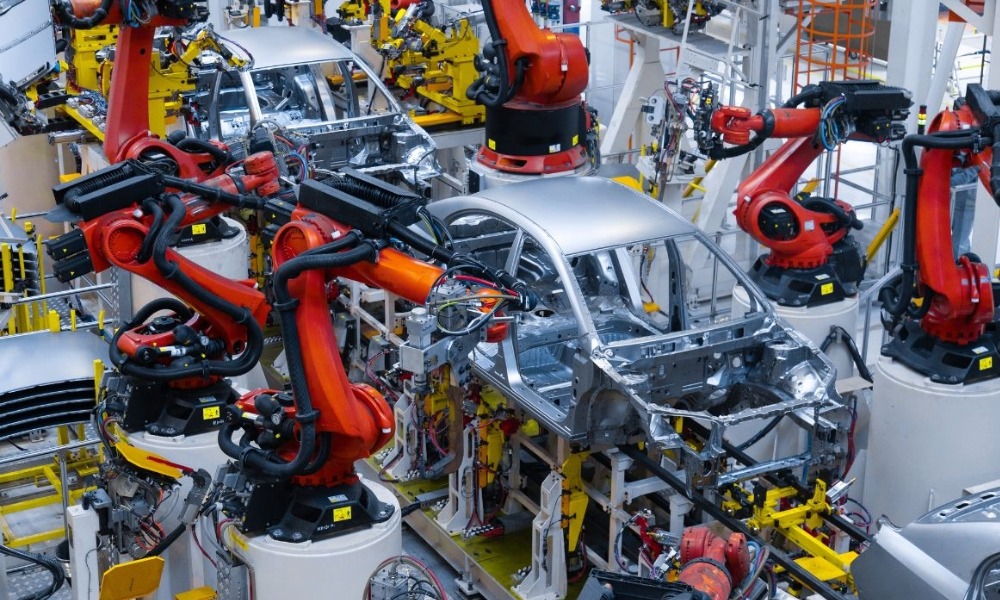
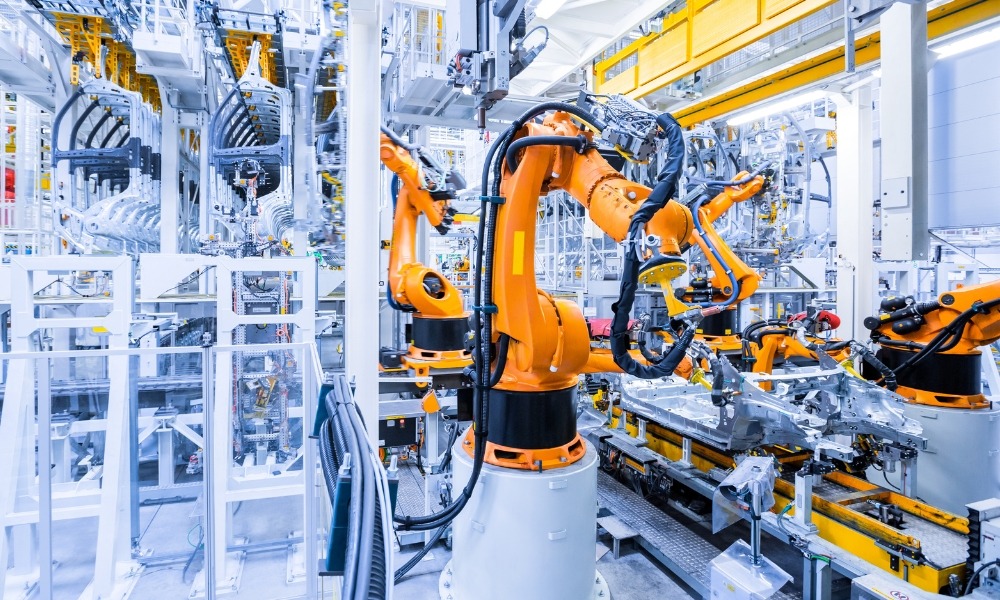
Top Proto delivers CNC milling services for engineering and product development teams that need custom milled components with accurate geometry, consistent surface quality, and repeatable dimensional results. Our milling capabilities cover 3-axis and 5-axis configurations, supporting parts with pockets, slots, complex contours, thin walls, and tight-tolerance flat surfaces across a wide selection of metals and engineering plastics.

Get instant pricing, project lead times, and DFM feedback.

Accepted File Types: STEP, STP, SLDPRT, STL, DXF, X_T, X_B, IPT, CATPART, PRT, SAT, 3MF, JT

What is CNC Milling?

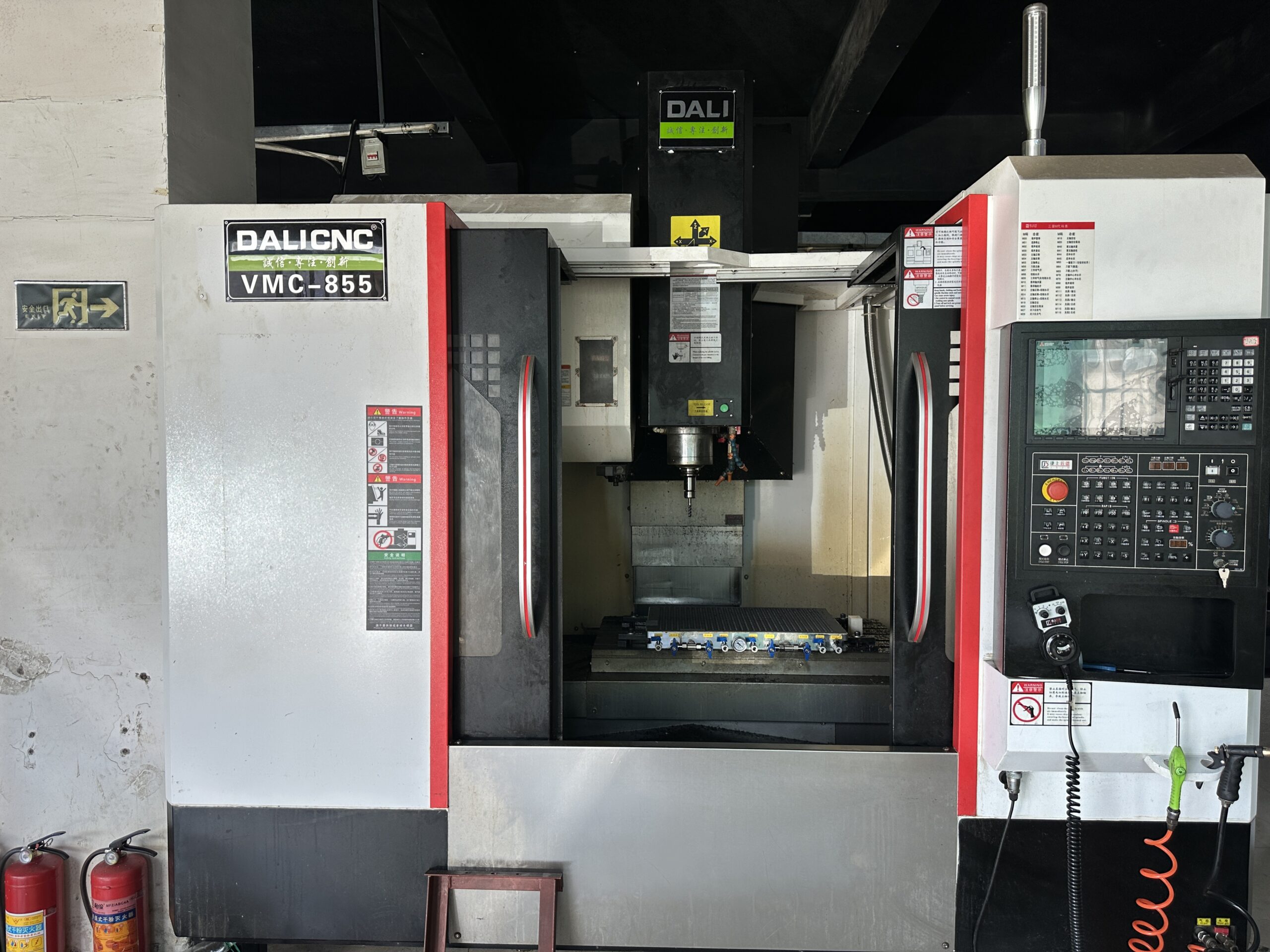
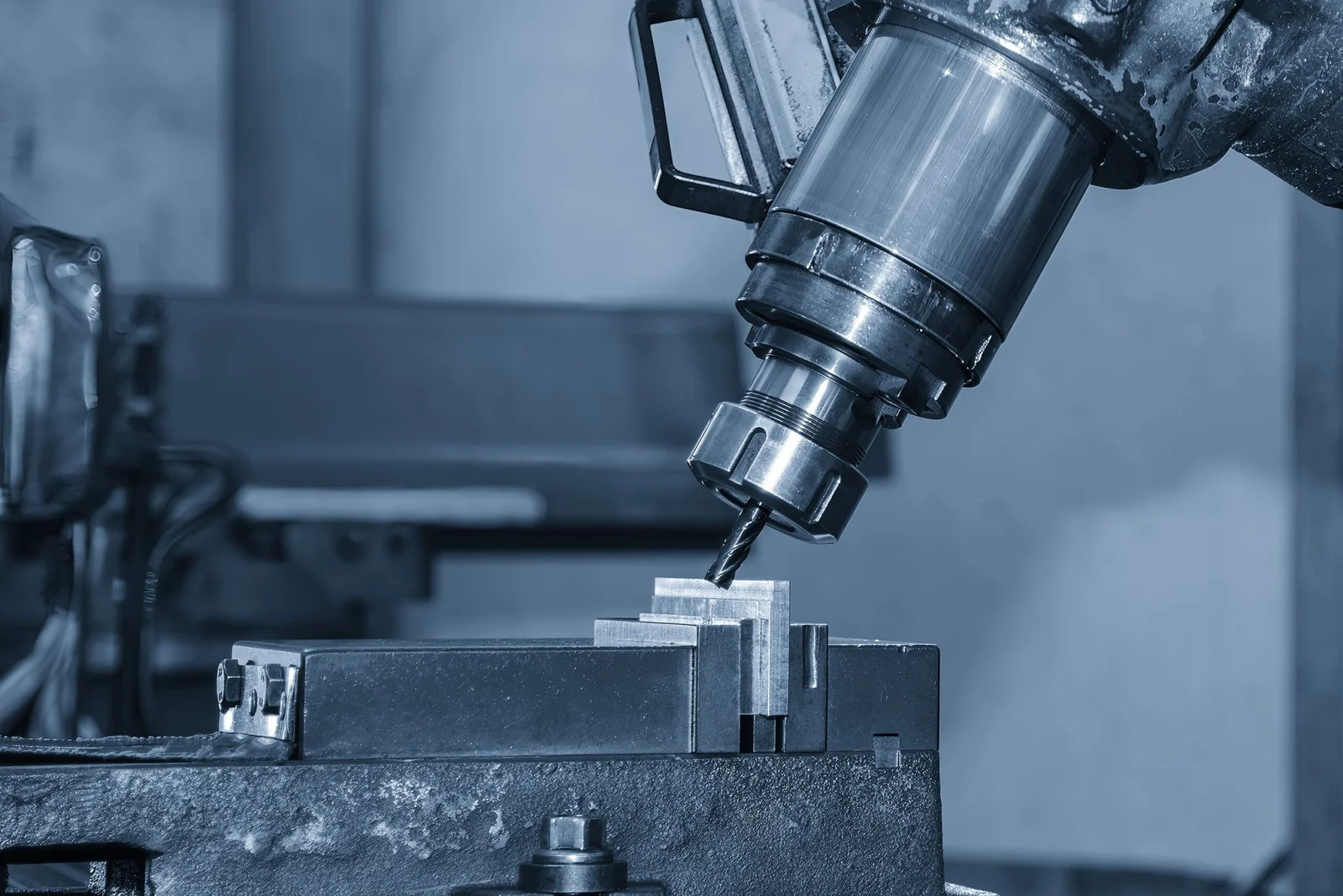
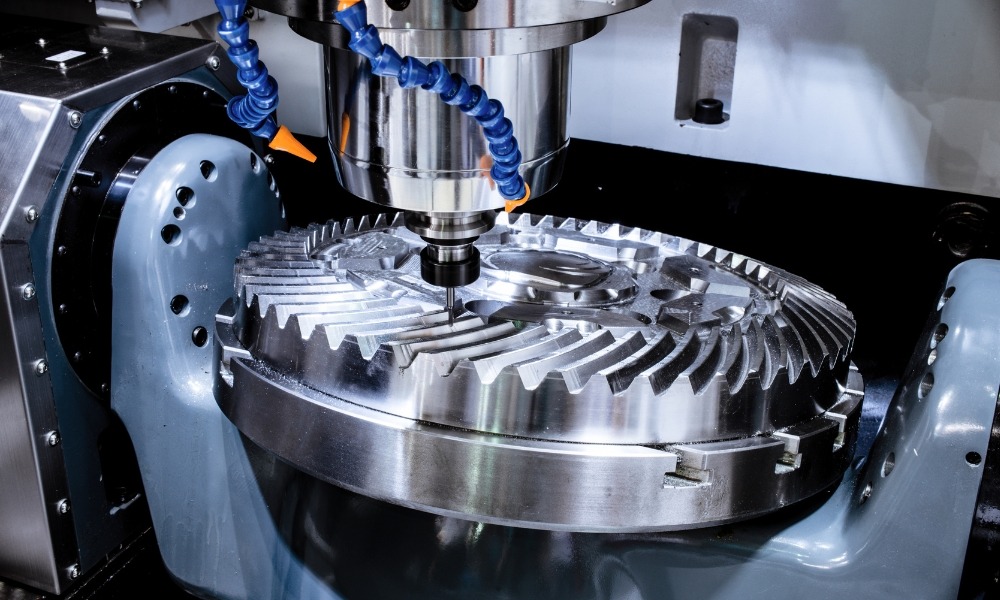
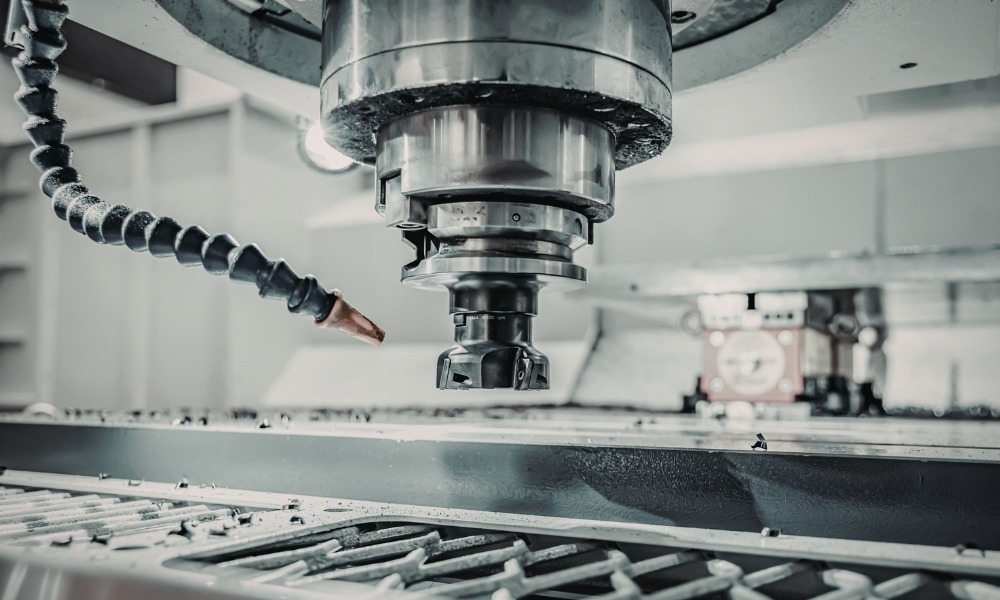
CNC milling is a subtractive manufacturing process in which a rotating multi-point cutting tool moves across a stationary or indexed workpiece to remove material and produce the specified geometry. The cutting path is generated from a CAD model and executed by computer-controlled axes, allowing complex shapes to be produced with high dimensional repeatability.

At Top Proto, our milling centers operate across 3-axis, 4-axis, and 5-axis configurations. The machine selected for your part depends on its geometry, the number of features requiring different approach angles, and the tolerance requirements specified in your drawing. We mill aluminum, stainless steel, titanium, brass, copper, tool steel, and a range of engineering plastics including PEEK, polycarbonate, POM, and Nylon.

CNC Routing
CNC routing applies high-speed cutting to large-format or lower-density materials, including composites, aluminum plate, and engineering plastics. We use routing for parts that require large flat areas, profiled edges, and cutouts at sizes beyond standard milling envelope dimensions.
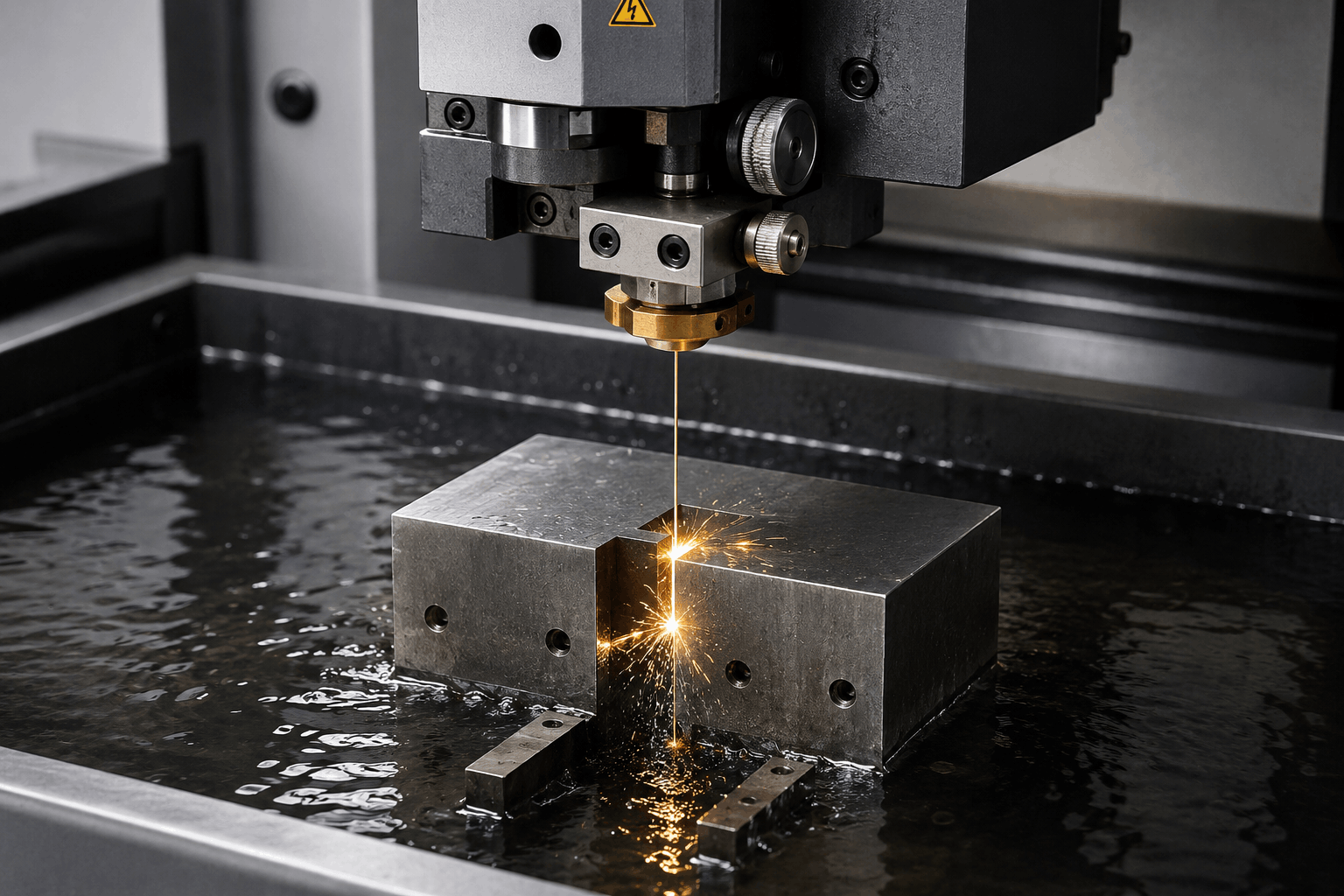
Wire EDM
Wire EDM cuts precise profiles through conductive materials using an electrically charged wire. We apply this process alongside milling for features that require sharp internal corners, thin ribs, or geometries in hardened materials that conventional cutting tools cannot access cleanly.tolerances.
CNC Milling
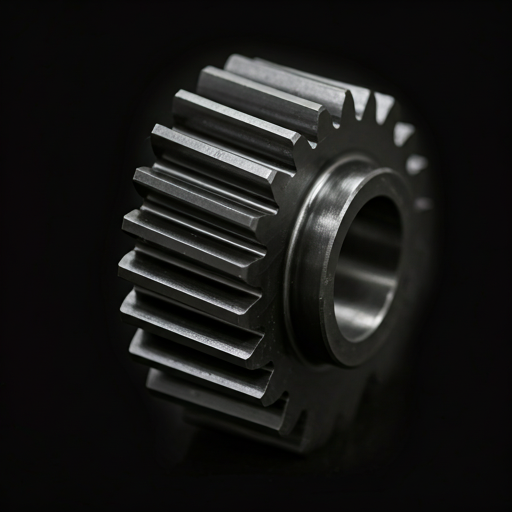
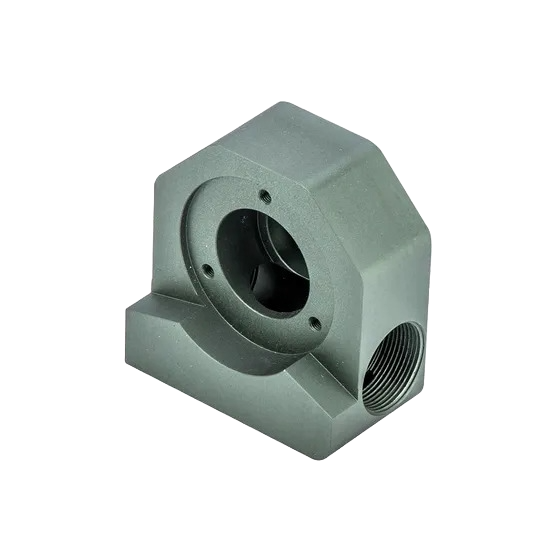
CNC milling uses rotating cutters to produce pockets, slots, bores, chamfers, and complex contoured surfaces from solid metal or plastic stock. Our milling centers operate across 3-axis and 5-axis configurations to handle both simple flat-featured parts and components with multi-sided or curved geometry.
CNC Turning
CNC turning produces cylindrical, conical, and threaded features by rotating the workpiece against a fixed cutting tool. We apply turning to produce shafts, bushings, fittings, and round-profiled components that are then transferred to milling for secondary features where required.

Our Services

Top Proto is your go-to provider for advanced CNC machining, delivering high-precision parts across industries. 

Why Choose Top Proto for CNC Milling Services?

Top Proto produces milled parts directly in our Shenzhen facilities without subcontracting your order to third-party shops. This gives you a single point of contact for quoting, DFM review, production updates, and quality documentation — from first article inspection through to final delivery.

Our quality system is certified to ISO 9001:2015, ISO 13485, IATF 16949:2016, and AS9100D. We review technical drawings before production begins and apply ITAR-registered procedures for controlled projects. Material certifications, dimensional reports, and Certificates of Conformance are provided with every order. For projects where design changes are expected, our engineering team can advise on features that affect machinability, tolerance achievability, and unit cost before you commit to production.

Capabilities for CNC Milling

FeatureDescription
General TolerancesMetals: ISO 2768-F, Plastics: ISO 2768-M
Precision Tolerances

±0.005mm

Minimum Wall Thickness0.5 MM allowing lightweight designs.
Minimum End Mill Size0.5 MM for fine detail machining.
Maximum Part SizeCNC Milling: 4000×750×660MM, CNC Turning: 200×500MM
Minimum Part SizeCNC Milling: 5×5×5MM, CNC Turning: 2×2MM
Production VolumePrototyping: 1–100PCS, Low volume: 101–10,000PCS, High volume: 10,001+ PCS

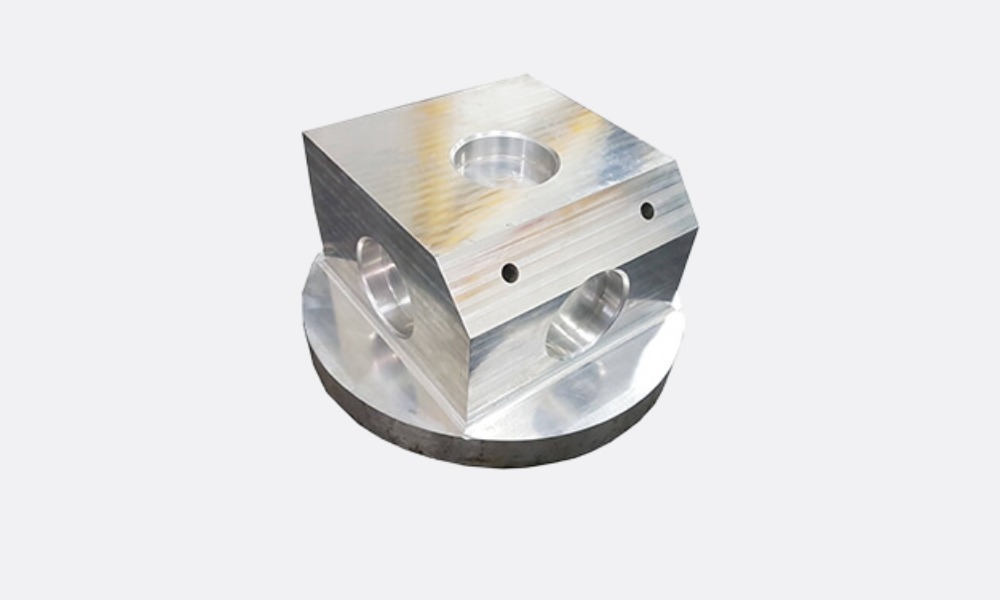
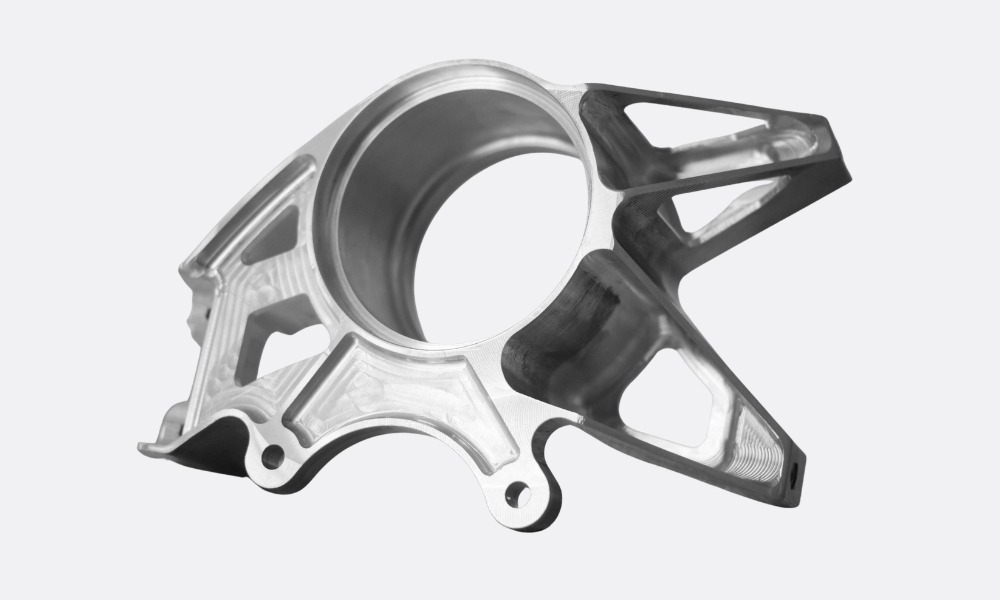
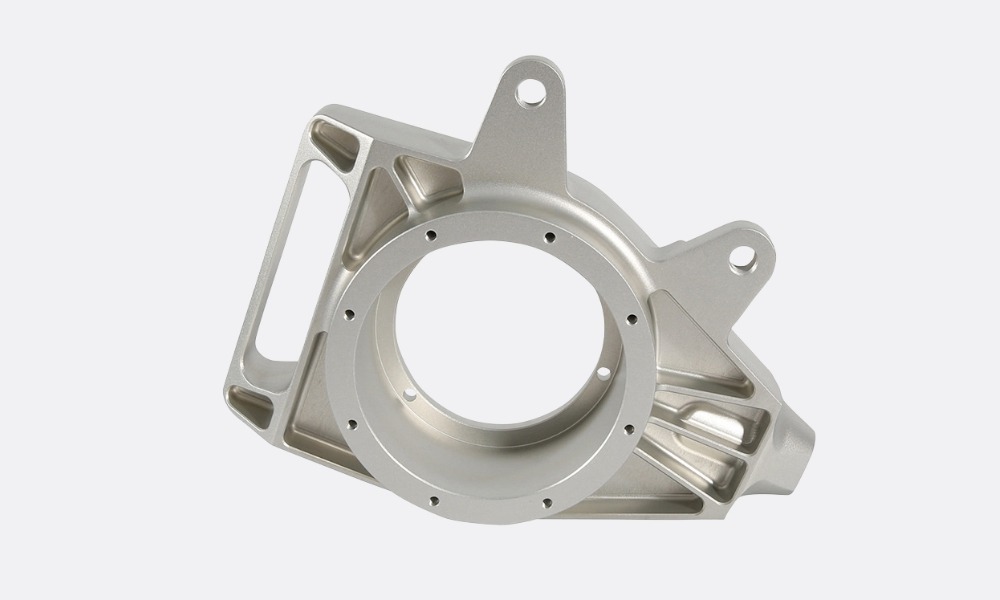
Our CNC Milling Gallery Parts

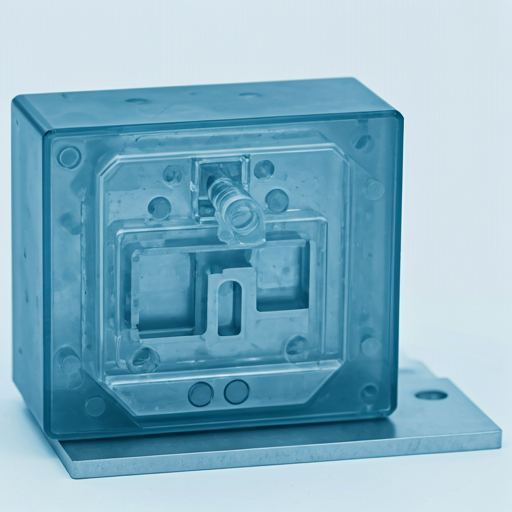
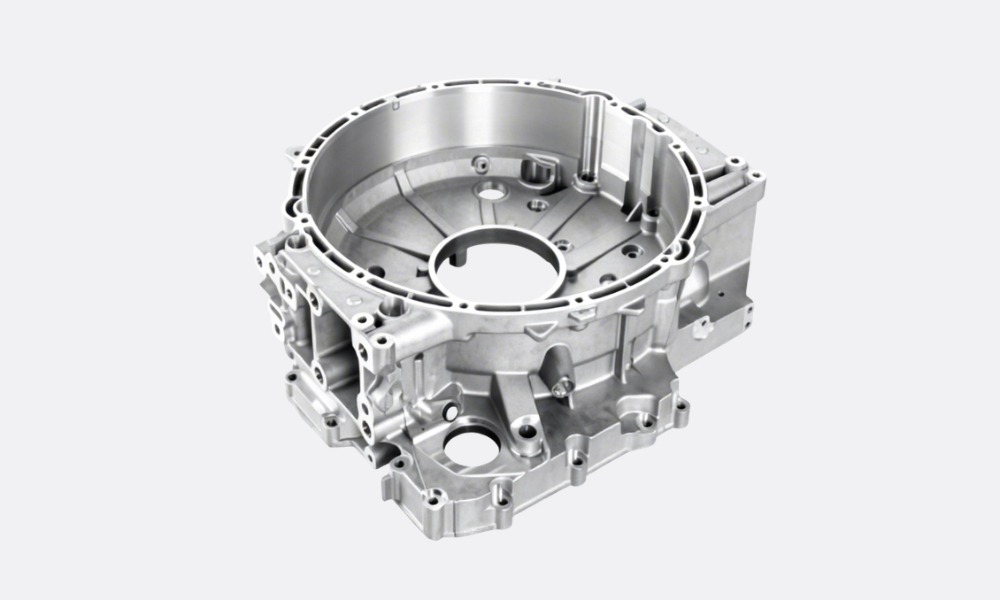
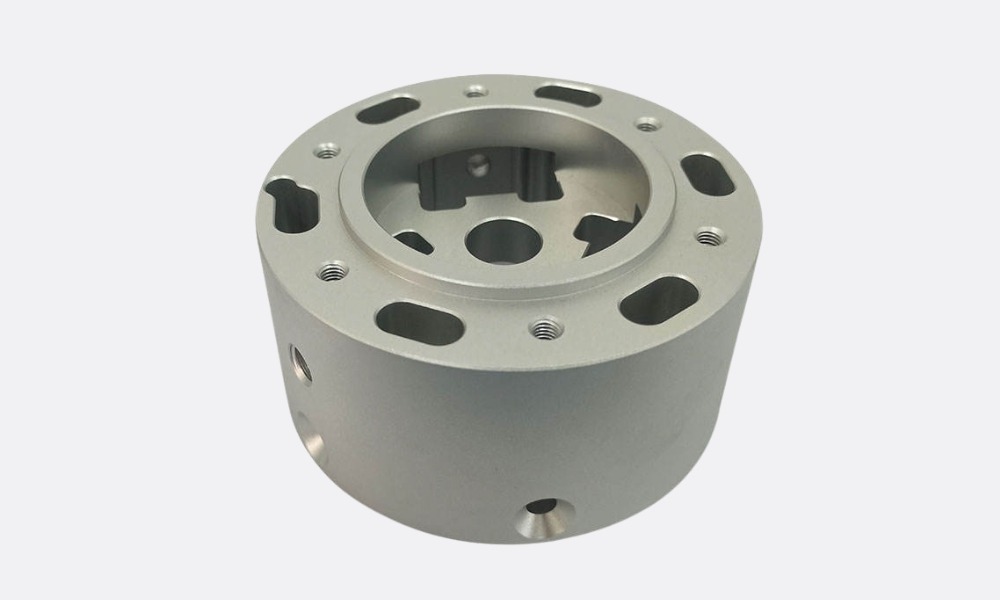
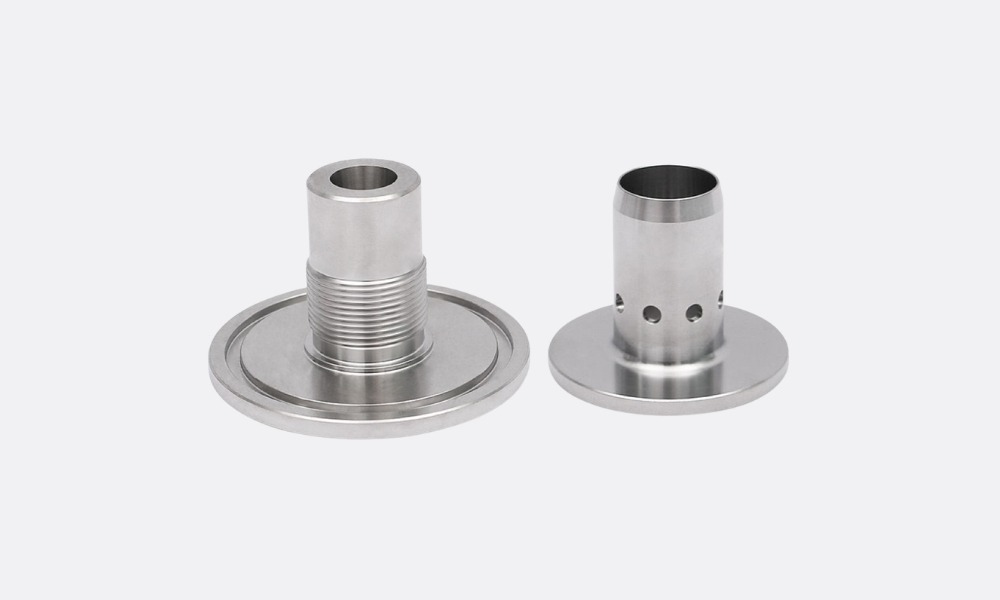
The components shown here were produced at Top Proto using CNC milling across 3-axis and 5-axis configurations. Each part was machined to customer-supplied drawings, measured dimensionally, and delivered with full quality documentation. The gallery reflects our milling capability across a range of materials, industries, and part geometries.

Industry Expertise at Top Proto

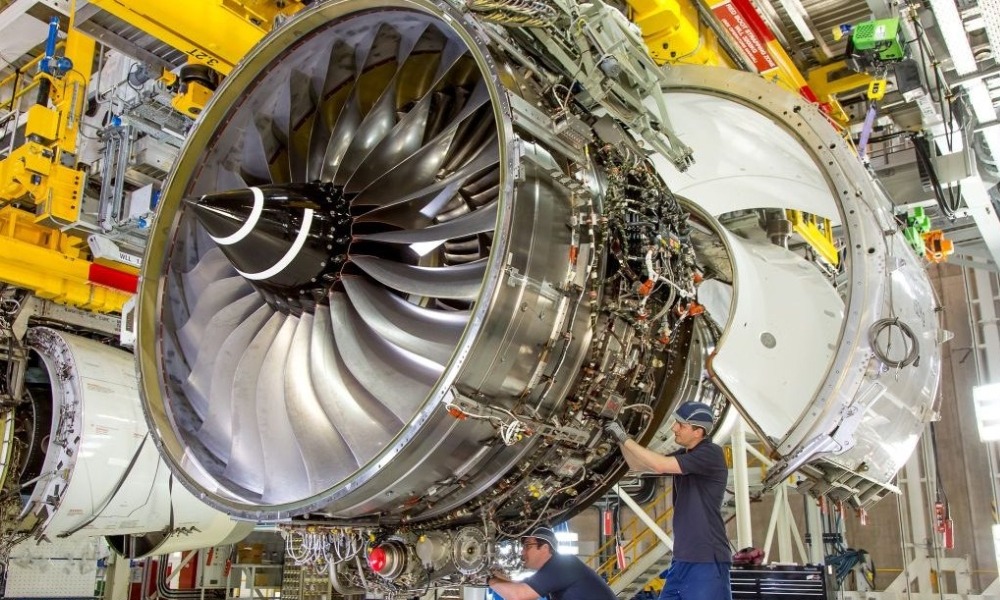
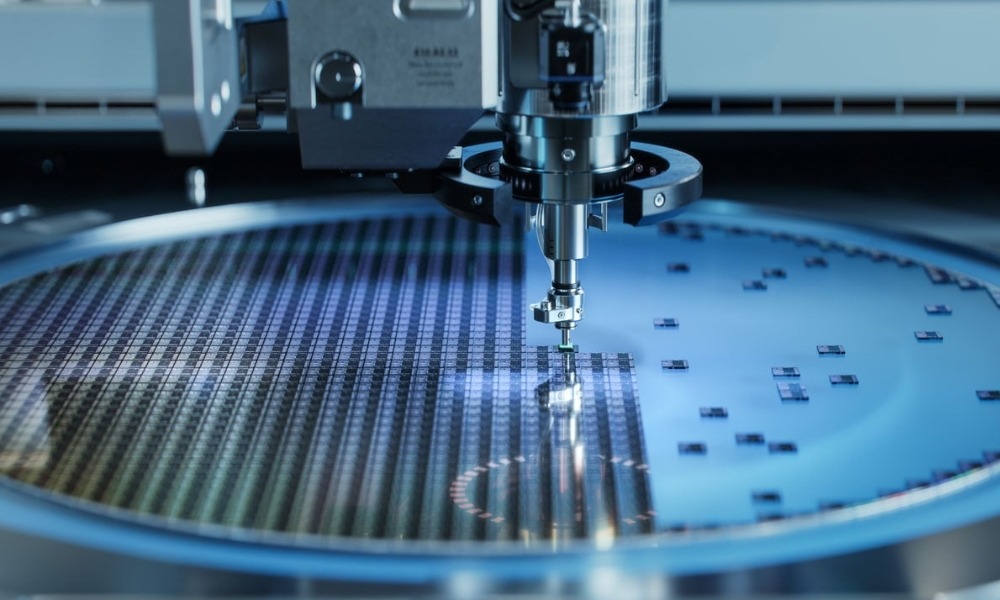
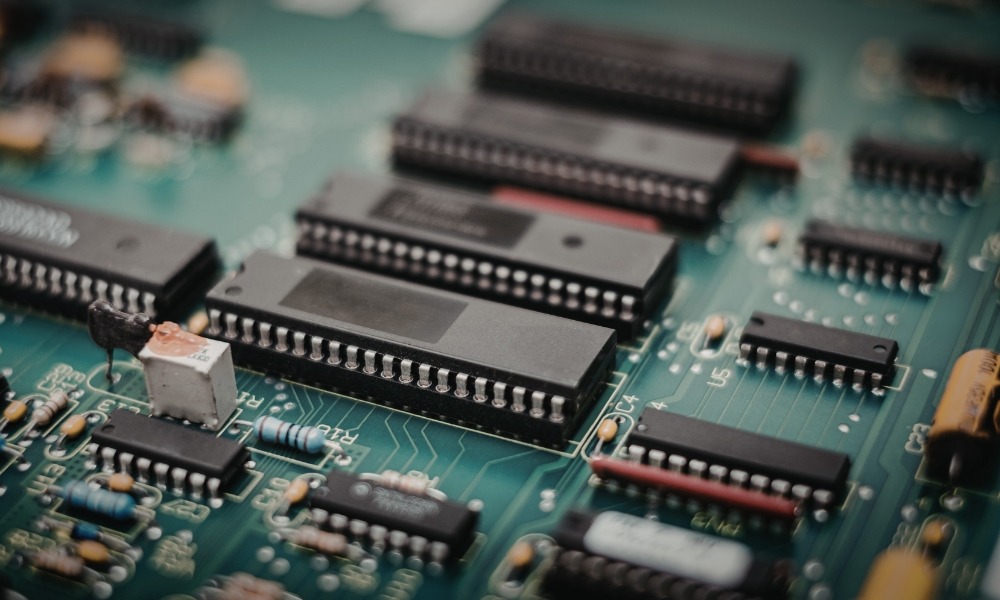
Top Proto applies CNC milling across aerospace, automotive, medical device, robotics, electronics, semiconductor, and consumer product manufacturing. Our engineering team is familiar with the tolerance requirements, certification standards, and inspection documentation expected in each of these sectors.

Rapid Tooling

Rapid tooling at Top Proto is produced in aluminum or soft steel to give development teams functional molds and fixtures within three to five days. The purpose of rapid tooling is to validate the mold design, test part geometry and fit, and produce low-volume pre-production samples before transitioning to hardened production tooling. This step reduces the risk of costly design changes after production tooling has been committed.

Production Tooling

Production tooling is machined from hardened tool steels — P20, H13, or S136 depending on the material being molded and the required cycle life. Top Proto produces production molds rated to over one million cycles, with multi-cavity configurations available to increase output and reduce per-unit cost at high volumes. All production tooling is inspected dimensionally before the first production run to confirm cavity geometry matches the approved part drawing.

Materials for CNC Milling Services

Selecting the right material for a milled part requires matching the alloy or polymer grade to the part’s functional demands — including load-bearing requirements, operating temperature range, chemical exposure, and weight constraints. Top Proto processes the following materials across our milling centers.
Metal Materials
Aluminum 6061-T6

A general-purpose aerospace-grade alloy with good strength-to-weight ratio, excellent machinability, and compatibility with anodizing. Widely used for structural brackets, housings, and prototype components.
Stainless Steel 304

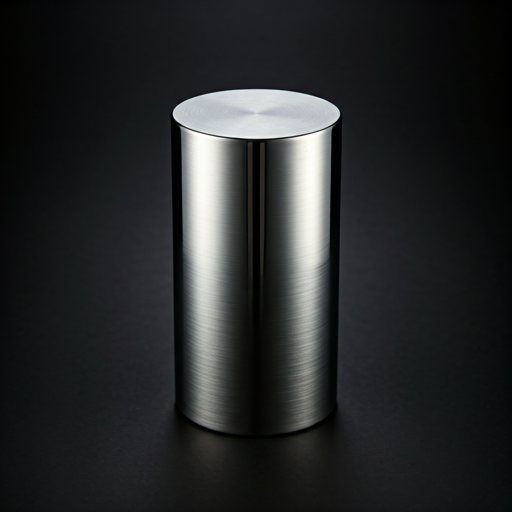
An austenitic stainless alloy with good corrosion resistance, weldability, and surface finish capability. Suitable for food-contact, medical, and industrial components requiring hygiene or chemical resistance.

Titanium Grade 5

A high-strength, low-density alloy used where weight reduction is critical and mechanical performance cannot be compromised. Common in aerospace, medical implant, and high-performance motorsport applications.

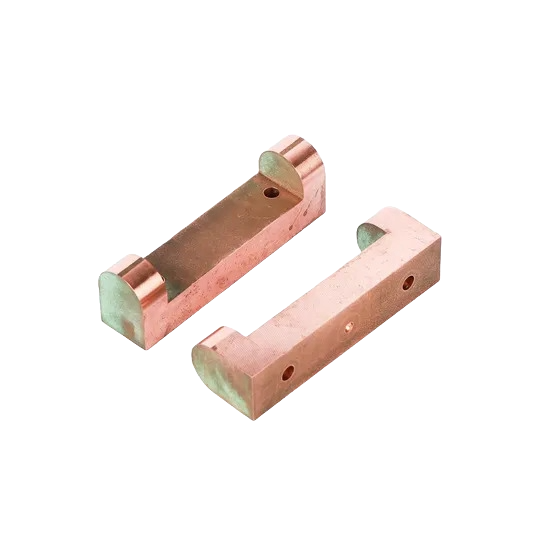
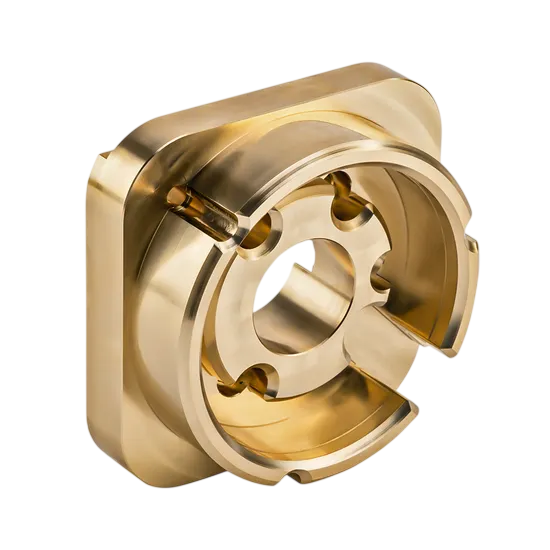
Brass C360

A free-machining copper-zinc alloy with the highest machinability rating among common engineering metals. Used for fittings, valves, electrical connectors, and precision threaded components.
Plastic Materials
PEEK

High-performance thermoplastic with thermal stability

Polycarbonate

Tough, transparent plastic with high impact strength.

POM (Delrin)

Low friction and high stiffness for moving parts.

ABS

Standard prototyping material with good durability.

As Machined
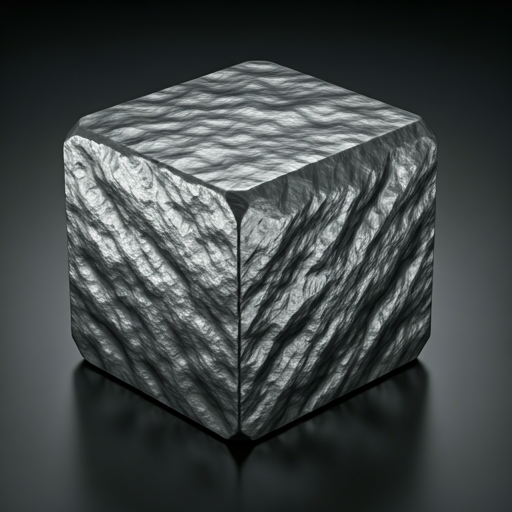
The as-machined finish retains the surface condition produced directly by the cutting tool. Surface roughness is typically Ra 3.2umm, and tool paths may be visible on machined faces. This finish reduces cost and lead time and is appropriate for internal structural parts, fixtures, and components where surface appearance is not specified.
Bead Blasting
Bead blasting creates a uniform, non-directional matte texture by propelling fine media against the part surface. The process removes visible tool marks, reduces surface gloss, and produces a consistent appearance across all machined faces. It is commonly applied before anodizing to improve color uniformity.
Anodizing
Anodizing grows a hard aluminum oxide layer on the part surface through electrolytic oxidation. The treatment increases surface hardness, improves corrosion resistance, and allows color to be introduced through a dye bath. Type II anodizing is standard for most applications; Type III hard anodizing is available for wear-critical surfaces.
Mirror Polish
Mirror polishing uses a progression of mechanical buffing steps with decreasing abrasive grades to reduce surface roughness to Ra 0.1umm or below. The resulting finish is highly reflective and is specified for optical housings, decorative panels, and medical instrument components.

CNC Milling Surface Finishes

The surface condition of a milled part affects its friction characteristics, corrosion resistance, dimensional stability after coating, and visual appearance. Top Proto applies post-milling surface treatments based on your functional and aesthetic requirements.

Made in China. Precision You Can Rely On.

Top Proto operates from Shenzhen, Guangdong, China — the global hub for precision manufacturing, advanced component supply chains, and technology production. Our facility houses over 300 CNC machining centers, injection molding presses, sheet metal fabrication lines, and 3D printing systems operating under a unified ISO 9001:2015, ISO 13485, IATF 16949:2016, and AS9100D certified quality management system. Skilled technicians and meticulous in-process inspection at every production stage ensure that custom metal and plastic parts are delivered to specification — with the dimensional inspection reports to prove it.
300+

Machines Running at Peak Efficiency

0.005mm

Ultra-Fine Tolerances Achievable

24 Hrs

Lead Times Starting From

50+

Engineering Materials Available

Choose Us for Flexible Pricing and Quick Delivery

At TOP PROTO, we know price and timeline go hand in hand. Our CNC machining services can work around your budget and deliver on your deadline. Get a quote instantly and select the service to meet your requirements.

  • Competitive pricing with quality always remains.
  • Fast lead time to complete the project quickly.

Pros of CNC Milling

How We Works – 3-Stages Workflow

We guarantee that CNC parts are delivered on time and that the process is completely transparent in the following 3 simple steps:

Upload Your Files

Instant prices with DFM feedback for many file types.

We Manufacture Your Parts

You can select from many materials and methods.

Tracking and Receiving Your Parts

View the QC documentation and inspection photographs.

Quality Assurance & Compliance

Reliability in Every Part We Manufacture

We stay true to industry standards that have to do with quality and safety, like ISO 9001:2015 and AS9100. We assess and check every part multiple times to ensure that inspections have been done thoroughly and that we can offer no exceptions to your needs.

What Makes Top Proto Different from Others

Instant Smart Quoting
Get quick pricing and DFM insights to optimize designs and reduce costs.
Global Supply Network
Access our global manufacturing network for reliable solutions of all sizes.
Certified Quality Control
Strict inspection protocols for every part. We ensure 100% accuracy and high standards.
Fast Reliable Delivery
Punctual shipping for all custom orders. Your projects always stay on schedule.

Frequently Asked Questions

We mill a broad range of metals and engineering plastics. Common metal choices include aluminum 6061 and 7075, stainless steel 304 and 316L, titanium Grade 5, brass C360, and tool steels. For plastics, we regularly machine PEEK, polycarbonate, POM, Nylon, ABS, PTFE, and acrylic.
Standard prototype lead time is five to seven business days, depending on part complexity, material availability, and the number of setups required. Expedited production is available for time-critical orders — contact our team with your timeline and we will advise on what is achievable.
Yes. Top Proto handles orders from single prototype parts through to production runs of 10,000 units and above. You can start with a prototype, iterate on the design, and scale to production without changing suppliers or re-qualifying a new facility.
We hold standard tolerances to ISO 2768-F for metals and ISO 2768-M for plastics. For critical features, we achieve precision tolerances down to +/-0.005mm. Tolerance requirements should be specified in your technical drawing; our engineering team reviews every drawing before production begins.

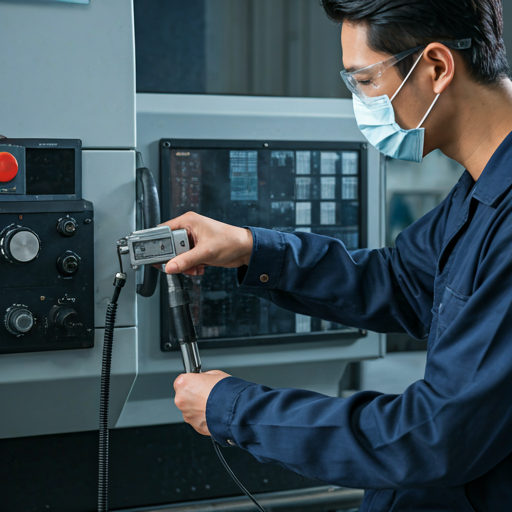
Parts are inspected at three stages: incoming material verification, in-process dimensional checks during machining, and final inspection against your drawing before shipment. Dimensional reports, material certifications, and Certificates of Conformance are included with every order.

CNC Manufacturing Resources

Technical guides and process comparisons from the Top Proto engineering team, covering material selection, process decision frameworks, and manufacturing design principles for engineers and product developers.