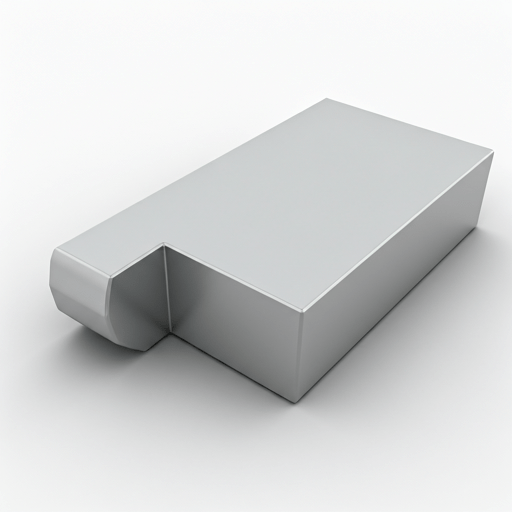
Sheet Metal Bending Services for Custom Formed Parts

Top Proto delivers sheet metal fabrication services for engineering teams, product designers, and procurement managers who need custom metal parts produced to accurate dimensions, consistent bend angles, and specified surface conditions. We fabricate sheet metal components from prototype quantities through to production runs, covering cutting, bending, punching, welding, and finishing operations in a single facility in Shenzhen, China. Every order includes dimensional inspection documentation and material certification as standard.

Get instant pricing, project lead times, and DFM feedback.

Accepted File Types: STEP, STP, SLDPRT, STL, DXF, X_T, X_B, IPT, CATPART, PRT, SAT, 3MF, JT

What is Sheet Metal Fabrication?

Sheet metal fabrication is a group of manufacturing processes that convert flat metal sheet stock into three-dimensional components by cutting, forming, joining, and finishing operations. Unlike casting or machining from solid block, sheet metal fabrication starts with flat stock of controlled thickness and applies sequential operations — laser cutting, punching, press brake bending, welding, and surface treatment — to produce the final part geometry.

At Top Proto, we work with sheet metal in thicknesses from 0.5mm to 12mm across a broad range of metals including mild steel, stainless steel, aluminum alloys, copper, and brass. Parts are produced from your CAD files or flat pattern drawings, with every operation controlled by programmed machine parameters to maintain dimensional consistency from the first part to the last unit in the production run.

Our Fabrication Services

Sheet Metal Fabrication

Complete sheet metal fabrication from flat stock to finished part, covering laser cutting, punching, press brake bending, welding, and surface finishing. Suitable for enclosures, brackets, panels, chassis, and structural assemblies.

Laser Cutting

Fiber laser cutting of flat sheet metal with tight dimensional accuracy and clean edges. Used for cut-to-shape blanks, profiled panels, and parts requiring precise hole patterns, slots, and external contours.

Metal Bending

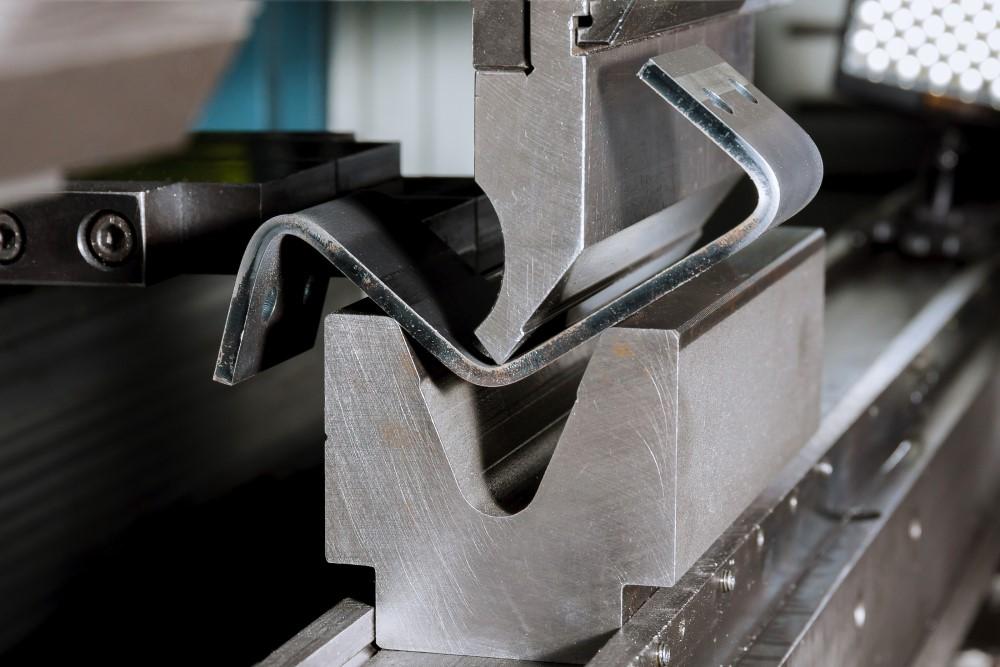
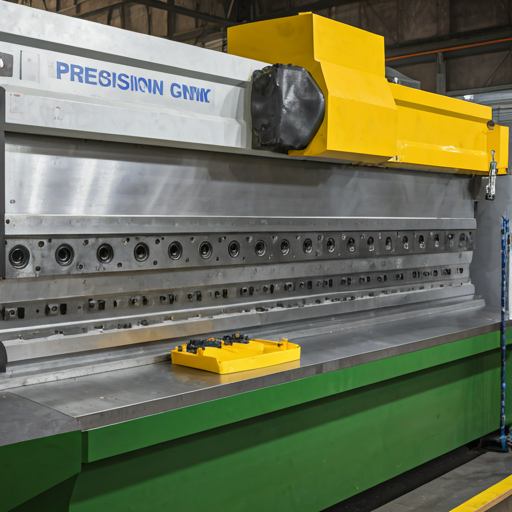
Press brake bending of laser-cut or punched blanks to produce formed sheet metal parts with accurate bend angles, consistent radii, and controlled flange lengths. Suitable for brackets, enclosures, and structural components.

Welding and Assembly

MIG, TIG, and spot welding of sheet metal components for structural joins, sealed enclosures, and assembled sub-systems. Weld quality is inspected visually and dimensionally against your drawing specifications.

Materials for Metal Bending Services

Material ductility, yield strength, and spring-back behavior are the primary factors that determine bendability and the required press parameters for each forming operation. Top Proto selects bending parameters — punch geometry, die opening, and press force — based on your material specification and thickness.
Metal Materials
Mild Steel

(S235 / A36)
Stainless Steel

304

Stainless Steel

316
Aluminum

5052-H32
Aluminum

6061-T6
Copper

(C101)

Brass

(C260)
As Bent
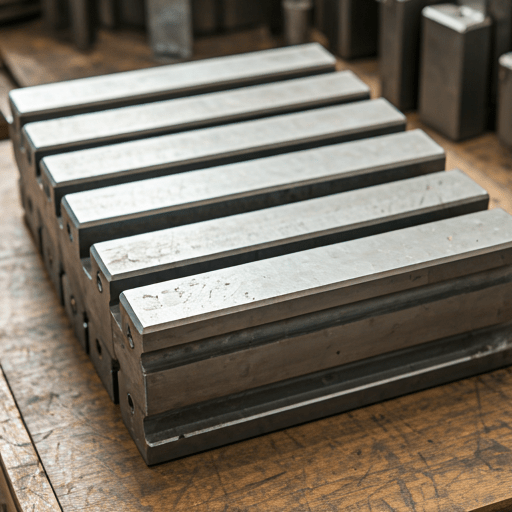
Parts delivered in the condition produced by the press brake, with natural material surface on flat faces and slight radius marks at bend lines. Suitable for structural components and parts proceeding to welding, painting, or powder coating.
Powder Coating
Applied after bending and any welding operations. Hard, durable surface layer in a full range of RAL colors with gloss, semi-gloss, or matte finishes. Provides good corrosion resistance for indoor and outdoor applications.
Anodizing
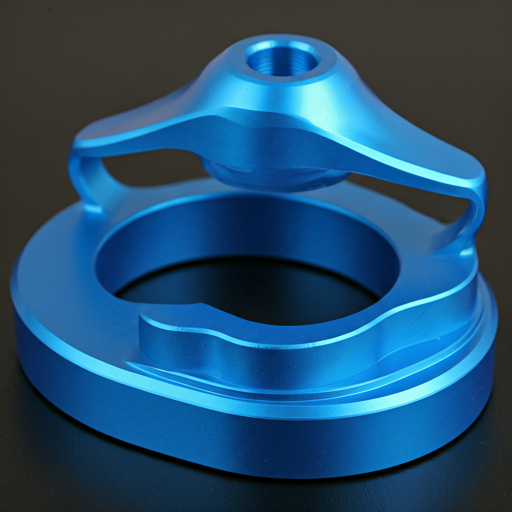
Applied to aluminum bent parts after forming. Produces a hard, corrosion-resistant surface layer in clear or colored finishes. Type II standard; Type III hard anodizing available for wear-critical surfaces.
Zinc Plating
Electroplated zinc coating applied to mild steel bent parts for corrosion protection. Suitable for indoor-use structural components and brackets.
Brushed Finish
Unidirectional abrasive finishing applied to flat faces of stainless steel or aluminum bent parts before forming where possible, or to accessible flat faces after bending. Produces a fine linear grain texture for architectural and equipment applications.
Passivation
Applied to stainless steel bent parts to remove free iron from the surface and improve corrosion resistance. Recommended for stainless steel parts used in food, medical, and chemical environments.

Metal Bending Surface Finishes

Surface finishing of bent sheet metal parts is applied after forming to protect the base material and meet appearance specifications. The same surface treatment options available for laser cut parts are applied after bending in our integrated fabrication workflow.

Why Choose Top Proto for Metal Bending Services?

Top Proto operates a complete sheet metal fabrication workflow in-house, from laser cutting and punching through to press brake bending, welding, and surface finishing. This means your fabrication program moves through all production stages within a single facility, under a unified quality management system, without the delays and specification gaps that arise when operations are split across multiple subcontractors.

Our quality management system is certified to ISO 9001:2015. Every part is inspected dimensionally against your drawing before shipment, and inspection reports, material certifications, and Certificates of Conformance are included with every order. Our engineering team reviews your flat pattern drawings and 3D CAD files for manufacturability before production begins, identifying bend radius issues, material stretch factors, and feature placements that may affect dimensional achievability.

Metal Bending Capabilities

Feature

Specification

Bending Process

Air bending, bottom bending, and coining available depending on material and tolerance requirements

Maximum Bending Length

3000mm

Material Thickness Range

0.5mm to 12mm depending on material and press tonnage

Bend Angle Tolerance

+/-0.5 degrees standard; +/-0.2 degrees achievable with secondary measurement and adjustment

Flange Length Tolerance

+/-0.2mm on short flanges; +/-0.5mm on flanges over 100mm

Minimum Flange Length

Minimum flange length equals 2 times material thickness plus the bend radius, reviewed during DFM for each geometry

Inside Bend Radius

Standard inside radius equal to material thickness; tighter radii available depending on material ductility

Materials Processed

Mild steel, stainless steel 304/316, aluminum 5052/6061, copper, and brass


Our Metal Bending Gallery Parts

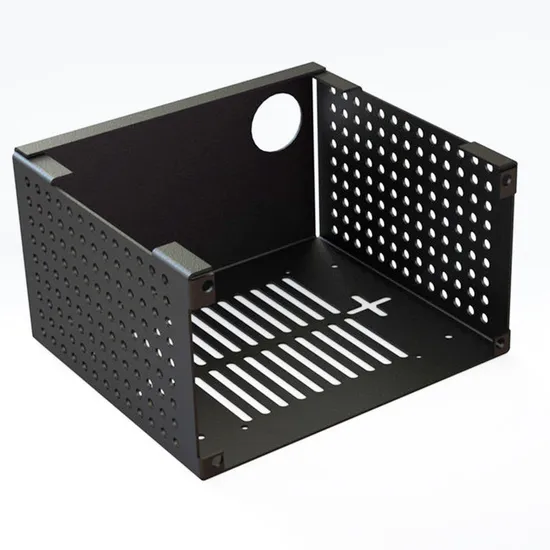
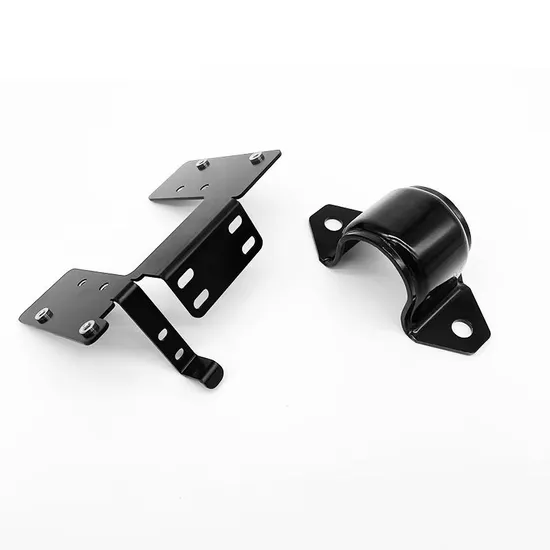
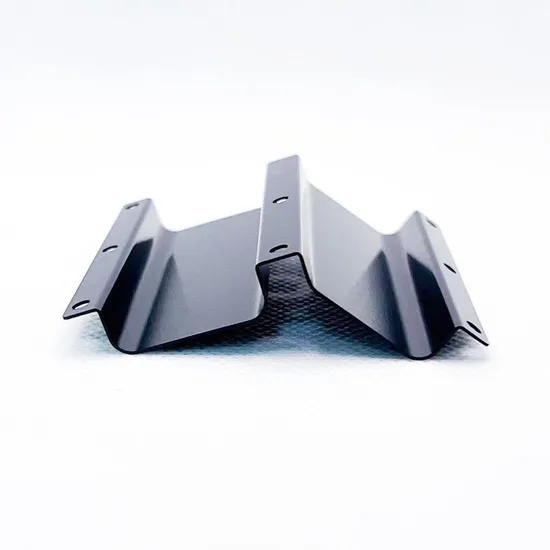
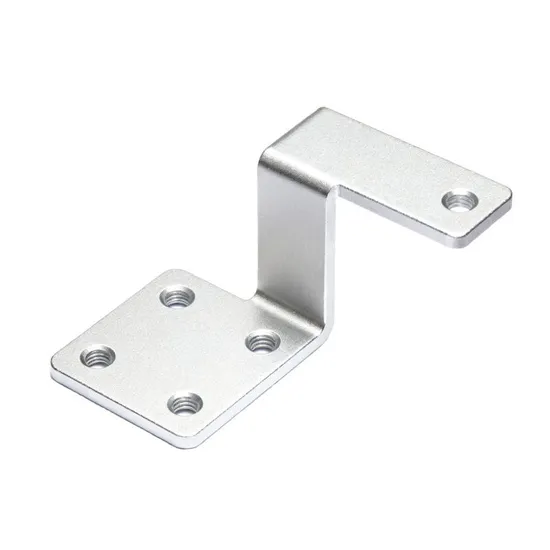
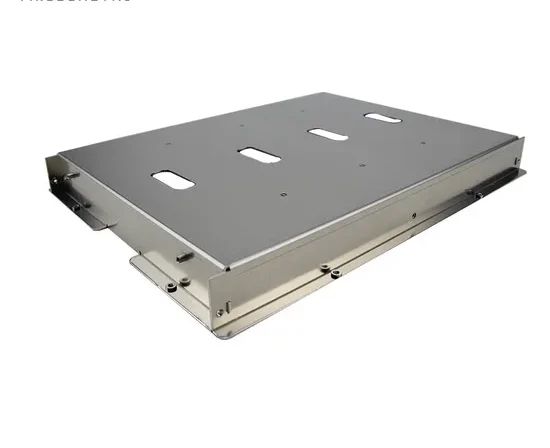
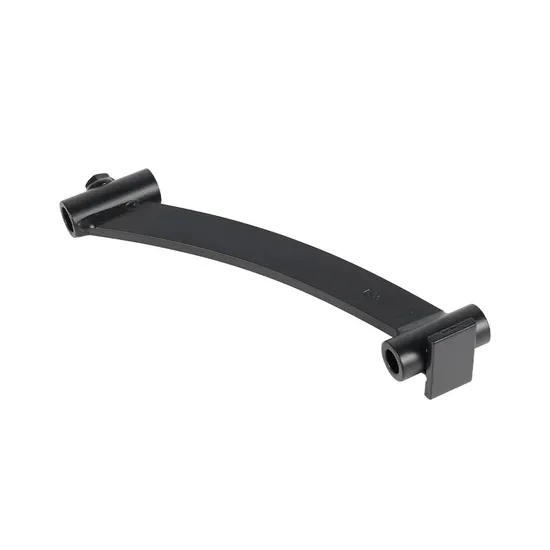
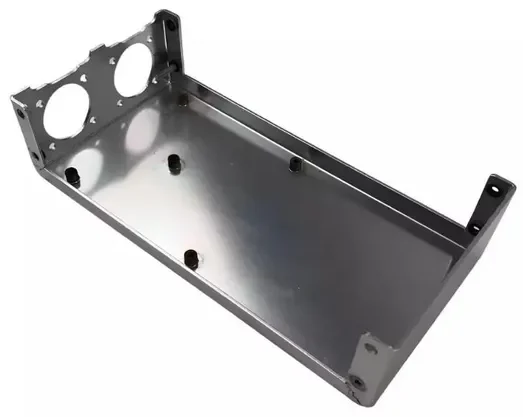
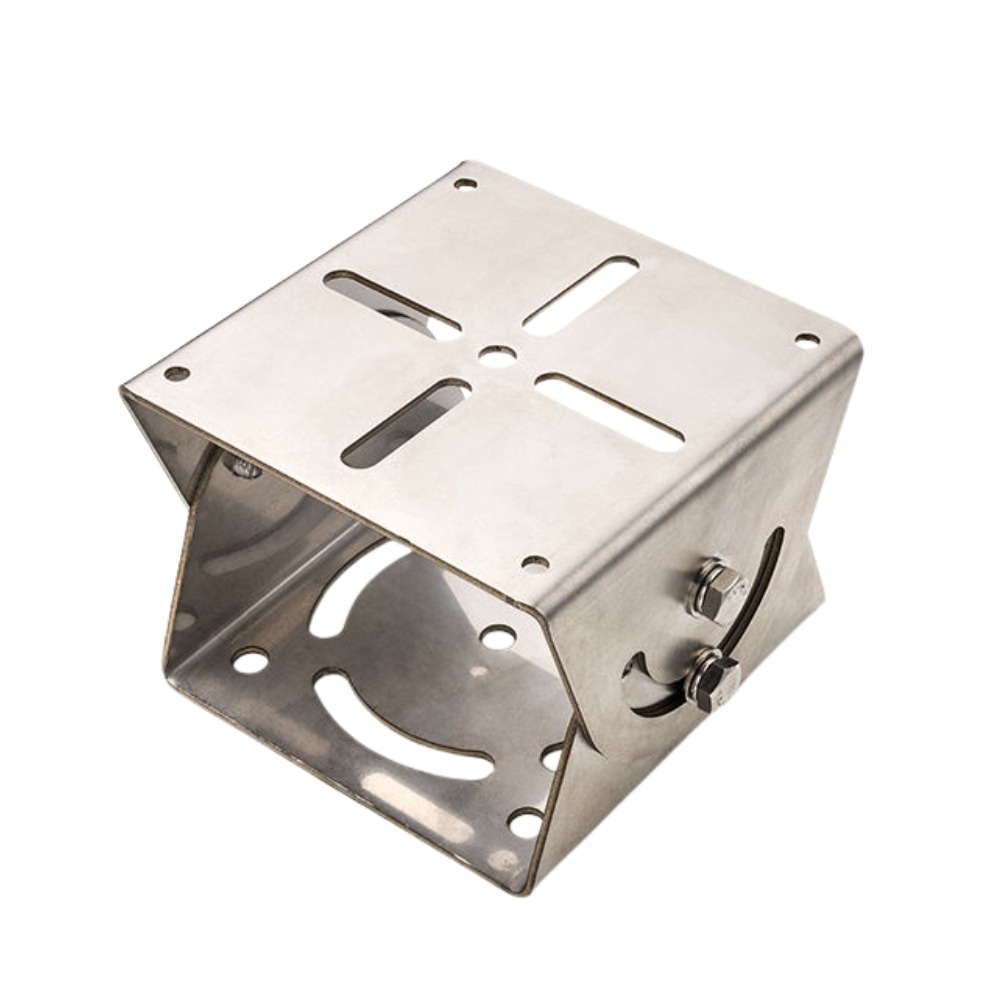
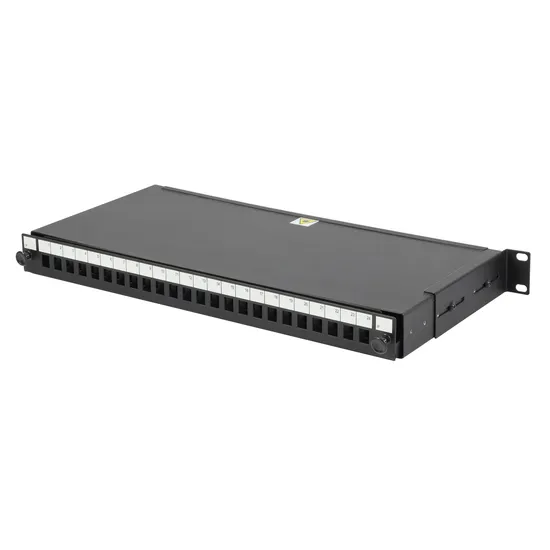
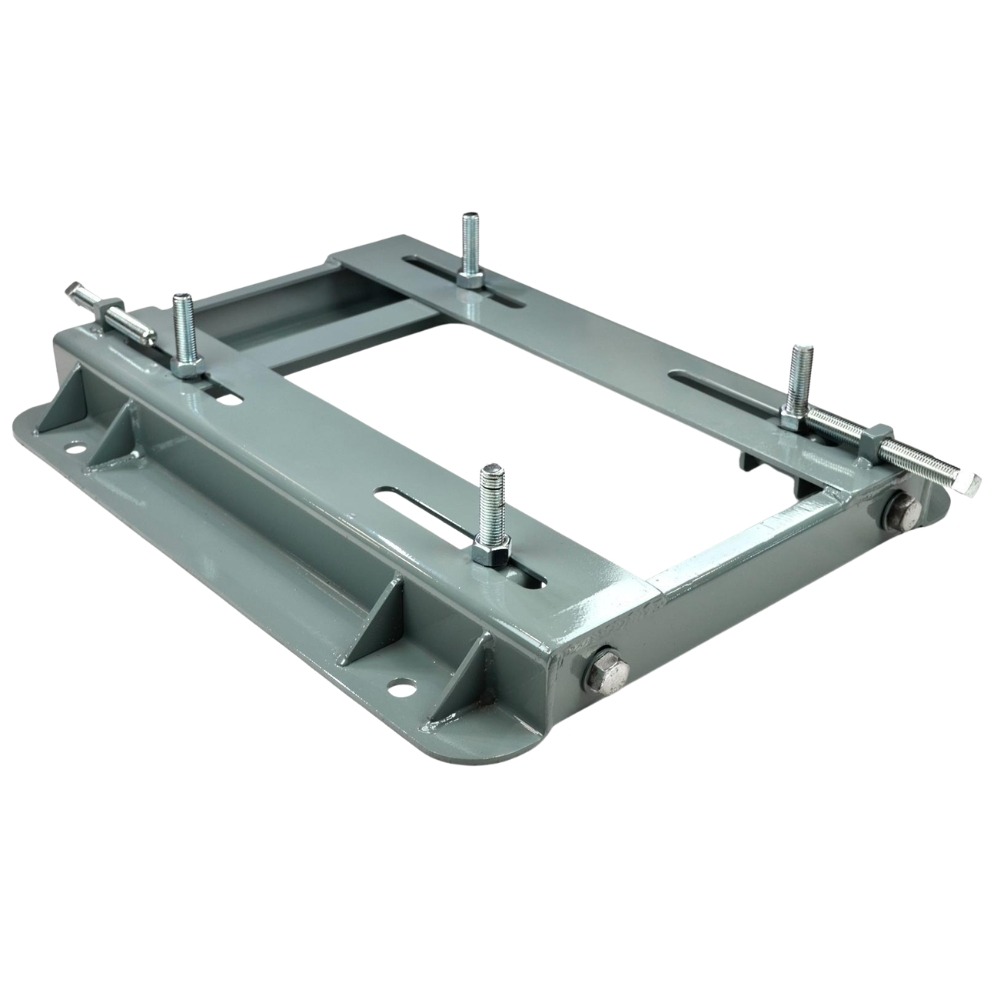
The parts shown here were produced at Top Proto using our CNC press brake bending systems across a range of materials, thicknesses, and bend geometries. Each part was formed from a laser-cut blank, inspected dimensionally against the customer drawing, and delivered with full quality documentation. The gallery reflects our bending capability across simple brackets, multi-bend enclosures, channels, and complex structural profiles.

Industry Expertise at Top Proto

Top Proto has direct production experience across nine industries, each with its own dimensional tolerance standards, material certification requirements, and quality documentation expectations. We do not apply a generic machining approach to every sector — our engineering team reviews your industry-specific requirements before production begins and applies the process controls, material sourcing, and inspection methods appropriate for your application.

Rapid Tooling

Press brake bending uses standard punch and die tooling sets that are already held in our facility. For most sheet metal geometries, no dedicated tooling is required — parts are bent using our standard tooling library with program-specific backstop positions and bend sequences. This means prototype bent parts can be produced quickly from your laser-cut blank without tooling lead time or cost, making iteration between design versions fast and low-cost.

Production Tooling

For production programs requiring specialized forming geometries — custom radii, offset bends, or joggle operations — Top Proto produces dedicated punch and die inserts to suit your part requirements. Custom tooling is produced in hardened tool steel and held in our tooling library for repeat production runs, ensuring that each batch of parts is bent with the same tooling geometry and press parameters as the first production run.

Made in China. Precision You Can Rely On.

Top Proto operates from Shenzhen, Guangdong, China — the global hub for precision manufacturing, advanced component supply chains, and technology production. Our facility houses over 300 CNC machining centers, injection molding presses, sheet metal fabrication lines, and 3D printing systems operating under a unified ISO 9001:2015, ISO 13485, IATF 16949:2016, and AS9100D certified quality management system. Skilled technicians and meticulous in-process inspection at every production stage ensure that custom metal and plastic parts are delivered to specification — with the dimensional inspection reports to prove it.
300+

Machines Running at Peak Efficiency

0.005mm

Ultra-Fine Tolerances Achievable

24 Hrs

Lead Times Starting From

50+

Engineering Materials Available

Choose Us for Flexible Pricing and Quick Delivery

At TOP PROTO, we know price and timeline go hand in hand. Our CNC machining services can work around your budget and deliver on your deadline. Get a quote instantly and select the service to meet your requirements.

  • Competitive pricing with quality always remains.
  • Fast lead time to complete the project quickly.

Pros of Metal Bending

What Makes Top Proto Different from Others

Instant Smart Quoting
Get quick pricing and DFM insights to optimize designs and reduce costs.
Global Supply Network
Access our global manufacturing network for reliable solutions of all sizes.
Certified Quality Control
Strict inspection protocols for every part. We ensure 100% accuracy and high standards.
Fast Reliable Delivery
Punctual shipping for all custom orders. Your projects always stay on schedule.

Frequently Asked Questions

 We require your part drawing with all bend angles, bend radii, flange lengths, and material specification clearly noted, along with your CAD file in STEP or DXF format. For bent parts, a 3D CAD model is preferred as it allows our team to verify the bending sequence and confirm tooling access for each bend before quoting.

Minimum flange length is determined by the material thickness and inside bend radius, and is generally calculated as two times the material thickness plus the bend radius. For very short flanges, our engineering team reviews tooling access during the DFM process and advises on the minimum achievable flange for your specific geometry.

We apply material-specific spring-back compensation values to our press brake programs, overbending the part by a calculated amount so that it springs back to the specified angle. For tight-tolerance applications, we bend and measure sample parts before full production to verify that the spring-back compensation is correct for your material batch, then lock the program parameters for the production run.

Yes, provided the material is specified in an appropriate temper and the inside bend radius is sized correctly for the material thickness. Aluminum 5052-H32 is the most formable common alloy and tolerates tight radii without cracking. Aluminum 6061-T6 requires larger minimum bend radii due to its lower ductility in the T6 temper. We review minimum bend radii for each material during the DFM process.

Yes. Top Proto performs welding as a downstream operation following press brake bending in our integrated fabrication workflow. Parts are bent first to establish the final geometry, then welded at specified joints. Weld locations and specifications should be noted on your drawing.

CNC Manufacturing Resources

Technical guides and process comparisons from the Top Proto engineering team, covering material selection, process decision frameworks, and manufacturing design principles for engineers and product developers.