Precision Laser Cutting Services for Custom Sheet Metal Parts

Top Proto delivers laser cutting services for engineering teams and manufacturers that need flat sheet metal parts cut to accurate dimensions, clean edge quality, and tight feature tolerances. Our fiber laser cutting systems process a wide range of metals and thicknesses, producing cut blanks, profiled panels, hole patterns, and complex contours from your DXF or CAD files with minimal material waste and consistent edge quality across every part in the production run.

Get instant pricing, project lead times, and DFM feedback.

Accepted File Types: STEP, STP, SLDPRT, STL, DXF, X_T, X_B, IPT, CATPART, PRT, SAT, 3MF, JT

What is Laser Cutting?

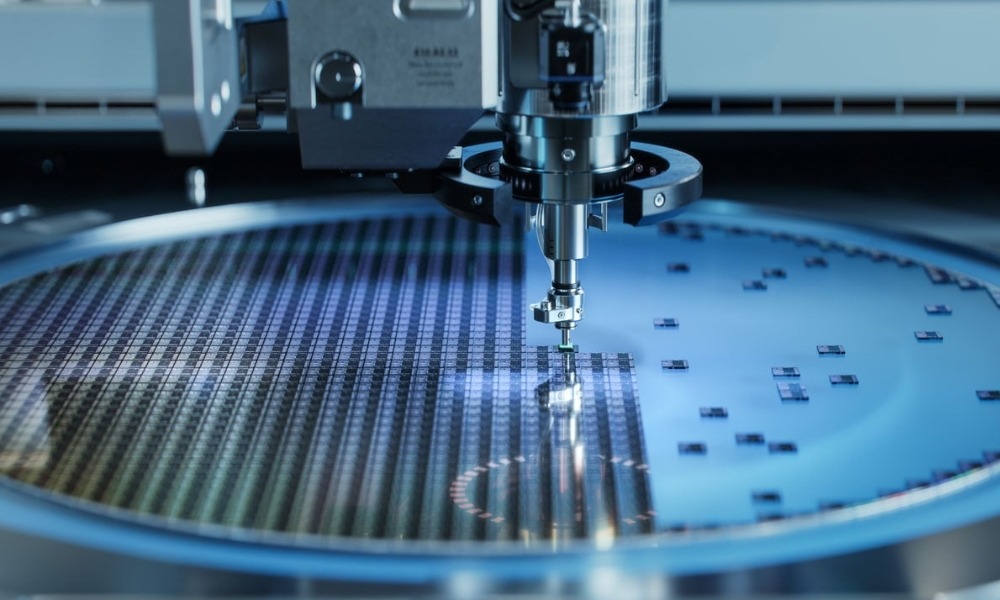
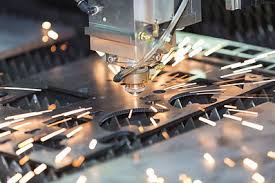
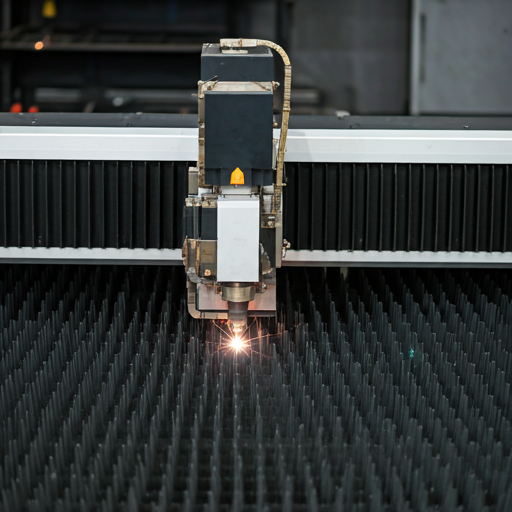
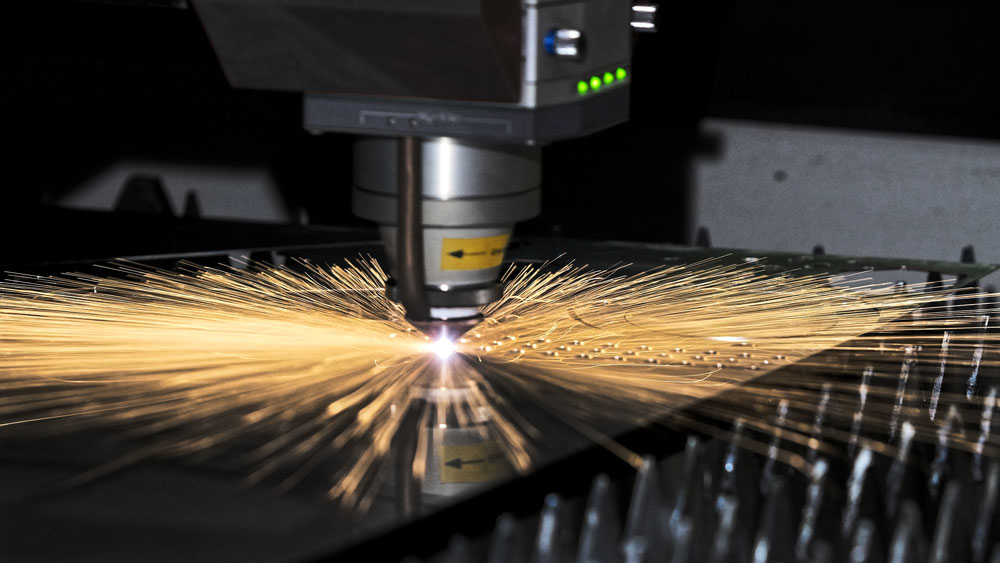
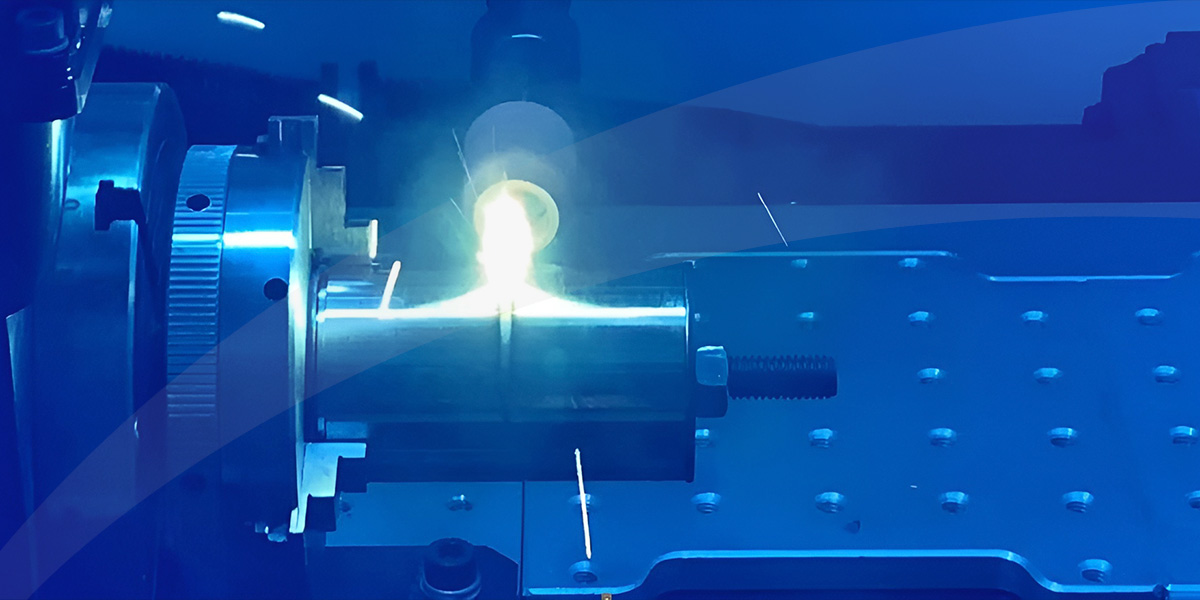
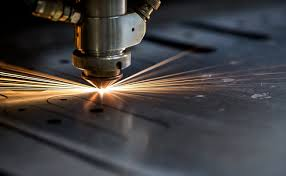
Laser cutting is a thermal cutting process in which a focused, high-power laser beam melts and vaporizes material along a programmed cut path, producing a narrow kerf and a clean cut edge on the workpiece. The process is controlled by a CNC motion system that moves the laser head across the material according to the geometry defined in your flat pattern file, allowing complex profiles, tight internal radii, and fine feature details to be cut without mechanical contact between the cutting tool and the workpiece.

At Top Proto, we use fiber laser cutting systems for metal sheet processing. Fiber lasers deliver higher beam quality, greater energy efficiency, and better cut edge quality than CO2 systems across the full range of metal materials and thicknesses we process. Our cutting tables accommodate sheet sizes up to 3000 x 1500mm, and our systems are calibrated and maintained to maintain cut accuracy across the full working envelope.

Our Fabrication Services

Laser Cutting

Fiber laser cutting of flat sheet metal to produce profiled blanks, panels, and components with accurate external contours, internal cutouts, and hole patterns. Suitable for prototype and production quantities across a wide range of metals and thicknesses.

Sheet Metal Fabrication

Complete fabrication workflow from flat stock to finished part. Laser cutting is the first operation in most sheet metal programs, followed by press brake bending, welding, and surface finishing in our integrated facility.

Metal Bending

Press brake bending of laser-cut blanks to produce three-dimensional sheet metal parts with accurate bend angles, consistent radii, and controlled flange lengths. Parts move from laser cutting to bending without leaving our facility.

Aluminium Extrusion

Custom aluminum extrusion profiles for applications requiring constant cross-section geometry along a defined length. Complementary to laser cutting for programs requiring both sheet metal components and extruded structural members.

Why Choose Top Proto for Laser Cutting Services?

Top Proto integrates laser cutting with our complete sheet metal fabrication workflow. Parts cut on our laser systems move directly to press brake bending, welding, or surface finishing operations in the same facility, without the handling delays and potential for dimension mismatch that occur when cutting and forming are performed by separate suppliers.

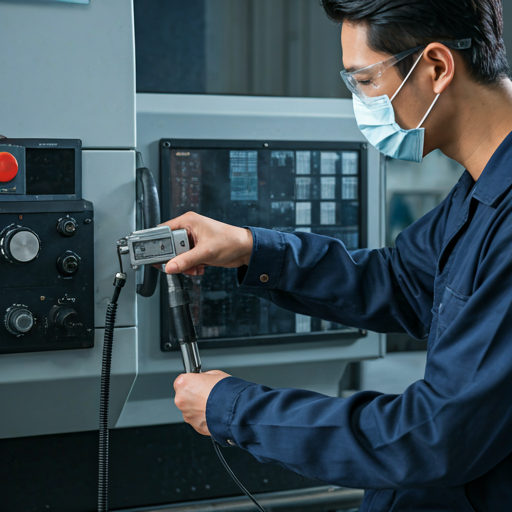
Our laser cutting programs are generated from your DXF or CAD files by our CAM engineers, who apply nesting optimization to minimize material waste and confirm that cut parameters — laser power, cutting speed, assist gas type, and focus position — are set correctly for your material grade and thickness. Every laser cut part is inspected dimensionally against your drawing before it proceeds to secondary operations or shipment.

Materials for Laser Cutting

Fiber laser cutting is compatible with a broad range of electrically conductive and thermally responsive metals. Material selection affects the required laser power, assist gas type, cut speed, and achievable edge quality.
Metal Materials
Mild Steel

(S235 / A36)
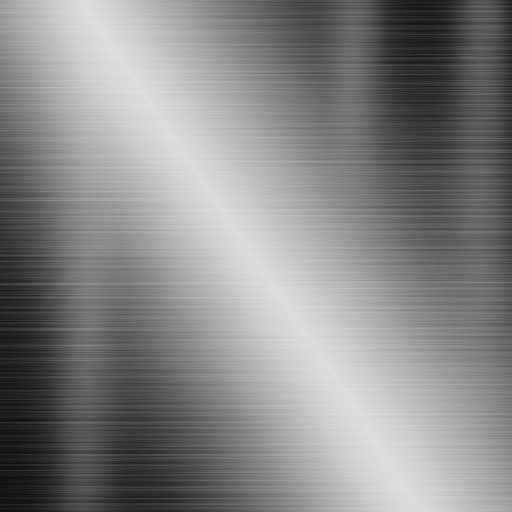
Stainless Steel

304 / 316
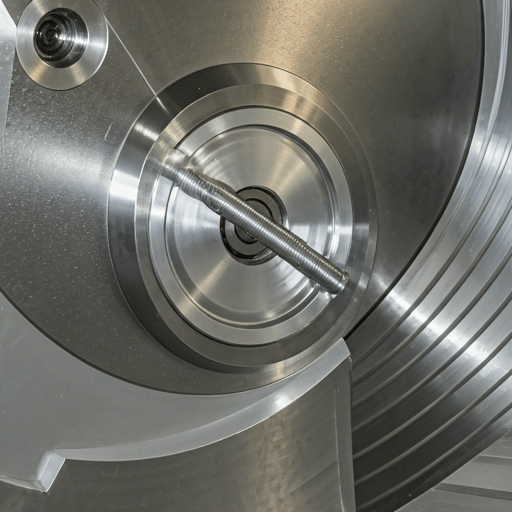
Aluminum

5052 / 6061
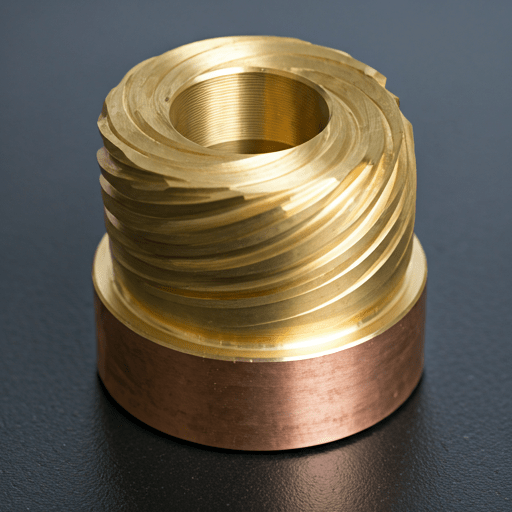
Copper

(C101)
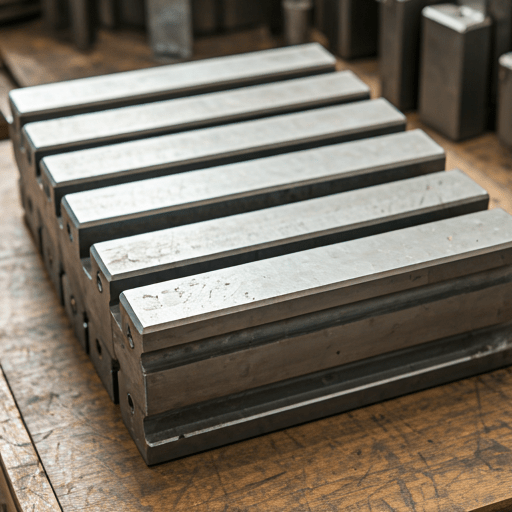
Brass

(C260 / C360)

Galvanized Steel
Spring Steel
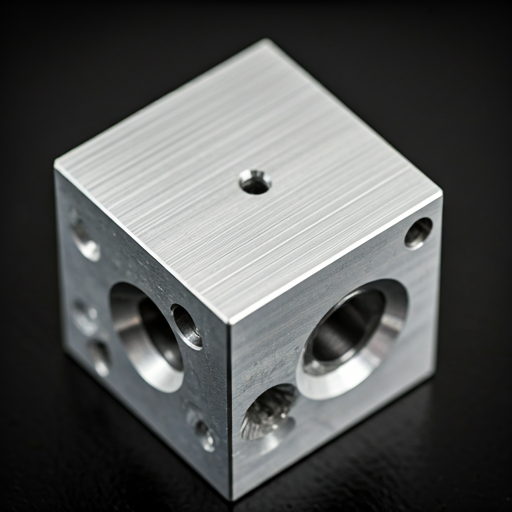
As Cut — Clean Edge
Parts delivered with clean, burr-free cut edges produced by nitrogen assist cutting. The cut face shows a fine striation pattern typical of fiber laser cutting. Suitable for parts proceeding to bending, welding, or direct use without coating.
As Cut — Oxidized Edge
Parts cut with oxygen assist on mild steel produce a thin oxide layer on the cut face. This condition is standard for structural steel parts that will be painted or powder coated, where the oxide layer promotes paint adhesion.
Deburring
Light mechanical or vibratory deburring applied to remove sharp edges and minor burrs from cut features. Improves handling safety and ensures consistent edge condition before bending or welding operations.
Powder Coating
Applied after cutting and any bending or welding operations. Electrostatic powder application and heat curing produces a hard, corrosion-resistant surface layer in a full range of RAL colors.
Zinc Plating
Electroplated zinc coating applied to laser-cut mild steel parts for corrosion protection. Suitable for indoor-use structural components, fasteners, and brackets requiring a clean, bright appearance.
Anodizing
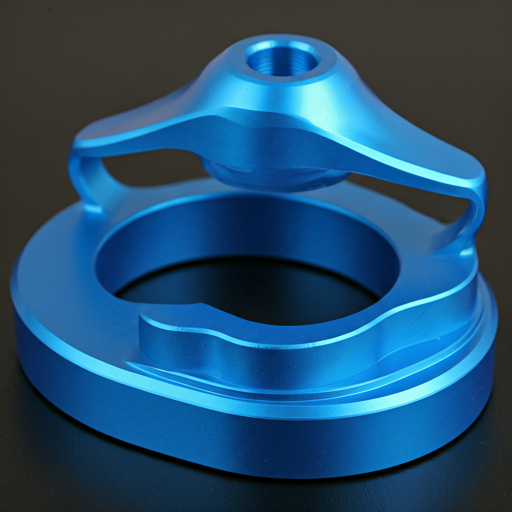
Applied to aluminum laser-cut parts after forming operations. Produces a hard, corrosion-resistant surface layer compatible with 5052 and 6061 alloys.
Brushed Finish
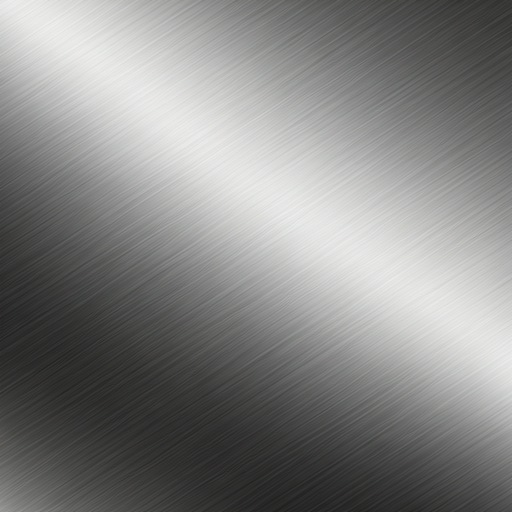
Unidirectional abrasive finishing applied to stainless steel or aluminum panels after laser cutting. Produces a fine linear grain texture for architectural panels, equipment fascias, and decorative enclosures.

Laser Cut Part Surface Finishes

Achieve the exact functional and aesthetic requirements for your machined components with our industry-leading finish gallery.

Laser Cutting Capabilities

Feature

Specification

Laser Type

Fiber laser for all metal materials

Maximum Sheet Size

3000 x 1500mm

Material Thickness — Mild Steel
0.8mm to 25mm

Material Thickness — Stainless Steel
0.5mm to 20mm

Material Thickness — Aluminum

0.5mm to 12mm

Material Thickness — Copper and Brass

0.5mm to 8mm

Cut Tolerance

+/-0.1mm on cut dimensions for standard sheet thicknesses up to 6mm

Minimum Hole Diameter

Equal to or greater than material thickness; minimum 1.0mm for standard thicknesses

Minimum Feature Size

2.0mm for internal features in standard thicknesses; reviewed during DFM for thin materials

Edge Quality

Clean, burr-free edges on standard thicknesses; light slag removal applied where required


Our Laser Cutting Gallery Parts

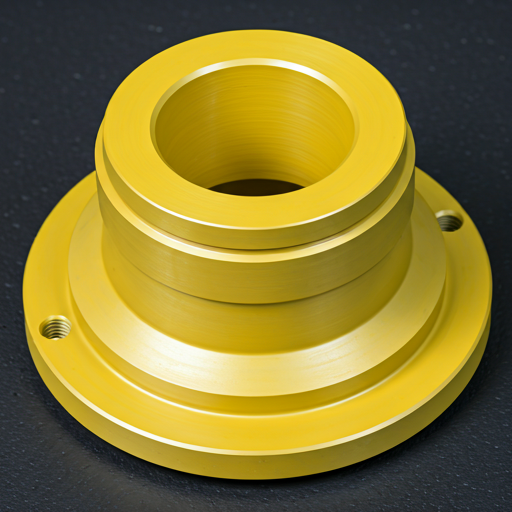
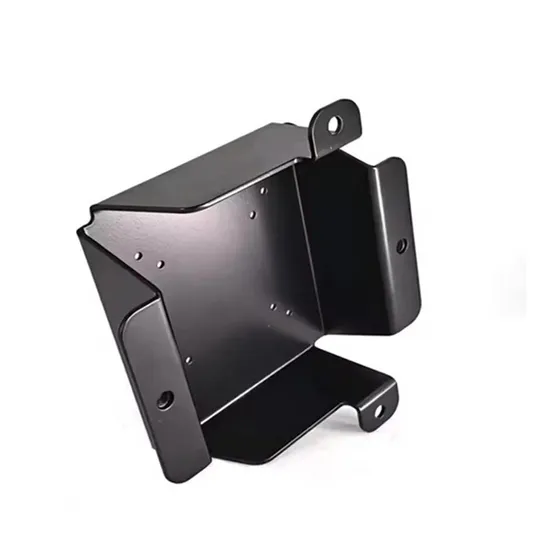
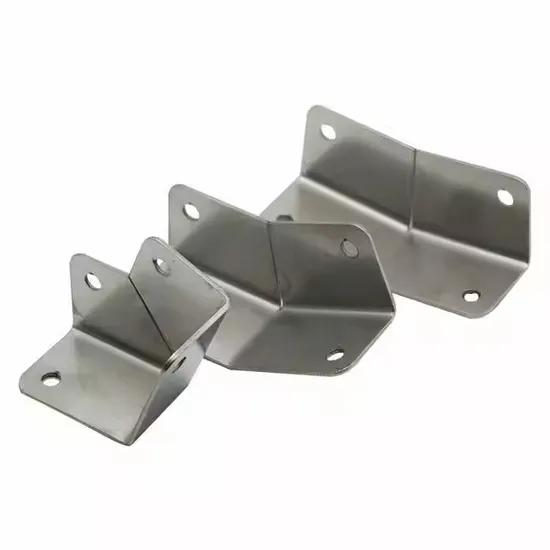
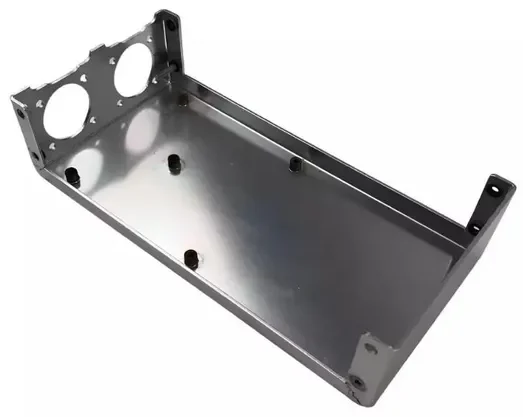
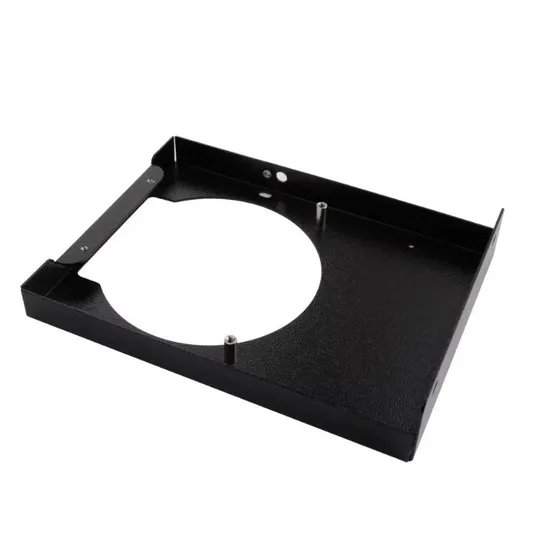
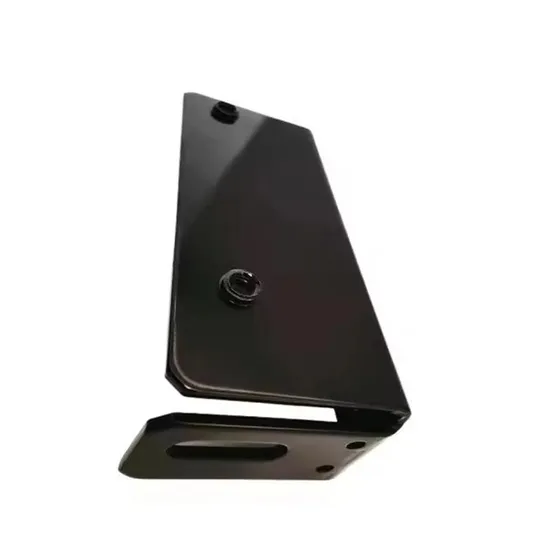
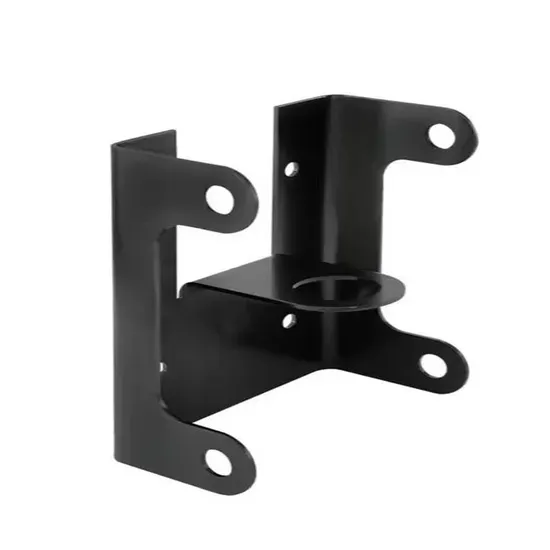
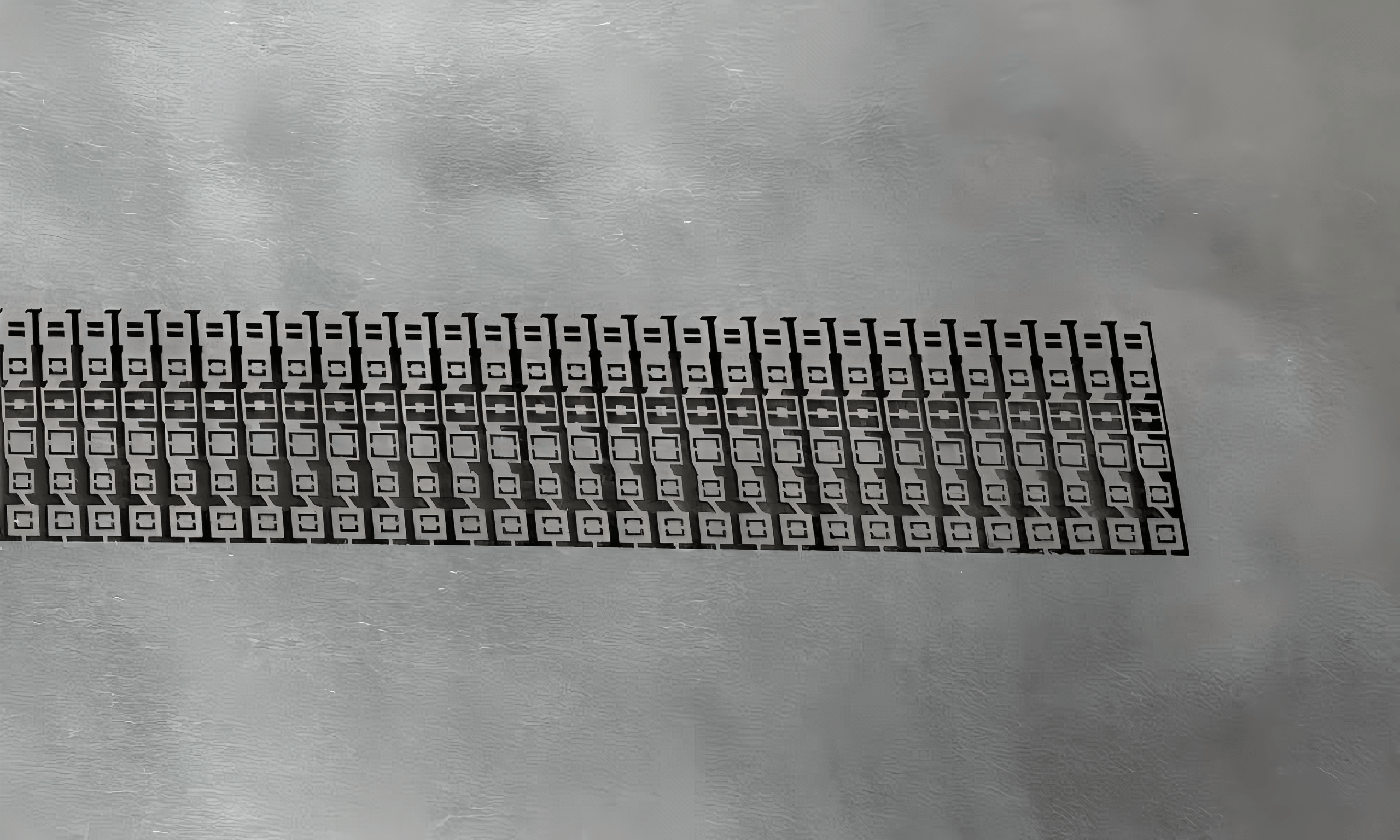
The parts shown here were produced at Top Proto using our fiber laser cutting systems across a range of materials, thicknesses, and industries. Each part was cut from customer-supplied DXF or CAD files, inspected dimensionally before proceeding to secondary operations or shipment, and delivered with full quality documentation. The gallery reflects our laser cutting capability across profiled blanks, panel cutouts, structural components, and complex contour profiles.

Design Guide Line For Laser Cutting

SpecificationDetails
Maximum Part Size2.0 M × 3.0 M
Laser TypeFiber Laser, CO₂ Laser, Nd:YAG
Cutting ThicknessUp to 25 mm (depending on material type)
Tolerances± 0.1 MM
MaterialsSteel, Aluminum, Brass, Copper, and more
Cutting AreaUp to 3000 MM
SpeedHigh-speed precision cutting
Lead Time5 days or more
ApplicationsPrecision parts, prototypes, and complex geometries

Industry Expertise at Top Proto

Top Proto has direct production experience across nine industries, each with its own dimensional tolerance standards, material certification requirements, and quality documentation expectations. We do not apply a generic machining approach to every sector — our engineering team reviews your industry-specific requirements before production begins and applies the process controls, material sourcing, and inspection methods appropriate for your application.

Rapid Tooling

Laser cutting does not require dedicated tooling — parts are cut directly from your DXF file using programmed laser parameters without molds, dies, or fixtures. This makes laser cutting one of the fastest manufacturing processes for prototype flat sheet metal parts, with lead times from three to five business days for standard materials and thicknesses. Design changes are implemented by updating the CAD file, with no tooling modification costs.

Production Tooling

For high-volume laser cutting programs, Top Proto optimizes cutting nest layouts to maximize material utilization and minimize per-part cost at scale. For programs transitioning from laser cutting to stamping at high volumes, our tooling team can design progressive die tooling to reduce cycle time while maintaining the same part geometry. The transition point from laser cutting to stamping depends on your annual volume, part complexity, and required edge quality.

Made in China. Precision You Can Rely On.

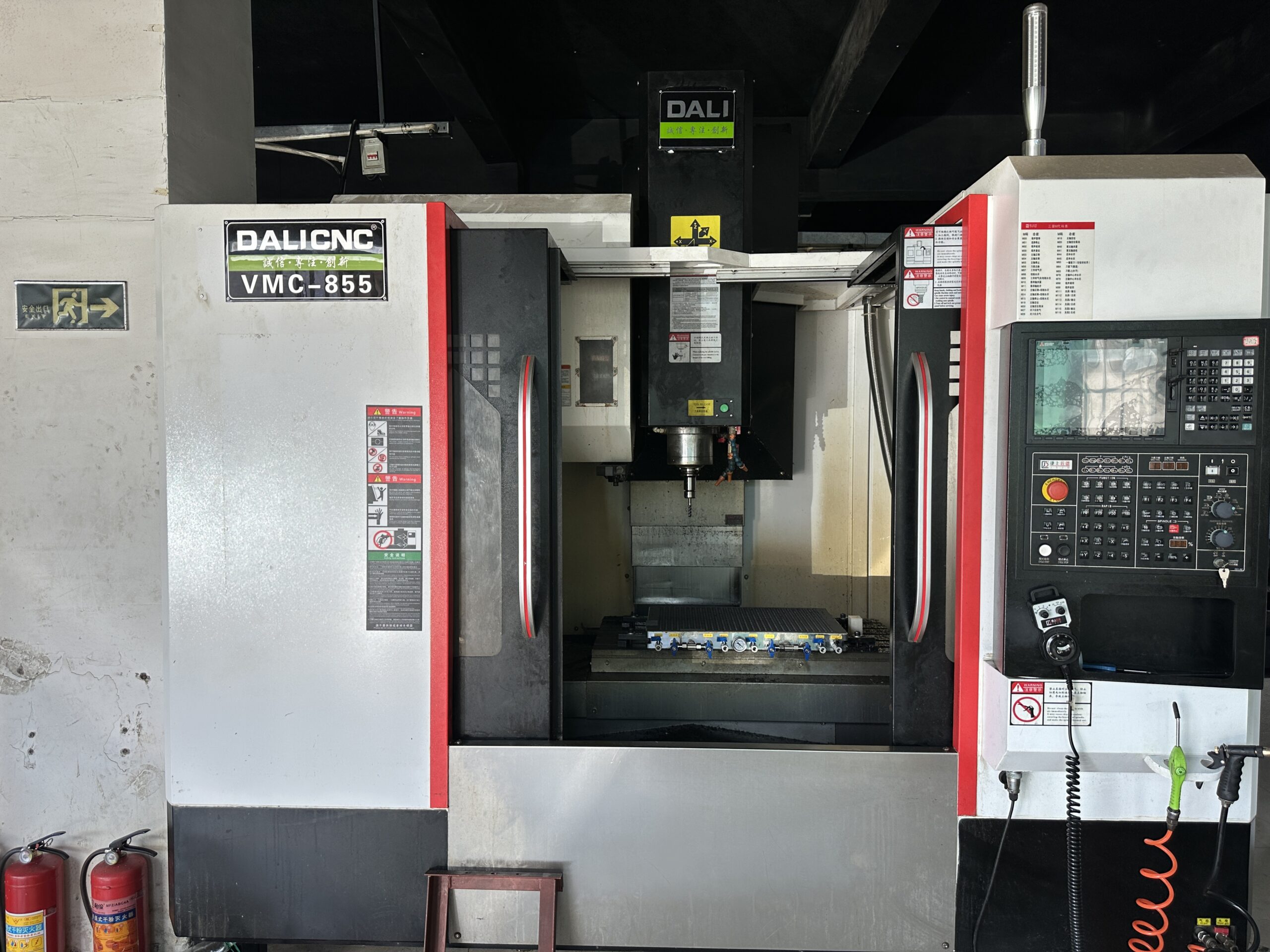
Top Proto operates from Shenzhen, Guangdong, China — the global hub for precision manufacturing, advanced component supply chains, and technology production. Our facility houses over 300 CNC machining centers, injection molding presses, sheet metal fabrication lines, and 3D printing systems operating under a unified ISO 9001:2015, ISO 13485, IATF 16949:2016, and AS9100D certified quality management system. Skilled technicians and meticulous in-process inspection at every production stage ensure that custom metal and plastic parts are delivered to specification — with the dimensional inspection reports to prove it.
300+

Machines Running at Peak Efficiency

0.005mm

Ultra-Fine Tolerances Achievable

24 Hrs

Lead Times Starting From

50+

Engineering Materials Available

Choose Us for Flexible Pricing and Quick Delivery

At TOP PROTO, we know price and timeline go hand in hand. Our CNC machining services can work around your budget and deliver on your deadline. Get a quote instantly and select the service to meet your requirements.

  • Competitive pricing with quality always remains.
  • Fast lead time to complete the project quickly.

What Makes Top Proto Different from Others

Instant Smart Quoting
Get quick pricing and DFM insights to optimize designs and reduce costs.
Global Supply Network
Access our global manufacturing network for reliable solutions of all sizes.
Certified Quality Control
Strict inspection protocols for every part. We ensure 100% accuracy and high standards.
Fast Reliable Delivery
Punctual shipping for all custom orders. Your projects always stay on schedule.

Pros of Laser Cutting

How We Works – 3-Stages Workflow

We guarantee that CNC parts are delivered on time and that the process is completely transparent in the following 3 simple steps:

Upload Your Files

Instant prices with DFM feedback for many file types.

We Manufacture Your Parts

You can select from many materials and methods.

Tracking and Receiving Your Parts

View the QC documentation and inspection photographs.

Frequently asked questions

We accept DXF, DWG, STEP, and IGES files for laser cutting. DXF flat pattern files are preferred as they directly define the cut geometry without requiring a CAM conversion step. For 3D CAD files, our team generates a flat pattern before programming the laser. All files are reviewed for manufacturability before cutting begins.

The minimum hole diameter is equal to the material thickness for standard cutting conditions, with a minimum of 1.0mm for thin sheet materials. Holes smaller than the material thickness require reduced cutting speed and may show slightly larger heat-affected zones. Our engineering team reviews minimum feature sizes during the DFM process.

Our fiber laser cutting systems hold cut tolerances to +/-0.1mm on external dimensions and hole positions for standard sheet thicknesses up to 6mm. Tolerance achievability is reviewed for thicker materials and complex geometries during the DFM process. Every part is measured against your drawing before shipment.

Our fiber laser systems are optimized for metal cutting. For non-metallic materials including acrylic, wood composites, and certain engineering plastics, different laser parameters are required. Contact our team with your material specification and we will advise on capability and suitability.

Oxygen assist gas reacts with the cut material to produce additional heat, increasing cut speed in mild steel but leaving an oxide layer on the cut face. Nitrogen assist gas is inert and produces clean, oxidation-free cut edges suitable for stainless steel, aluminum, and mild steel parts that require a clean surface before painting or coating. The appropriate assist gas is selected based on your material and downstream processing requirements.
CNC Manufacturing Resources

Technical guides and process comparisons from the Top Proto engineering team, covering material selection, process decision frameworks, and manufacturing design principles for engineers and product developers.