Custom Injection Molding Services
- All uploads are secure and confidential
Get instant pricing, project lead times, and DFM feedback.
- All uploads are secure and confidential.
What Is Injection Molding?
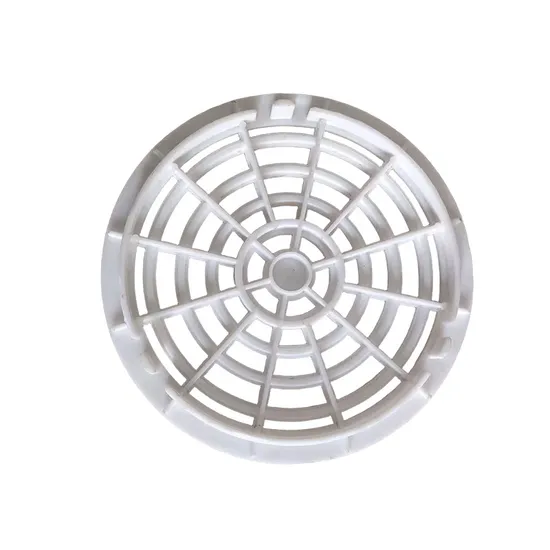
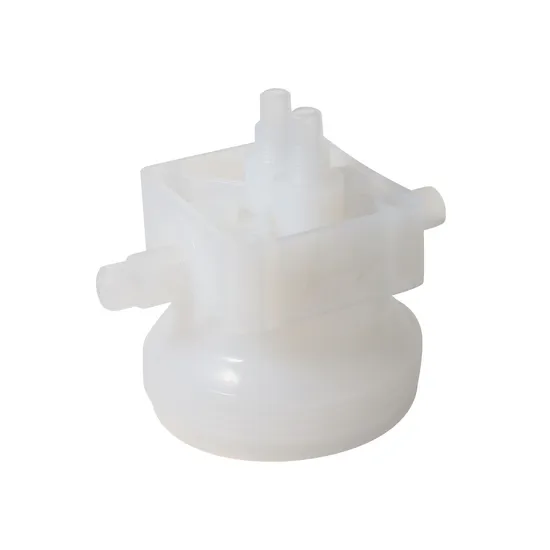
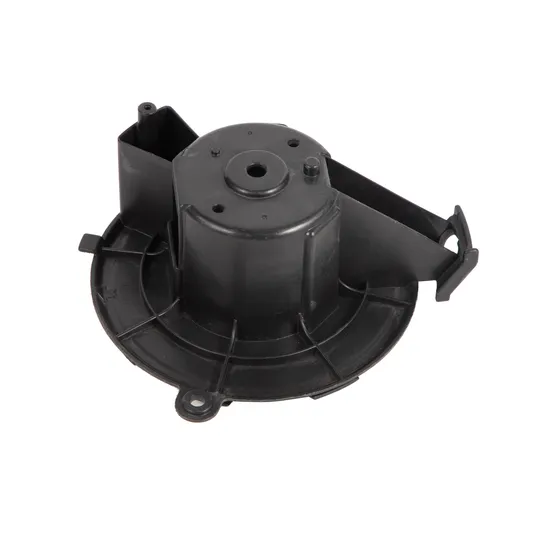
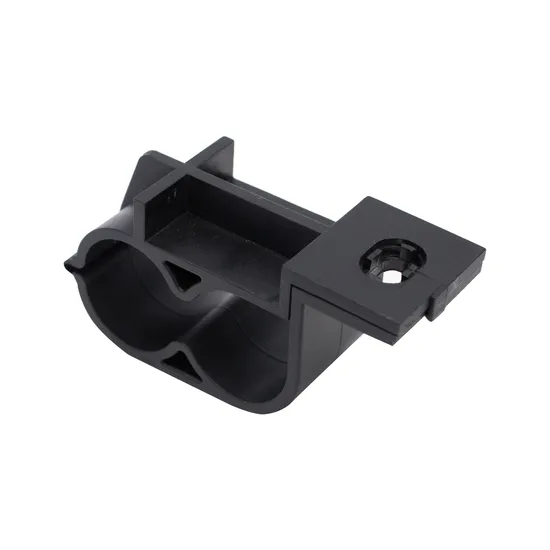
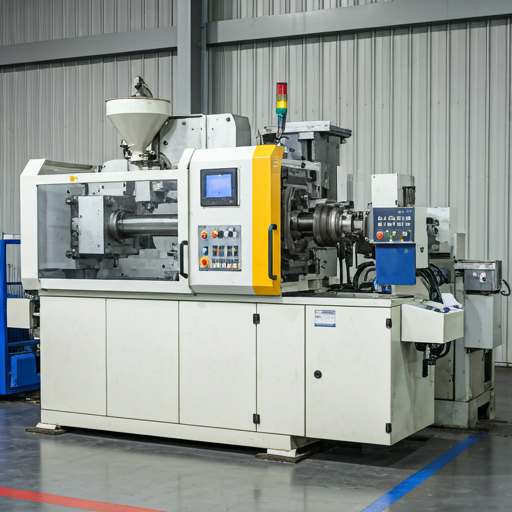
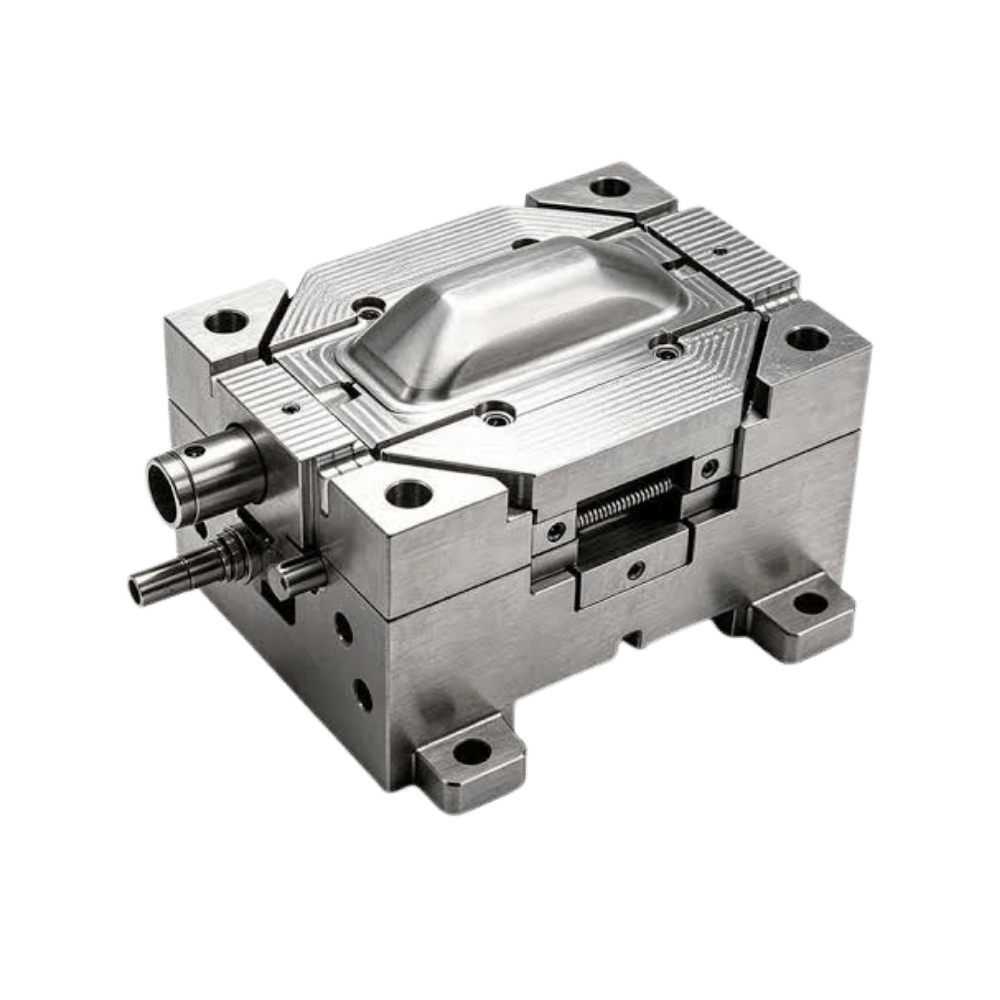
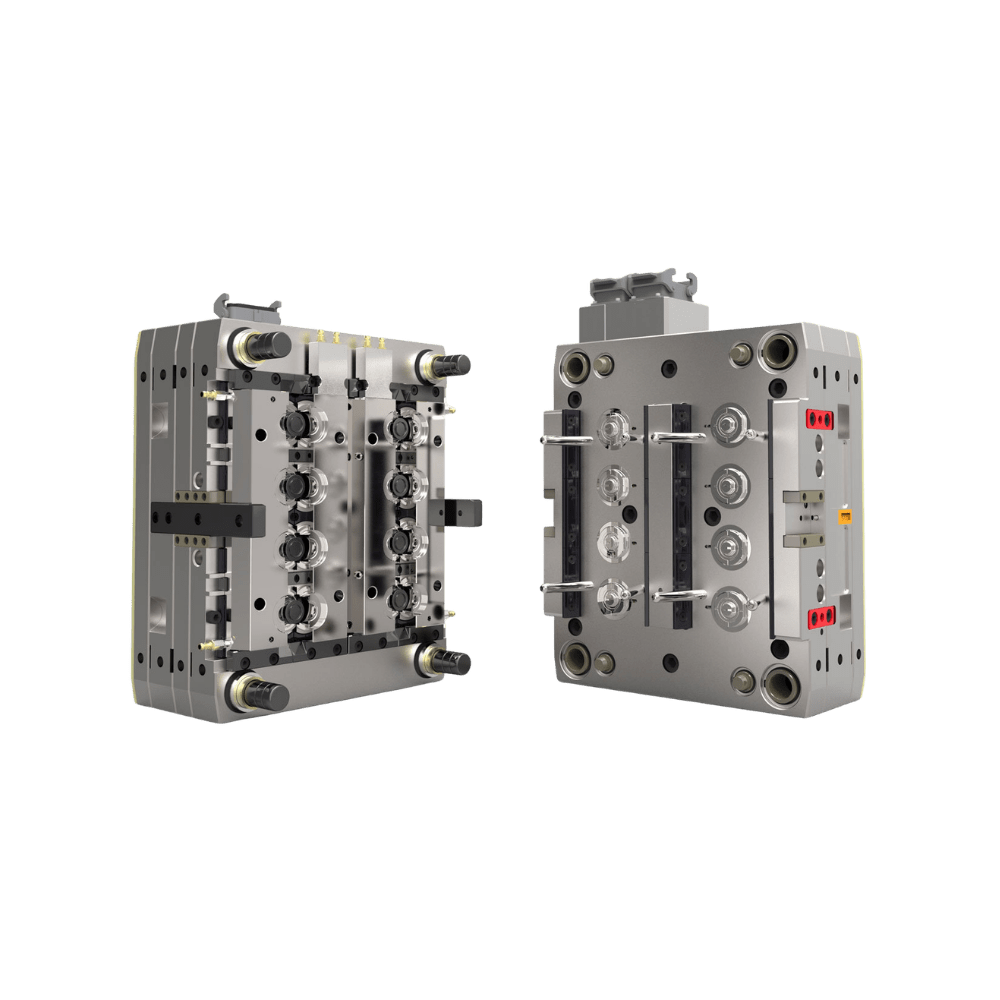
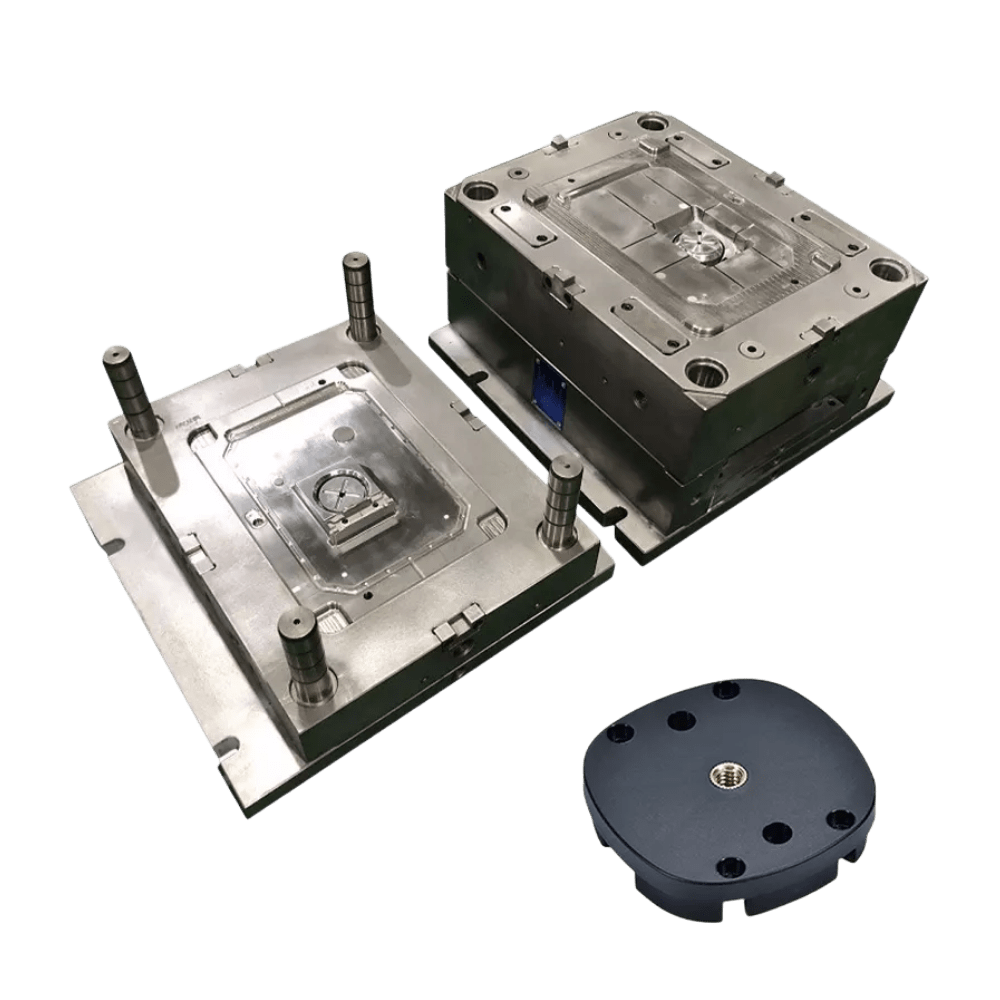
Injection molding refers to making a part or a component using a specially engineered and built mold that has already been made in advance and injecting molten plastic into it. No further machining can usually be done after the part has been made in order to achieve repeatability; therefore, the design must accomplish the desired function within the parameters of plastic, the manufacturing process, and the shape of the mold. For a range of production and to keep the cost down, it is a manufacturing process that is used to produce parts of medium to higher volumes of plastic and offers consistency in quality.
Plastic Injection Molding Services for Custom Parts
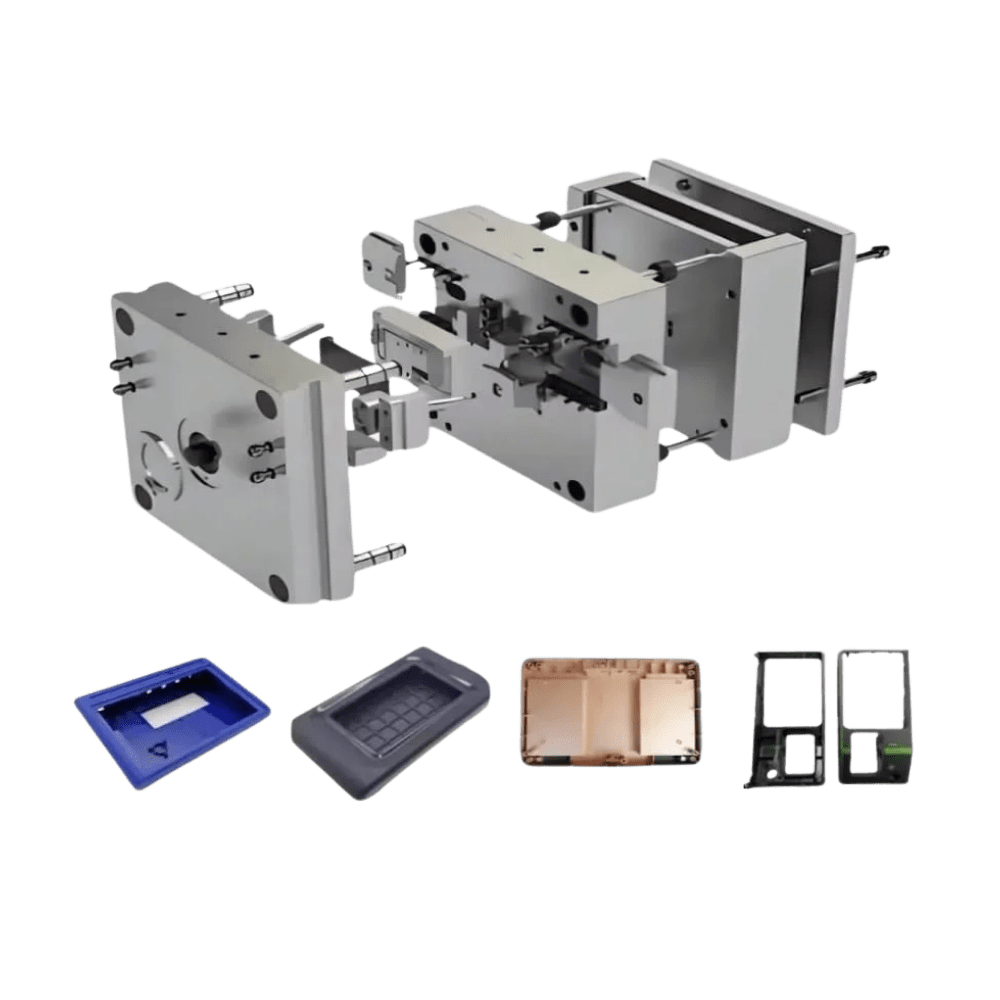
New overmolding technologies which incorporate materials into a single uninterrupted component with enhanced grip, strength and functionality.
Insert molding involves the incorporation of metal into plastic material to enhance the strength and saves on the time and cost of assembly.
Why Choose Us for Injection Molding Services?
Top Proto brings together the engineering, the advanced technology for tool and die making, and ultrasonic and CNC computers for the precise operation of CNC machines for fast and reliable injection services and solutions. We assist with the custom design of injection molds, and assist with analysis of the flow of melt and mold, and optimize the design, the analysis, and flow of melt and mold, and engineering design of injection molds for better quality control and more quality molds at lower production costs.
In the digital workflow, you will be able to use your CAD software to upload your design and get a fast and firm quote. You will be able to rapidly move into the process of tooling and production with confidence. Our quality systems are aligned with ISO systems, and we perform quality control inspections during the production of the molded parts, We provide and control your required fit-to-sample, finish, and performance, and quality control and production are fast and repeated so you will get the molded parts required in your batch after the batch to meet your needs.
Materials for CNC Machining Services

6061, 7075-T6, 2024

304, 316L, 17-4 PH

Grade 5 (Ti-6Al-4V)

D2, A2, O1

General Purpose

Optical Grade

PA6, PA66

Low Friction

Teflon, High Temp

Flame Retardant
Injection Molding Surface Finishes
From industrial performance to aesthetic perfection, our expanded range of finishes meet rigid MIL-SPEC and aerospace standards for all injection molded components.
Injection Molding Design Guide Line
| Feature | Description |
|---|---|
| Maximum Part Size | Up to 1300 × 900 × 500 MM, depending on material and mold design |
| Minimum Part Size | As small as 6 × 6 × 6 MM |
| Part-to-Part Repeatability | ± 0.08 MM |
| Mold Cavities | Single-cavity, multi-cavity, family molds |
| Supported Mold Materials | Aluminum for rapid tooling, hardened steel for production tooling |
| Cavity Tolerances | ± 0.015 MM on functional features |
| Secondary Operations | Texture finishing, labeling, tapping, ultrasonic welding |
| Undercut Handling | Slides, lifters, collapsible cores |
| Wall Thickness Range | 0.6 MM – 4.5 MM |
| Draft Angle | Recommended 1° – 3° depending on surface finish |
| Ribs & Gussets | 0.6 – 2.5 MM thickness |
| Boss Design | Diameter 3 MM – 12 MM |
| Typical Lead Time | Tooling in 15–25 working days |
Our Injection Molding Gallery Parts
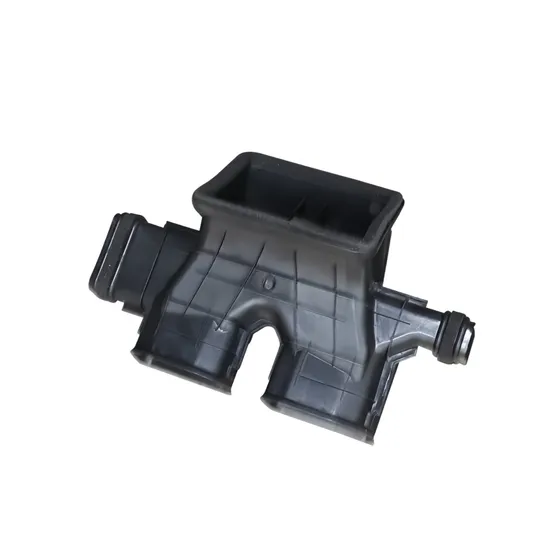
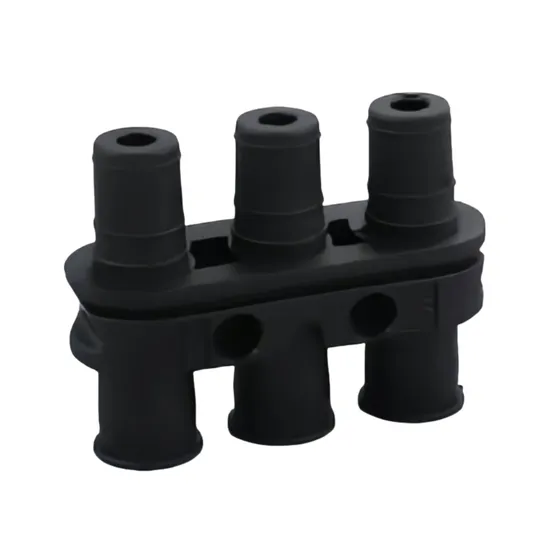
Explore our portfolio of high-precision components, showcasing advanced technology and engineering excellence. From intricate milling to high-speed turning, each part reflects our commitment to ISO-certified quality and technical perfection.
Rapid Tooling
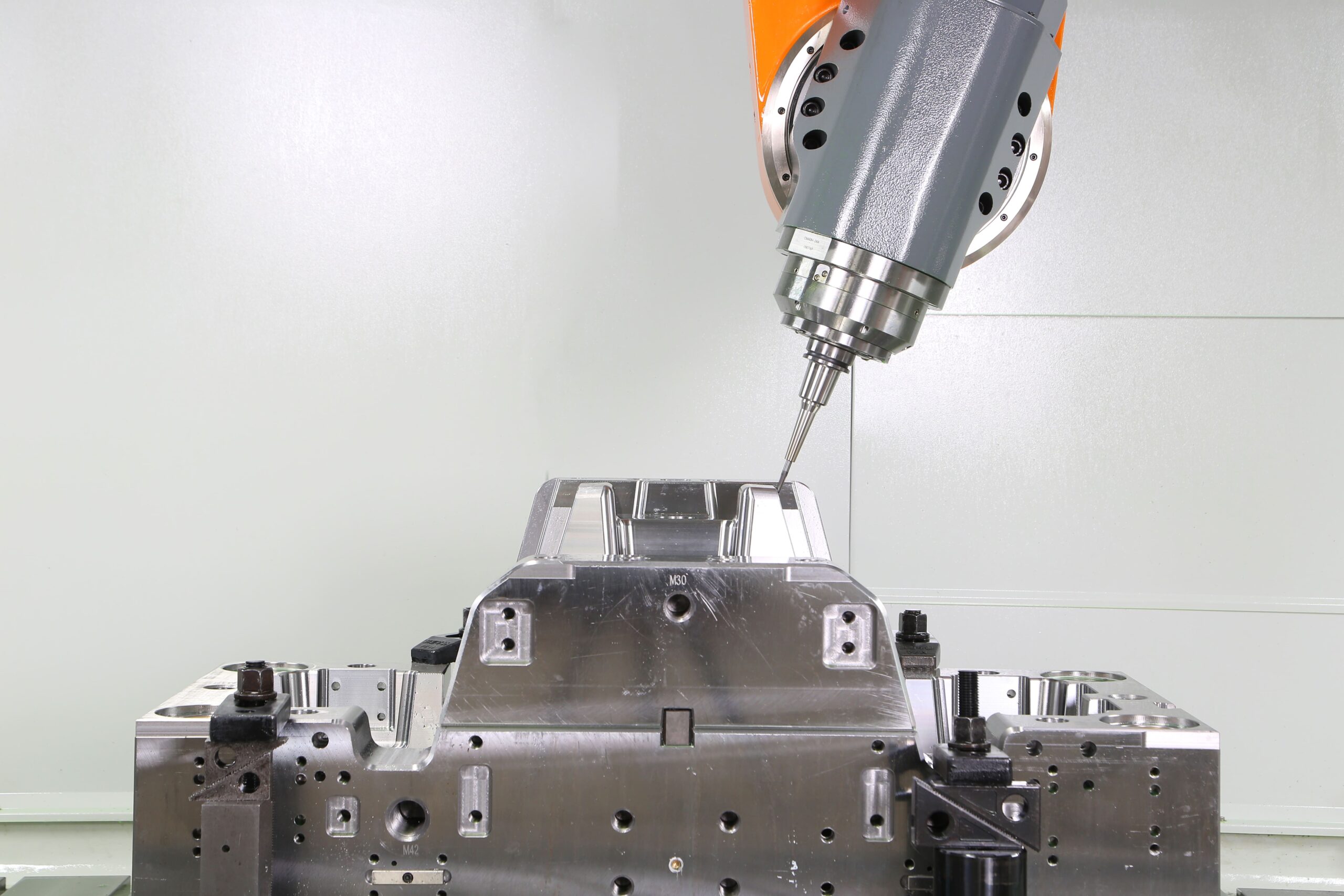
Rapid tooling let’s you go faster to go from an idea to functional parts. With our advanced CNC machining service, we create molds and tooling with precision needed to test designs, validate fit, and function and bring products to market faster. It’s perfect for prototypes, low volume runs, and early-stage development where outworking competitors is critical and precision matters most.
Production Tooling
For our production tooling, we prioritize long-term durability. With top grade materials and precision CNC machining, we make tooling that allows full-scale production without losing accuracy. If you need thousands of the same parts, and even with batch production, we deliver consistent, reliable tooling and stable production cycles.
How We Works – 3-Stages Workflow
We guarantee that CNC parts are delivered on time and that the process is completely transparent in the following 3 simple steps:
Upload Your Files
Instant prices with DFM feedback for many file types.
We Manufacture Your Parts
You can select from many materials and methods.
Tracking and Receiving Your Parts
View the QC documentation and inspection photographs.
Pros of Injection Molding
- Long Lasting:Made with guide tool steels, these molds last a long time..
- Accuracy: Ideal for product consistency and quality over long production runs.
- Cost Efficient : Perfect for short to long runs with little variation in product needs.
- High-quality Finish: Provides high-quality surfaces.
- Design Variety:Can accommodate detailed geometries and additional components.
- Short Turnaround: More efficient cooling systems and part ejectors produce in less time.
Frequently asked questions
Which are the injection molding materials?
We advocate thermoplastic plastics like ABS, Nylon, PP, PE, PC and also engineering grade plastics when necessary within the application.
What is the length of injection mold tooling?
The process of tooling may require an average of 3-6 weeks based on both the requirements of the mold and the materials.
Are you able to support low volume and mass production?
Absolutely. We offer injection mold designs and manufacturing to do prototyping, small production run, and to mass production.
Is it your company offering mold flow analysis?
We do. A mold flow analysis can be provided to assist in the design in order to balance the mold, enhance quality, and consistency.
What is the level of tolerance that can be obtained with injection molding?
The tolerances are down to +-0.002 mm but may be dependent on the design, materials used, etc.