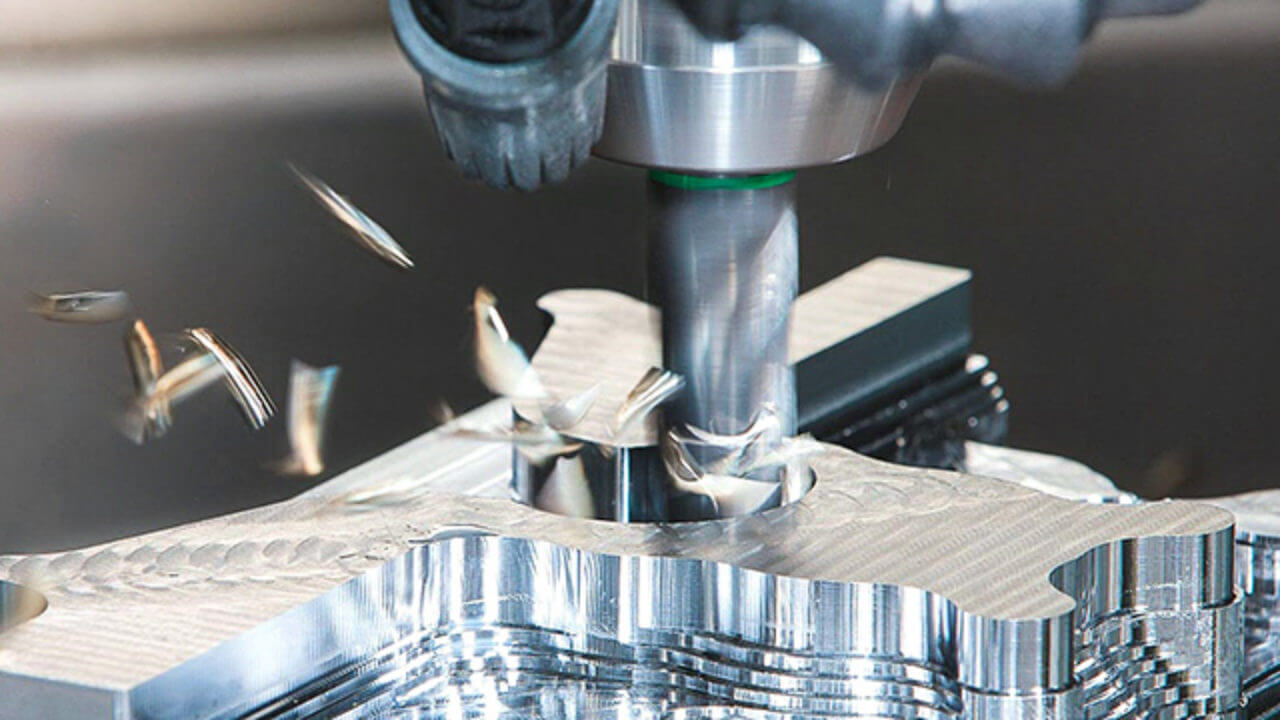
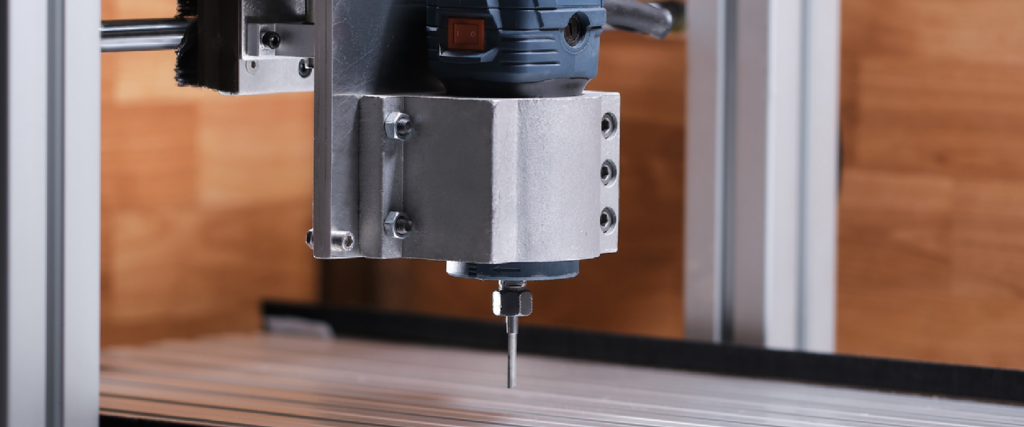
Top Proto provides high accuracy in CNC routing that produces clean cuts, repeatable results, and a quick turnaround time, also of prototyping or production parts.
Computer controlled cutting is known as CNC routing which involves shaping and engraving a material in high precision.
It also applies well on wood, plastics, composite, foam and soft metals; hence it is suitable for flat parts, panels, signage, and repetitive production that demands clean edges and fast production.
Top Proto provides high-quality, fast, accurate cuts, clean cuts, and predictable outcomes of its CNC routing.
We accept a broad spectrum of materials such as wood and plastics as well as composite and soft metals.
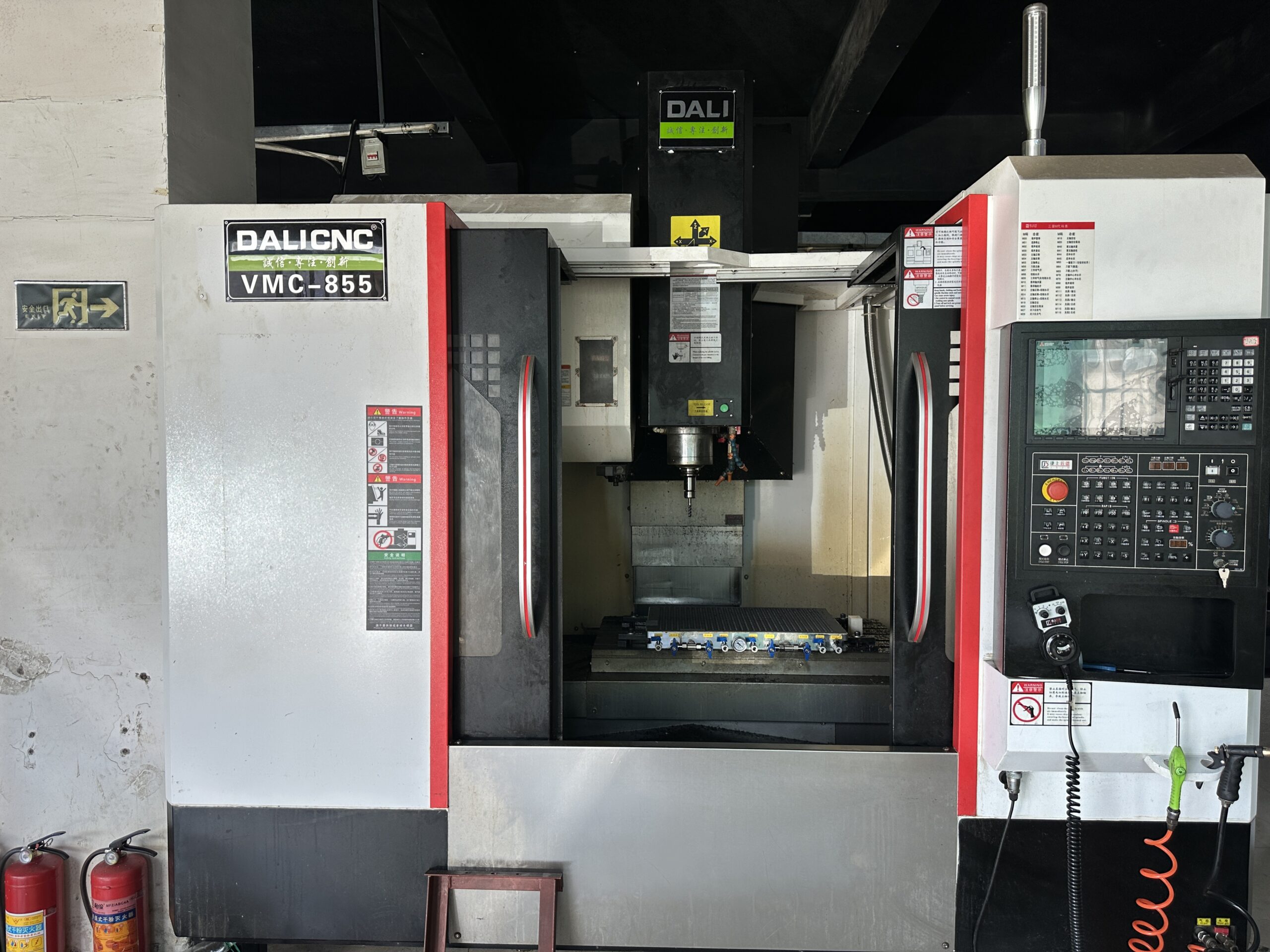
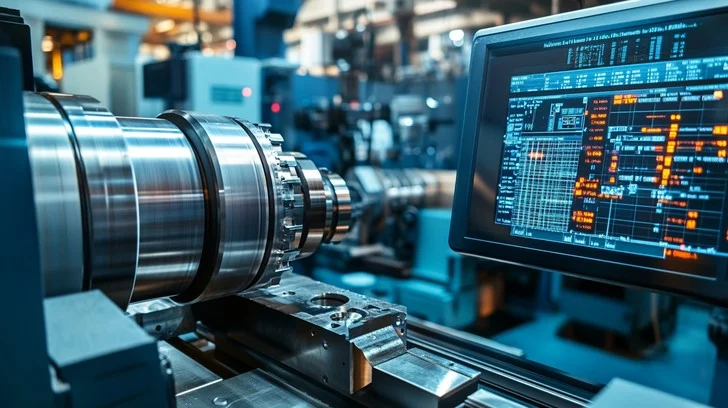
We have high-end CNC routers which guarantee quick turnaround of prototypes as well as production.
You will find an economical routing service that is guaranteed by a high quality control.
The experienced team optimizes the designs to be better machinable and with less wastage.
Why Top Proto to provide CNC routing services?
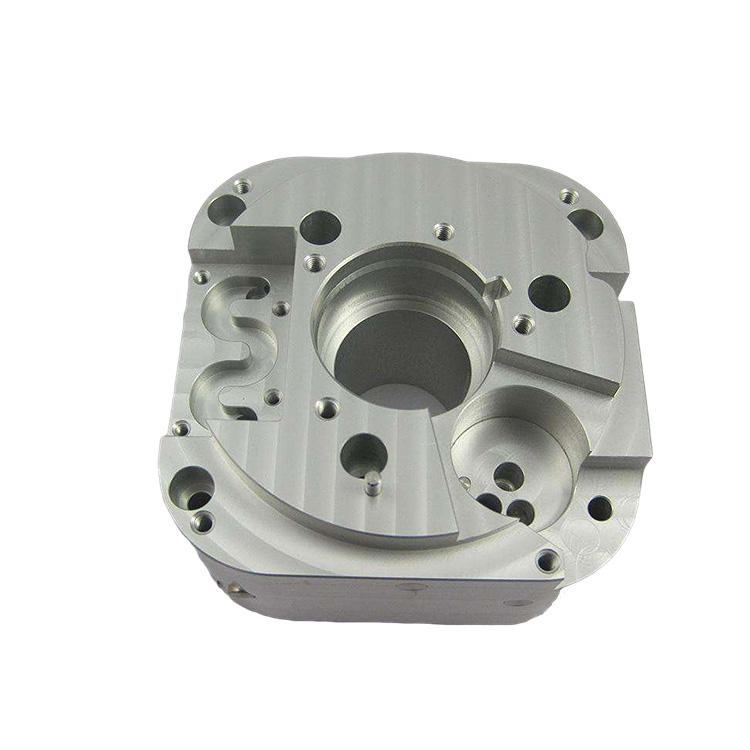
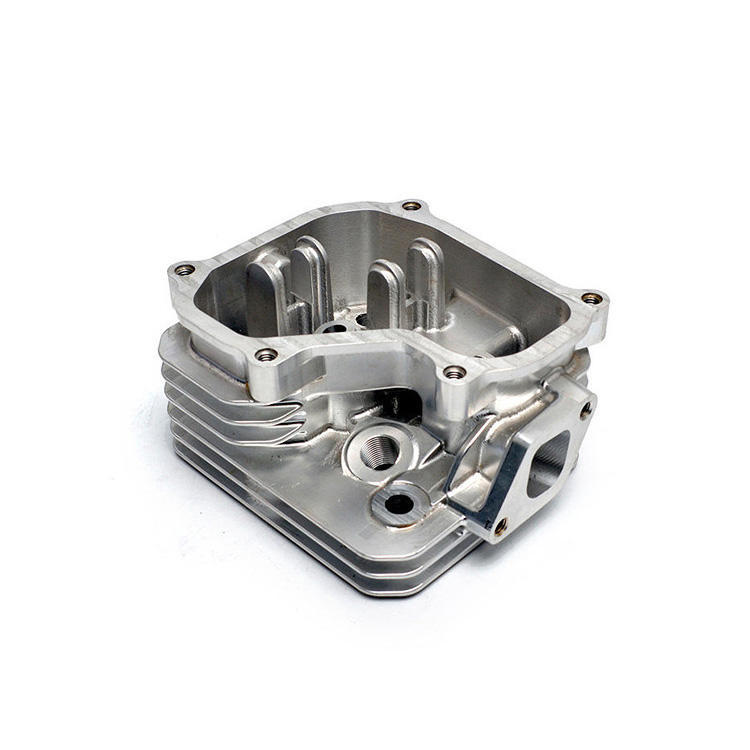
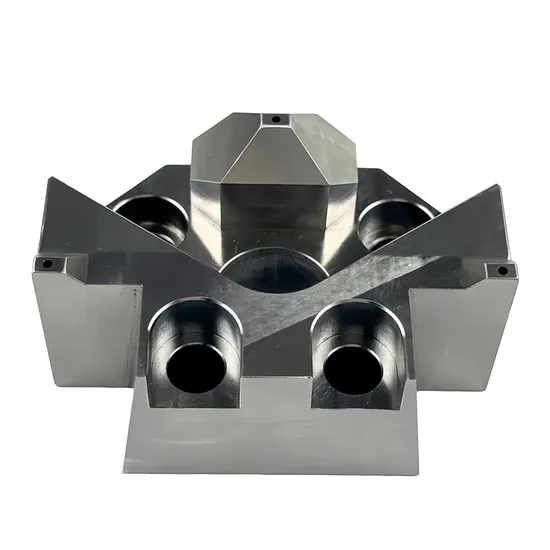
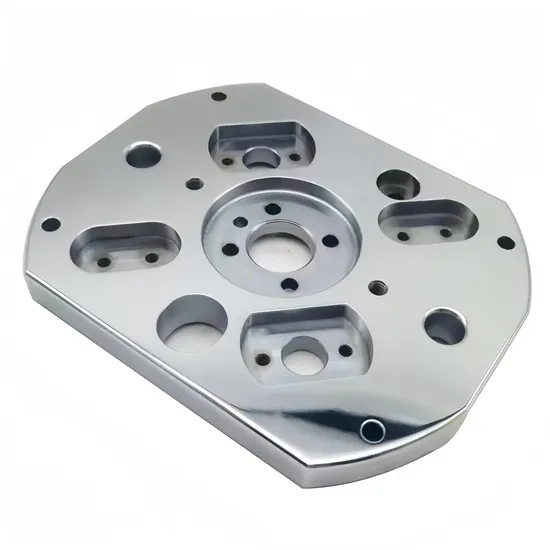
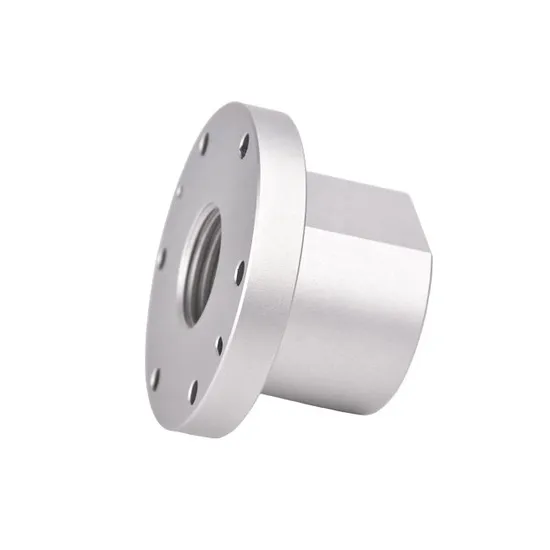
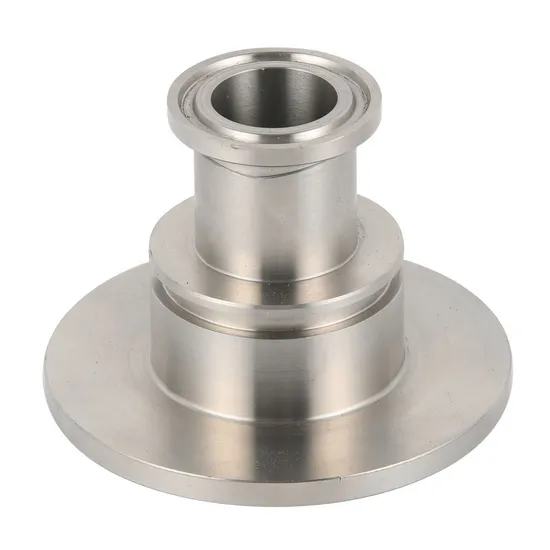
Our CNC CNC Routing Gallery Parts
Explore our portfolio of high-precision components, showcasing advanced technology and engineering excellence. From intricate milling to high-speed turning, each part reflects our commitment to ISO-certified quality and technical perfection.
Rapid Tooling
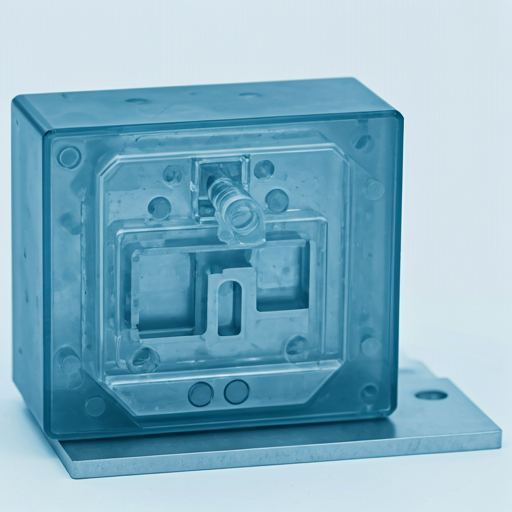
Rapid tooling let’s you go faster to go from an idea to functional parts. With our advanced CNC machining service, we create molds and tooling with precision needed to test designs, validate fit, and function and bring products to market faster. It’s perfect for prototypes, low volume runs, and early-stage development where outworking competitors is critical and precision matters most.
Production Tooling
For our production tooling, we prioritize long-term durability. With top grade materials and precision CNC machining, we make tooling that allows full-scale production without losing accuracy. If you need thousands of the same parts, and even with batch production, we deliver consistent, reliable tooling and stable production cycles.
Design Guidelines For CNC Routing
Feature
Guideline
Internal Corners
Use corner radii to avoid stress concentration.
Wall Thickness
Maintain a minimum of 1.0 mm for structural stability.
Slot & Pocket Width
Design slots at least 1.5× the tool diameter.
Hole Diameter
Minimum hole size of 2.0 MM for accurate routing.
Part Flatness
Ensure even material thickness to prevent warping.
Edge Distance
Keep features at least 2× material thickness from edges.
Text & Engraving
Use stroke width ≥ 1.0 MM for clear readability.
Material Grain Direction
Align cuts with the grain direction for wood-based materials.
Industry Expertise at TOP PROTO
Direct production experience across nine sectors — with the dimensional standards and quality documentation each one requires.
Battery housings, EV drivetrain components, and solar assembly parts. Aluminium, stainless steel, and engineering plastics.
Made in Shenzhen. Precision You Can Verify.
One facility running eight manufacturing processes under a single ISO 9001:2015 certified quality management system.
±0.005 mm
Tolerance Achievable on CNC
24 Hrs
Quote Turnaround with DFM Review
1
Single Part Accepted — No Minimum Order
8
Manufacturing Processes, All In-House
Choose Us for Flexible Pricing and Quick Delivery
At TOP PROTO, we know price and timeline go hand in hand. Our CNC machining services can work around your budget and deliver on your deadline. Get a quote instantly and select the service to meet your requirements.
Economical:Saves on material wastage and provides cost effective production.
Customizable:Accepts numerous and intricate shapes and profiles.
Large Strength to Weight Ratio:Light but strong enough to be used for many different purposes.
Superior Finish:Coats the surfaces with smooth ones, which are ideal for anodizing and coating.
Productive with large volumes:Enables the rapid and regular manufacturing of large volumes of products.
What Makes Top Proto Different from Others
Instant Smart Quoting
Get quick pricing and DFM insights to optimize designs and reduce costs.
Global Supply Network
Access our global manufacturing network for reliable solutions of all sizes.
Certified Quality Control
Strict inspection protocols for every part. We ensure 100% accuracy and high standards.
Fast Reliable Delivery
Punctual shipping for all custom orders. Your projects always stay on schedule.
Frequently asked questions
What is the difference between CNC routing and CNC milling?
CNC routing and CNC milling are both subtractive machining processes using rotating cutting tools, but they differ in machine configuration, working area, and material suitability. CNC milling uses a vertical machining center optimized for precision cutting of solid block materials with high rigidity and tight tolerances. CNC routing uses a gantry-style machine optimized for flat sheet and plate materials across large working areas at high feed rates, making it suited to large-format panels, composites, and engineering plastics that milling centers cannot accommodate in a single setup.
Can you route carbon fiber and composite materials?
Yes. Top Proto routes carbon fiber composite, fiberglass laminates, and other reinforced materials using diamond-tipped and solid carbide cutting tools specifically selected for composite processing. Composite routing requires controlled cutting parameters to minimize delamination and fiber pullout at cut edges, and our CAM engineers apply composite-specific cutting strategies for each material.
What is the maximum part size you can route?
Our CNC routing tables accommodate workpieces up to 3000 x 2000mm in the standard configuration. For parts larger than this, we can route in sections and design mechanical or adhesive joints to assemble the final component. Contact our team with your part size and we will confirm the appropriate approach.
What file formats do you accept for CNC routing?
We accept DXF, DWG, STEP, and IGES files for CNC routing programs. DXF flat profile files are preferred for 2D routing operations. For 3D contoured surfaces requiring 3-axis routing, STEP or IGES files are required. Our CAM engineers review your file and generate the routing program before production begins.
Can routed parts be combined with CNC machined features?
Yes. For parts requiring both large-format profiling from CNC routing and precision-machined features — bore tolerances, thread locations, and surface finish requirements beyond routing capability — Top Proto sequences both operations within a single production program. The routed blank moves directly to our CNC machining center for secondary operations without leaving the facility.
CNC Manufacturing Resources
Technical guides and process comparisons from the Top Proto engineering team, covering material selection, process decision frameworks, and manufacturing design principles for engineers and product developers.