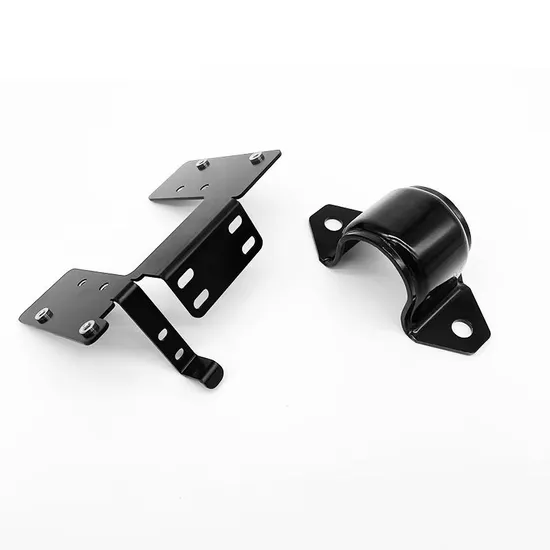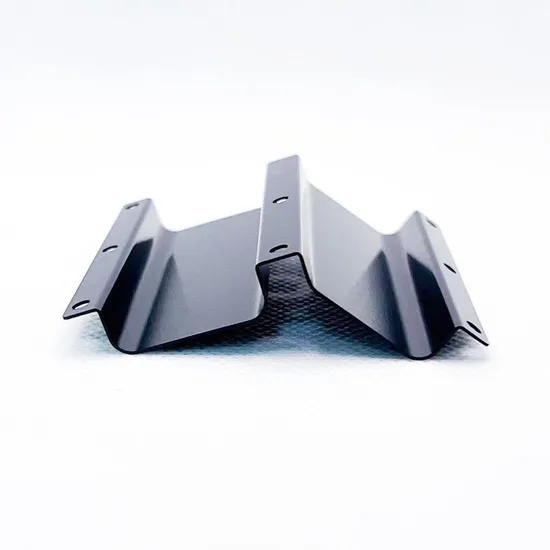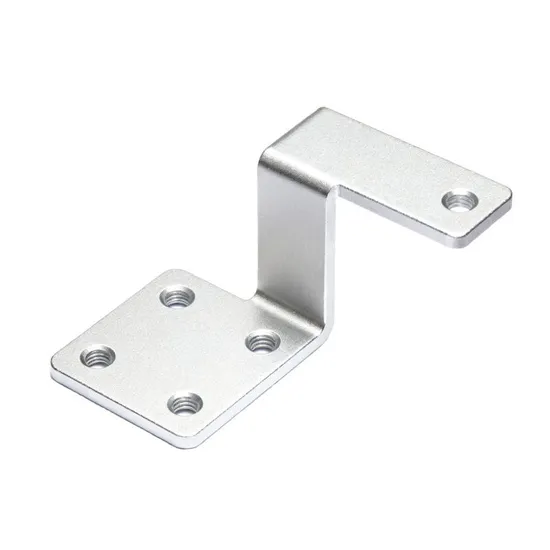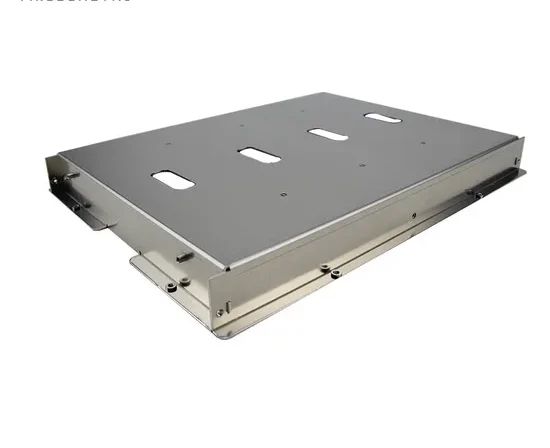
Sheet Metal Bending Services for Custom Formed Parts
Get instant pricing, project lead times, and DFM feedback.
- All uploads are secure and confidential.
What is Sheet Metal Fabrication?
Sheet metal fabrication is a group of manufacturing processes that convert flat metal sheet stock into three-dimensional components by cutting, forming, joining, and finishing operations. Unlike casting or machining from solid block, sheet metal fabrication starts with flat stock of controlled thickness and applies sequential operations — laser cutting, punching, press brake bending, welding, and surface treatment — to produce the final part geometry.
At Top Proto, we work with sheet metal in thicknesses from 0.5mm to 12mm across a broad range of metals including mild steel, stainless steel, aluminum alloys, copper, and brass. Parts are produced from your CAD files or flat pattern drawings, with every operation controlled by programmed machine parameters to maintain dimensional consistency from the first part to the last unit in the production run.
Our Fabrication Services
Sheet Metal Fabrication
Laser Cutting
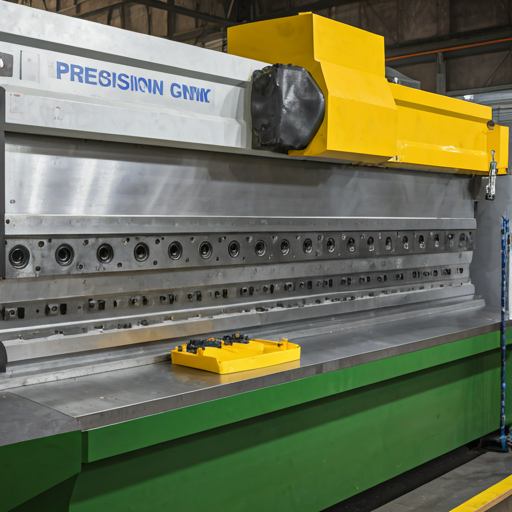
Metal Bending
Welding and Assembly
Materials for Metal Bending Services

(S235 / A36)

304

316

5052-H32

6061-T6

(C101)

(C260)
Metal Bending Surface Finishes
Why Choose Top Proto for Metal Bending Services?
Top Proto operates a complete sheet metal fabrication workflow in-house, from laser cutting and punching through to press brake bending, welding, and surface finishing. This means your fabrication program moves through all production stages within a single facility, under a unified quality management system, without the delays and specification gaps that arise when operations are split across multiple subcontractors.
Our quality management system is certified to ISO 9001:2015. Every part is inspected dimensionally against your drawing before shipment, and inspection reports, material certifications, and Certificates of Conformance are included with every order. Our engineering team reviews your flat pattern drawings and 3D CAD files for manufacturability before production begins, identifying bend radius issues, material stretch factors, and feature placements that may affect dimensional achievability.
Metal Bending Capabilities
Feature | Specification |
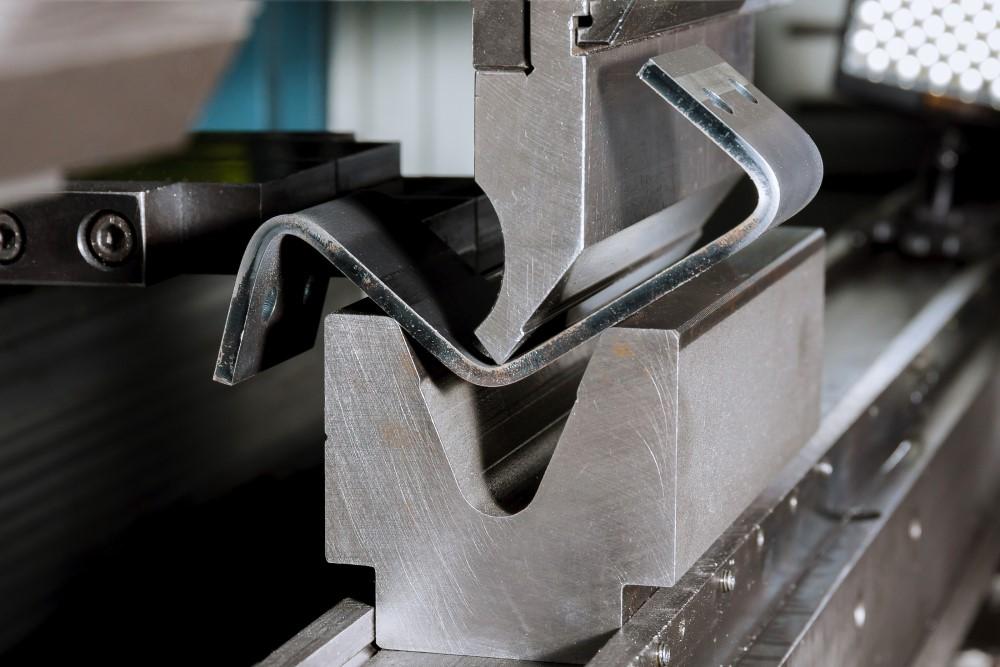
Bending Process | Air bending, bottom bending, and coining available depending on material and tolerance requirements |
Maximum Bending Length | 3000mm |
Material Thickness Range | 0.5mm to 12mm depending on material and press tonnage |
Bend Angle Tolerance | +/-0.5 degrees standard; +/-0.2 degrees achievable with secondary measurement and adjustment |
Flange Length Tolerance | +/-0.2mm on short flanges; +/-0.5mm on flanges over 100mm |
Minimum Flange Length | Minimum flange length equals 2 times material thickness plus the bend radius, reviewed during DFM for each geometry |
Inside Bend Radius | Standard inside radius equal to material thickness; tighter radii available depending on material ductility |
Materials Processed | Mild steel, stainless steel 304/316, aluminum 5052/6061, copper, and brass |
Our Metal Bending Gallery Parts
Industry Expertise at Top Proto
Rapid Tooling
Production Tooling
Made in China. Precision You Can Rely On.
Machines Running at Peak Efficiency
Ultra-Fine Tolerances Achievable
Lead Times Starting From
Engineering Materials Available
Choose Us for Flexible Pricing and Quick Delivery
At TOP PROTO, we know price and timeline go hand in hand. Our CNC machining services can work around your budget and deliver on your deadline. Get a quote instantly and select the service to meet your requirements.
- Competitive pricing with quality always remains.
- Fast lead time to complete the project quickly.
Pros of Metal Bending
- Accuracy: The bending services we offer provide very precise and consistent results that have little variation in tolerance.
- Scalability:Our services are scalable, whether it is the prototyping phase or a large-volume production.
- Flexibility: This is because with a broad experience base we are able to deal with complicated designs and the variety of materials, which means that we can deliver maximum performance in each application.
What Makes Top Proto Different from Others
Frequently Asked Questions
What information do you need to quote metal bending?
We require your part drawing with all bend angles, bend radii, flange lengths, and material specification clearly noted, along with your CAD file in STEP or DXF format. For bent parts, a 3D CAD model is preferred as it allows our team to verify the bending sequence and confirm tooling access for each bend before quoting.
What is the minimum flange length for press brake bending?
Minimum flange length is determined by the material thickness and inside bend radius, and is generally calculated as two times the material thickness plus the bend radius. For very short flanges, our engineering team reviews tooling access during the DFM process and advises on the minimum achievable flange for your specific geometry.
How do you control spring-back in bent parts?
We apply material-specific spring-back compensation values to our press brake programs, overbending the part by a calculated amount so that it springs back to the specified angle. For tight-tolerance applications, we bend and measure sample parts before full production to verify that the spring-back compensation is correct for your material batch, then lock the program parameters for the production run.
Can you bend aluminum without cracking?
Can you produce bent parts with welded joints?
Yes. Top Proto performs welding as a downstream operation following press brake bending in our integrated fabrication workflow. Parts are bent first to establish the final geometry, then welded at specified joints. Weld locations and specifications should be noted on your drawing.