Custom Injection Molding Services for Plastic Parts Production
- All uploads are secure and confidential
Get instant pricing, project lead times, and DFM feedback.
- All uploads are secure and confidential.
What Is Injection Molding?
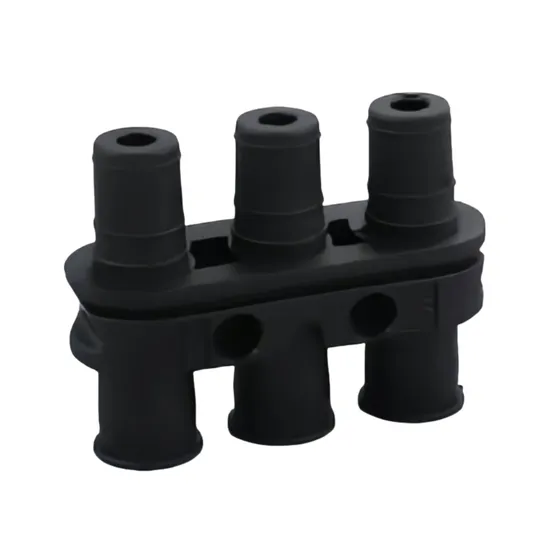
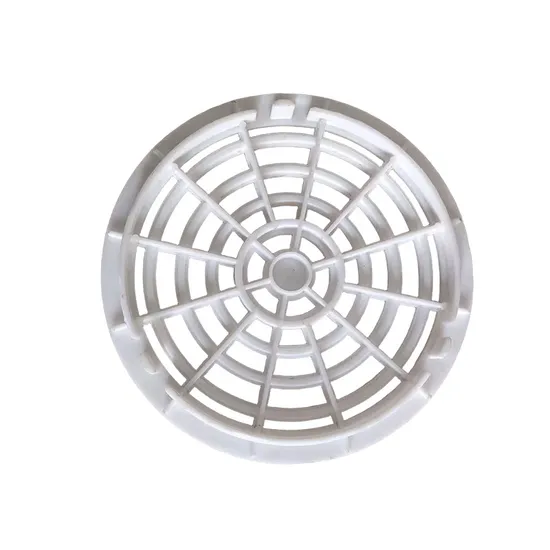
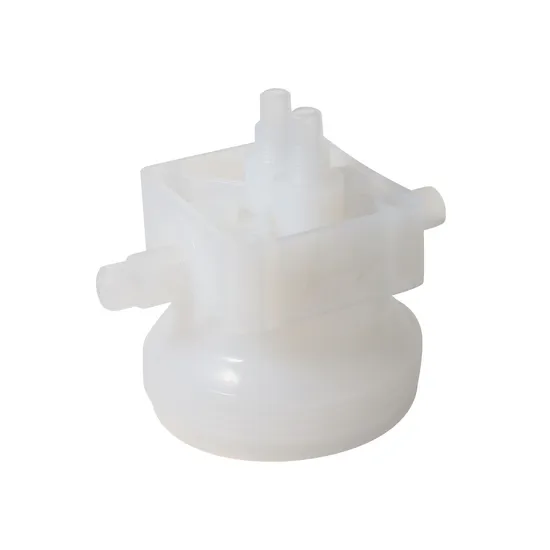
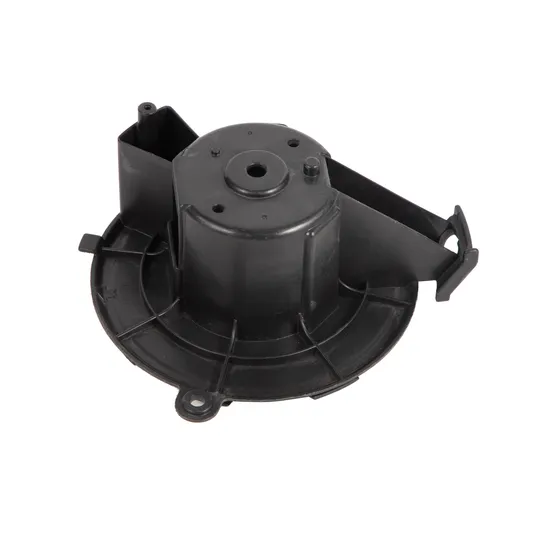
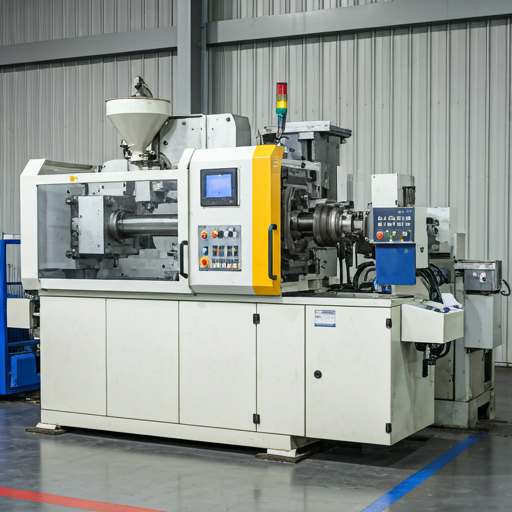
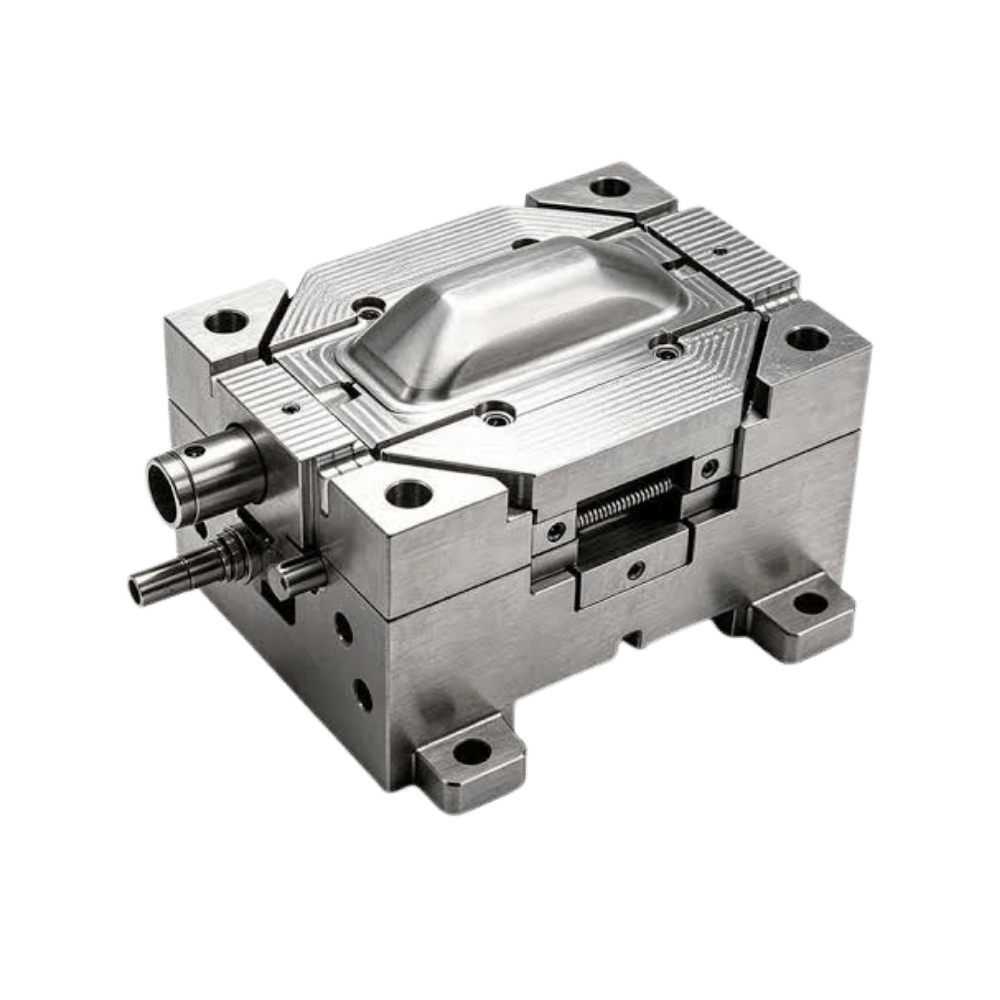
Injection molding is a manufacturing process in which molten plastic material is injected under pressure into a closed mold cavity, allowed to cool and solidify, and then ejected as a finished part. The process is highly repeatable — once a mold is qualified, every subsequent shot produces a part with the same geometry, wall thickness, and surface finish as the first.
At Top Proto, we use injection molding to produce plastic components across a wide range of thermoplastic materials, from commodity resins such as ABS and polypropylene to engineering-grade materials including PEEK, Nylon, and polycarbonate. The process is suitable for parts with complex internal features, thin walls, snap-fit interfaces, and surface textures that cannot be achieved cost-effectively by other manufacturing methods at production volumes.
Our Molding Services
Why Choose Us for Injection Molding Services?
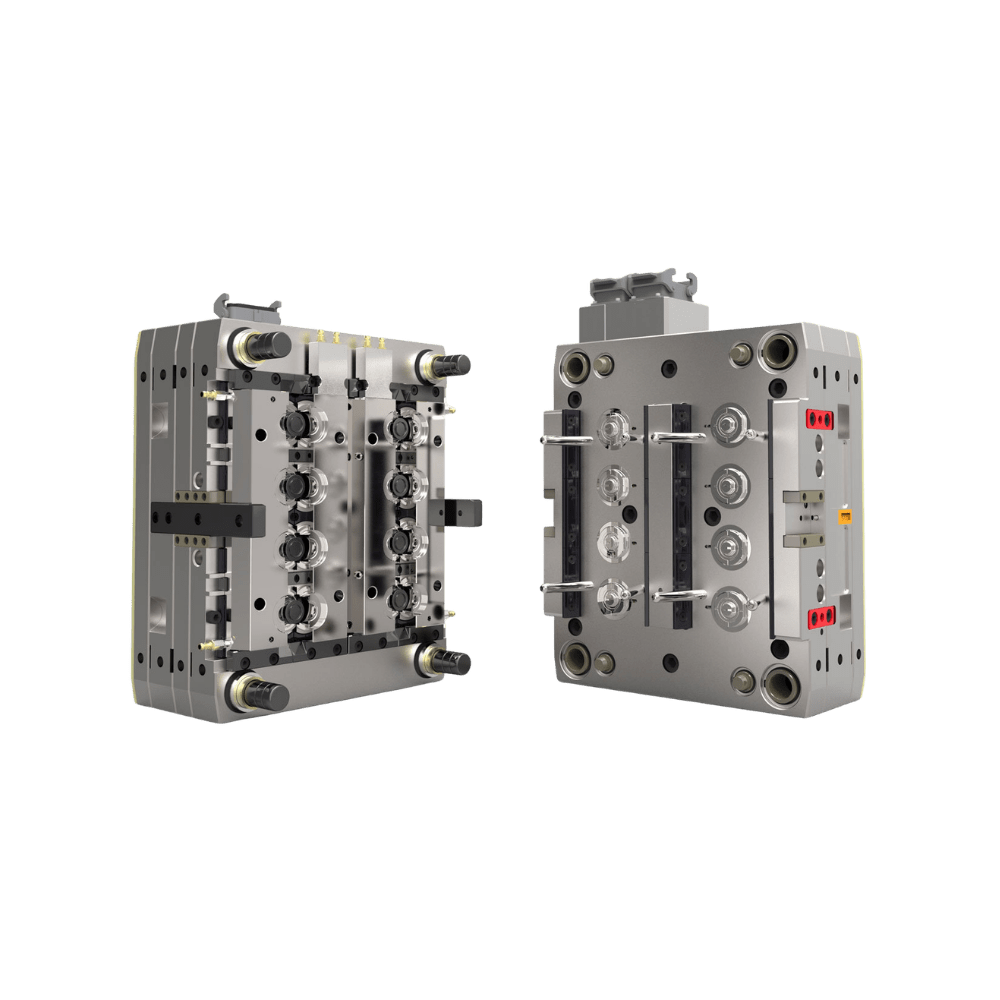
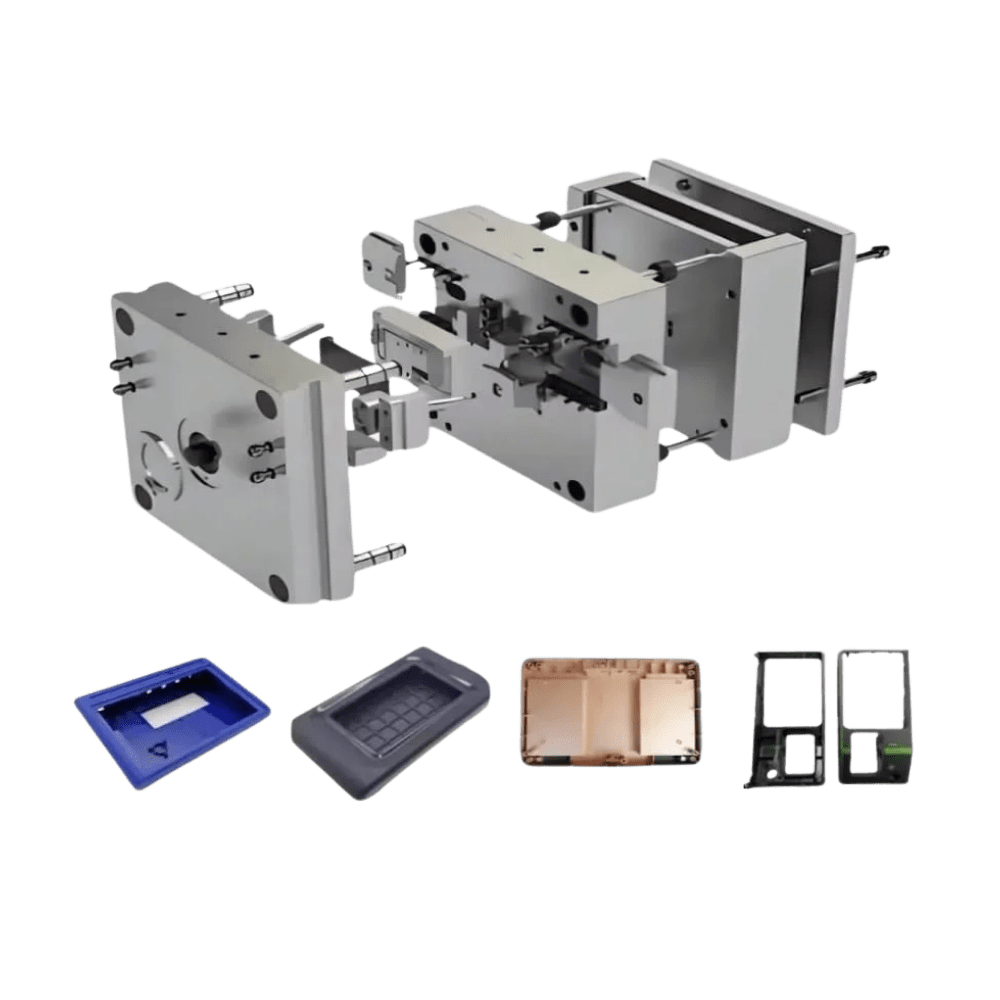
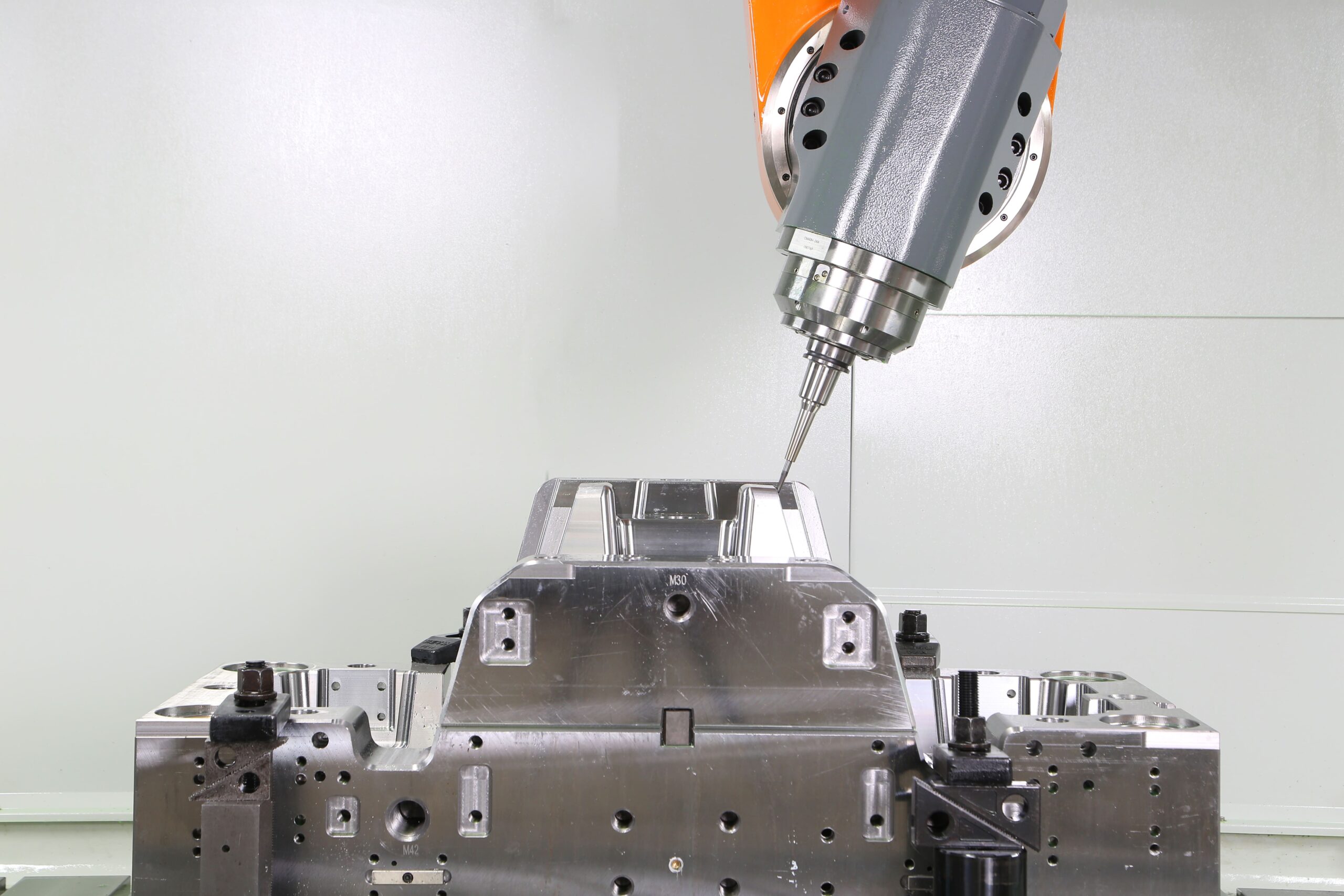
Top Proto manages the full injection molding workflow in-house, from mold design and CNC tooling production to part molding, inspection, and delivery. This integrated approach gives you direct communication with the engineering team responsible for your mold rather than working through intermediaries who do not control the production process.
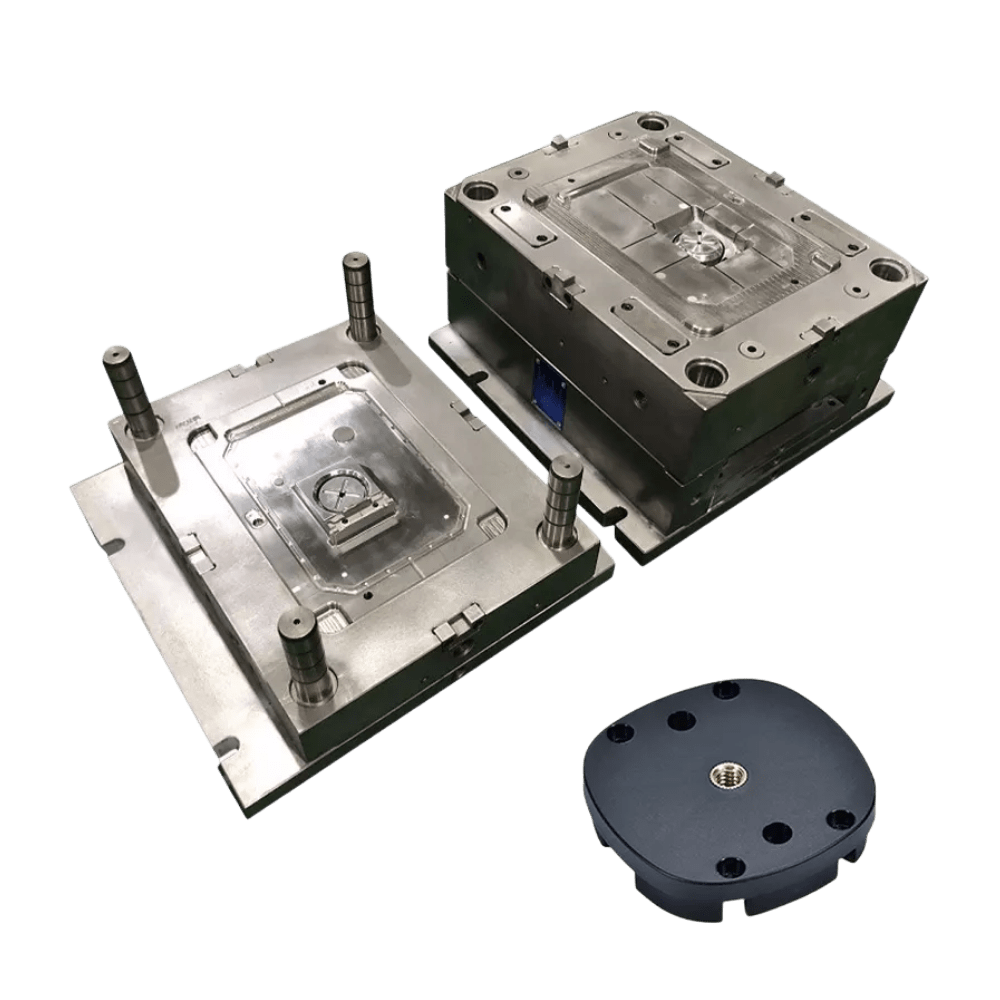
Our mold shop produces both aluminum rapid tooling for prototype and low-volume programs and hardened steel production tooling rated for high-volume cycles. Every mold is measured dimensionally before the first production shot to confirm cavity geometry matches your approved part drawing. Our quality management system is certified to ISO 9001:2015 and ISO 13485, supporting applications across general industrial, consumer, and medical device sectors. First article inspection reports, material certifications, and Certificates of Conformance are provided with every order.
Materials for Injection Molding Services

A general-purpose thermoplastic with good impact resistance, stiffness, and surface finish. Widely used for consumer product housings, electronic enclosures, and interior automotive components.
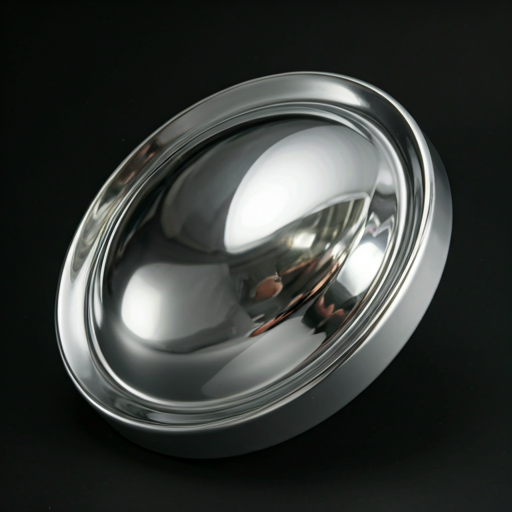
A lightweight, chemically resistant resin with good fatigue resistance and living hinge capability. Used for packaging, medical consumables, and parts requiring repeated flexure without failure.

Available in multiple density grades. Good chemical resistance and flexibility. Used for containers, caps, seals, and parts operating in wet or chemical environments
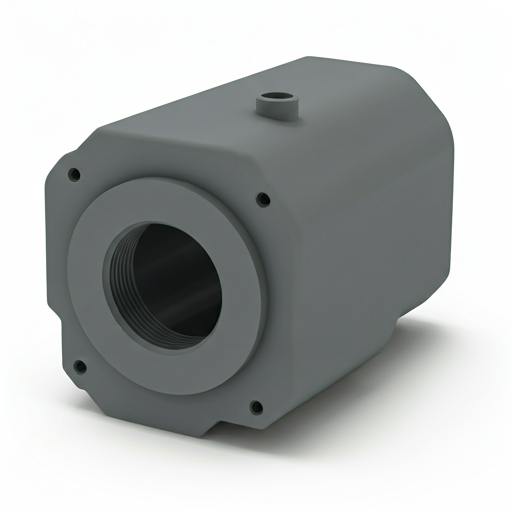
A transparent, high-impact engineering thermoplastic with good dimensional stability and heat resistance. Used for optical lenses, light covers, medical device housings, and safety equipment.

An engineering thermoplastic with good mechanical strength, wear resistance, and thermal performance. Used for gears, bushings, structural brackets, and parts operating under sustained mechanical load.

A high-performance thermoplastic with exceptional thermal stability, chemical resistance, and mechanical properties at elevated temperatures. Used in aerospace, medical, and semiconductor applications.

A semi-crystalline thermoplastic with low friction, high stiffness, and excellent dimensional stability. Used for precision gears, cams, sliding parts, and fluid handling components.

Thermoplastic elastomers that combine the processing advantages of thermoplastics with the flexible properties of rubber. Used for soft-grip surfaces, seals, gaskets, and overmolded components.
Injection Molding Surface Finishes
Injection Molding Capabilities
Feature | Specification |
General Tolerances | ISO 2768-M for standard features; tighter tolerances available on critical dimensions specified in your drawing |
Minimum Wall Thickness | 0.5mm for rigid engineering resins; 1.0mm recommended for consistent fill and reduced sink marks |
Maximum Part Size | Up to 800 x 600 x 400mm depending on resin and mold configuration |
Production Volume | Low volume: 100 to 10,000 parts; High volume: 10,001 parts and above |
Lead Time — Rapid Tooling | 7 to 14 days for aluminum tooling; first shots within 3 to 5 days of mold approval |
Lead Time — Production Tooling | 25 to 45 days depending on mold complexity and steel grade |
Cavity Configuration | Single cavity, family mold, and multi-cavity configurations available |
Our Injection Molding Gallery Parts
Rapid Tooling
Production Tooling
How We Works – 3-Stages Workflow
We guarantee that CNC parts are delivered on time and that the process is completely transparent in the following 3 simple steps:
Upload Your Files
Instant prices with DFM feedback for many file types.
We Manufacture Your Parts
You can select from many materials and methods.
Tracking and Receiving Your Parts
View the QC documentation and inspection photographs.
Pros of Injection Molding
- Long Lasting:Made with guide tool steels, these molds last a long time..
- Accuracy: Ideal for product consistency and quality over long production runs.
- Cost Efficient : Perfect for short to long runs with little variation in product needs.
- High-quality Finish: Provides high-quality surfaces.
- Design Variety:Can accommodate detailed geometries and additional components.
- Short Turnaround: More efficient cooling systems and part ejectors produce in less time.