Surface Finishing Services for Machined, Molded, and Fabricated Parts
Top Proto delivers surface finishing services for custom manufactured parts across our CNC machining, injection molding, sheet metal fabrication, and 3D printing operations. We apply a broad range of surface treatments — anodizing, powder coating, bead blasting, plating, painting, and polishing — to meet your functional, corrosion resistance, hardness, and appearance specifications. Every surface treatment is applied in-house and documented as part of your order record, with inspection confirming that coating thickness, adhesion, and appearance meet your requirements before shipment.
Get instant pricing, project lead times, and DFM feedback.
Accepted File Types: STEP, STP, SLDPRT, STL, DXF, X_T, X_B, IPT, CATPART, PRT, SAT, 3MF, JT
- All uploads are secure and confidential.
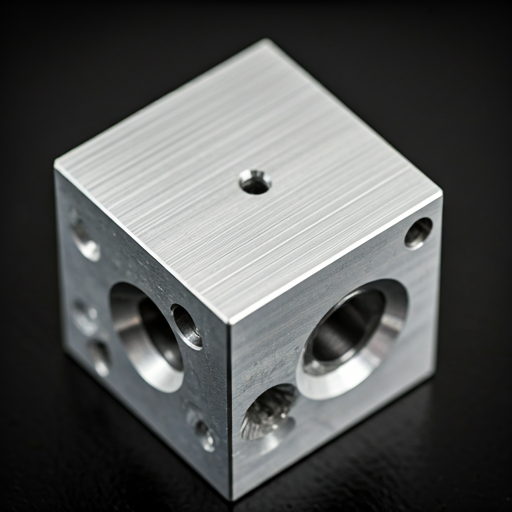
As Machined
Standard delivery condition for CNC machined parts. Surface roughness Ra 3.2 on standard cuts; Ra 1.6 achievable with fine finishing passes. Tool marks visible on machined faces. No additional cost or lead time.
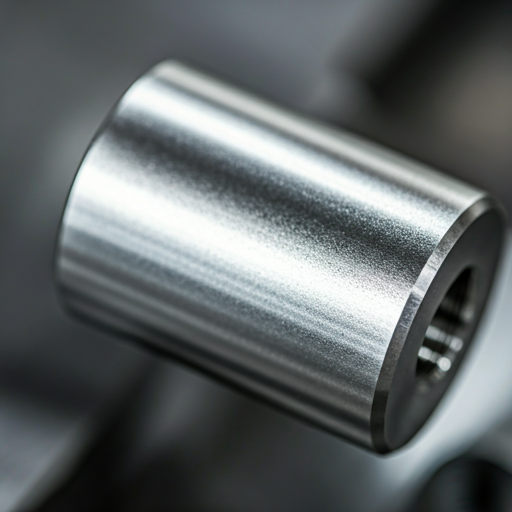
Bead Blasting
Uniform matte or satin texture produced by propelling fine glass or ceramic media against the part surface. Removes tool marks, eliminates surface reflectivity, and prepares the surface for anodizing or painting. Compatible with aluminum, stainless steel, and titanium.
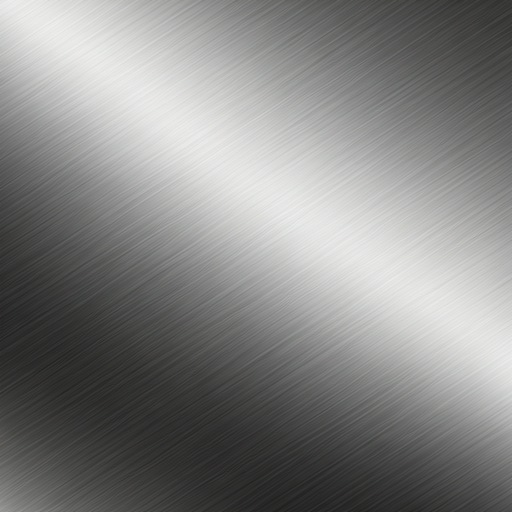
Brushed Finish
Unidirectional linear grain produced by abrasive belt or pad finishing. Produces a fine parallel texture on flat and cylindrical surfaces. Specified for aluminum and stainless steel panels, handles, and decorative enclosures.
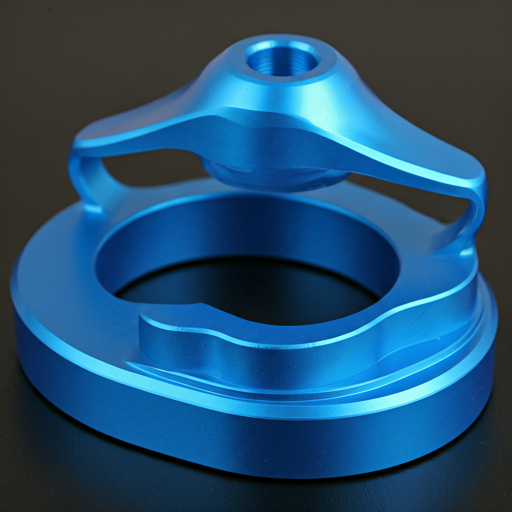
Mirror Polish
Progressive mechanical buffing to Ra 0.1 or below, producing a highly specular surface. Specified for optical components, medical instruments, decorative parts, and mold cavity faces. Adds significant lead time and cost.
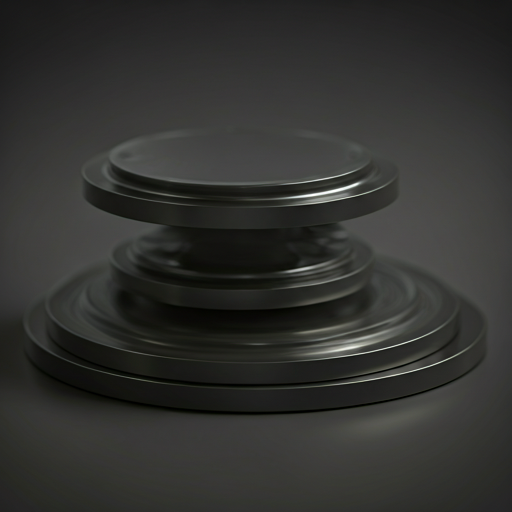
Anodizing Type II (Clear)
Standard anodizing producing a transparent aluminum oxide layer 10 to 25 micrometers thick. Maintains the natural silver appearance of the aluminum alloy while improving corrosion and abrasion resistance. Compatible with 6061, 6063, 7075, and 5052.
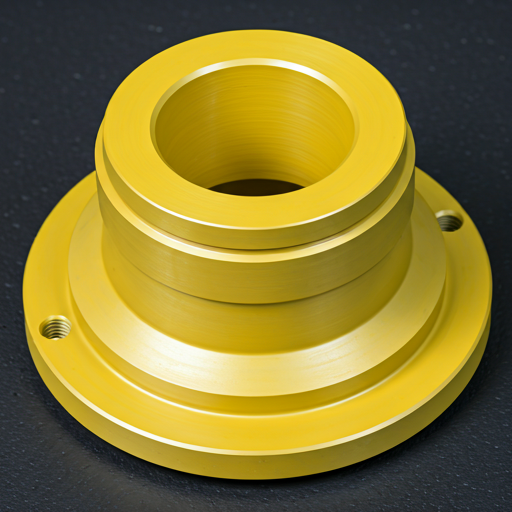
Anodizing Type II (Color)
Type II anodizing with dye bath in black, blue, red, gold, green, or custom color. Dye is absorbed into the porous oxide layer before sealing, producing a consistent, integrated color. Color uniformity depends on alloy composition and surface preparation.
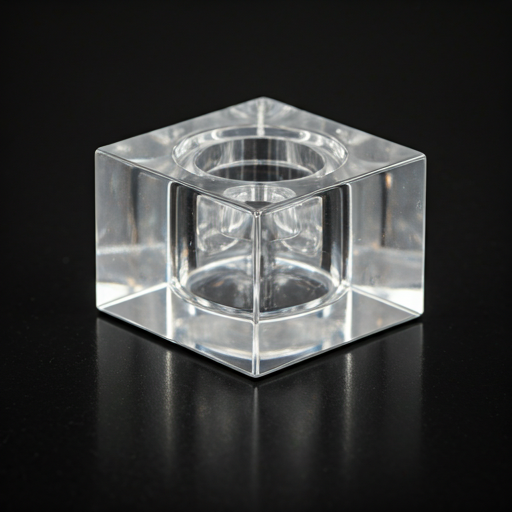
Anodizing Type III (Hard)
Hard anodizing producing an oxide layer 25 to 75 micrometers thick at lower temperature and higher current density than Type II. Produces significantly higher surface hardness (400 to 600 HV) and improved wear resistance. Dimensions increase by approximately half the coating thickness.
Black Oxide
Chemical conversion coating for steel and stainless steel. Produces a black magnetite layer providing mild corrosion resistance and low surface reflectivity without significant dimensional change. Used for tooling, fasteners, and industrial components.
Zinc Plating (Electroplated)
Electrodeposited zinc coating 5 to 25 micrometers thick on mild steel parts. Provides corrosion protection through sacrificial action. Available with clear, yellow, or black chromate passivation over the zinc layer.
Nickel Plating
Electroless or electrolytic nickel plating for uniform coating on complex geometries. Improves corrosion resistance, surface hardness, and electrical conductivity. Electroless nickel provides more uniform thickness on recesses and internal surfaces.
Chrome Plating
Decorative and hard chrome plating for appearance, corrosion resistance, and surface hardness. Decorative chrome applied over a nickel undercoat. Hard chrome applied directly for wear-resistant industrial applications.
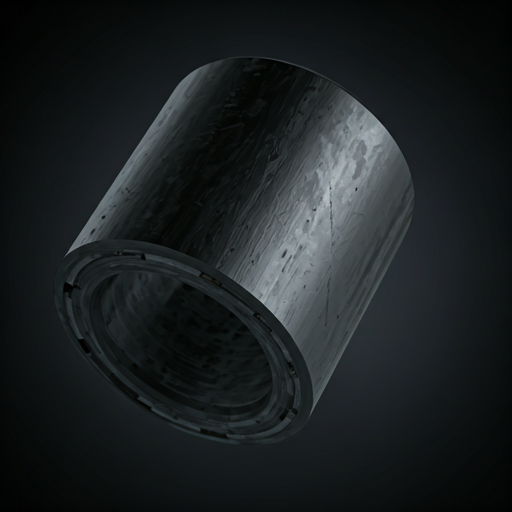
Passivation
Chemical treatment for stainless steel removing free iron from the surface and promoting a stable chromium oxide passive layer. Improves corrosion resistance in aggressive environments. No dimensional change. Specified for medical, food, and marine components.
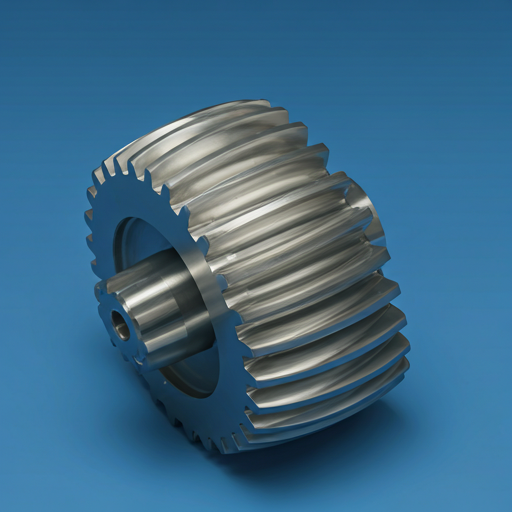
Electropolishing
Electrochemical process removing a controlled material layer from stainless steel surfaces, reducing roughness and eliminating microscopic burrs. Improves corrosion resistance and surface cleanliness for medical, pharmaceutical, and food-contact components.
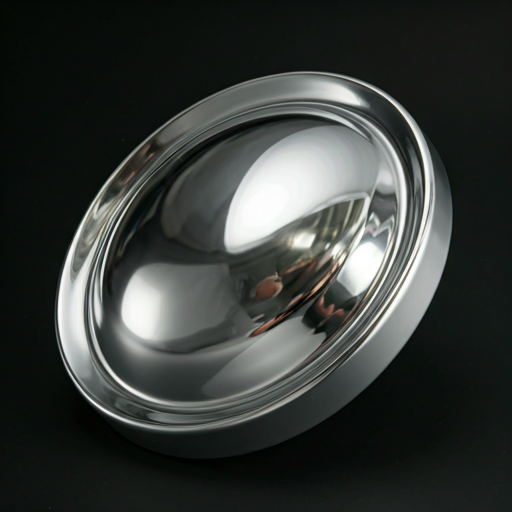
Powder Coating
Electrostatically applied dry powder cured under heat. Produces a hard, impact-resistant, corrosion-resistant surface layer in the full RAL color range. Gloss, semi-gloss, and matte finishes available. Typical coating thickness 60 to 100 micrometers.
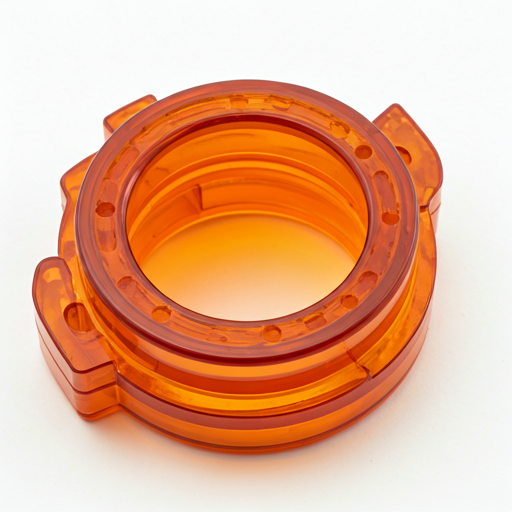
Painting (Liquid)
Liquid paint applied by spray in primer and topcoat systems. Available in standard and custom colors with gloss, semi-gloss, and matte finishes. Used where powder coating is not suitable due to part geometry, temperature sensitivity, or color matching requirements.
DLC Coating (Diamond-Like Carbon)
Physical vapor deposition coating producing a hard, low-friction carbon layer 1 to 5 micrometers thick. Used for cutting tools, medical instruments, and precision components requiring extreme surface hardness and low coefficient of friction.
Our Surface Finishes
The following surface finishes are available at Top Proto across our manufacturing operations. Finish selection depends on your part material, operating environment, appearance requirements, and dimensional tolerance constraints.
Frequently asked questions
Which surface finish should I use for aluminium CNC parts?
Depends on what the part needs. For corrosion resistance with colour options — anodize Type II. For hard-wearing surfaces that take impact or sliding contact — hardcoat anodize Type III. For parts that need to stay electrically conductive — chromate conversion (Alodine). For cosmetic uniformity with no dimensional impact — bead blast or brushed finish. For the most aggressive environments combining hardness and corrosion resistance — hardcoat anodize with PTFE impregnation. Tell us the application and we’ll advise.
Does anodizing affect the dimensions of my CNC machined parts?
Yes. Type II anodizing adds approximately 5–25µm per side; Type III hardcoat adds 25–50µm per side. On a bore with a precision H7 fit, that’s enough to take the part out of tolerance. The solution: machine the feature undersized by the coating allowance, mask it during anodizing, or machine after coating. Flag precision-fit features on your drawing and we’ll specify the correct approach at quote stage — not after the parts come back.
What's the difference between passivation and electropolishing for stainless steel?
Passivation removes free iron from the stainless surface using a nitric or citric acid bath — it restores the native passive oxide layer and improves corrosion resistance without removing bulk material or changing appearance. Zero dimensional change. Electropolishing removes 5–10µm of surface material electrochemically — it improves Ra to sub-0.2µm, produces a bright reflective surface, and further improves corrosion resistance. Both treat stainless; they solve different problems. Passivation is the standard post-machining treatment. Electropolishing is specified when you need the improved surface finish or enhanced cleanliness.
Can you apply a surface finish to only part of my part?
Yes. Masking specific features before finishing is standard practice. Threads, precision bores, sealing faces, and electrical contact surfaces are commonly masked. Specify the finish-free zones on your drawing — a shaded area or a note (“mask bore Ø12H7 — no finish”) is sufficient. We confirm masking requirements at quote stage and document them in the job traveller before the part enters finishing.
How do I specify a surface finish on a drawing?
At minimum: finish type, applicable standard, and the surfaces it applies to. Examples: “Anodize Type II, MIL-A-8625, black, all external surfaces”; “Passivate per ASTM A967 Type 2, all surfaces”; “Powder coat RAL 9005 matt, external faces only — mask all threaded holes.” For cosmetically critical surfaces, add acceptance criteria: “Primary surface — no visible scratches, drips, or coating voids at 500mm viewing distance.” If you’re unsure how to call it out, send the drawing and application requirements and we’ll advise.
What's the lead time for surface finished parts?
Machining lead time plus finishing. For in-house processes — bead blast, brushed, black oxide — typically adds 1 business day. For external finishing — anodizing, powder coat, nickel plating, electropolishing — typically adds 2–4 business days. We include finishing lead time in the quote so the total delivery date is clear before you confirm. Rush finishing is available on some processes — flag it in the RFQ if timeline is critical.
How does TOP PROTO surface finishing compare to using a separate finishing house?
Sending CNC parts to an external finishing house after machining introduces a second supplier, a second PO, and a handoff where parts can be lost, delayed, or returned with finishing defects you didn’t anticipate. TOP PROTO handles finishing as part of the manufacturing sequence — planned at quote stage, not bolted on at the end. Coating thickness is accounted for in pre-coat dimensions. Masking is specified before the part enters finishing, not discovered after. Documentation — process record, coating thickness measurement, visual inspection sign-off — ships with the machined part in the same box. One order, one point of contact, one shipment.