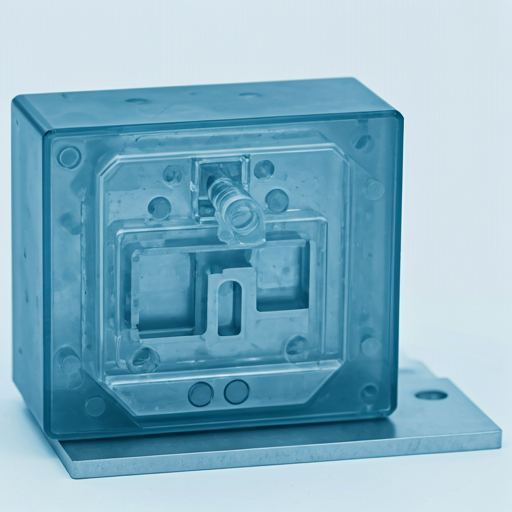
FDM 3D Printing Service Industrial Fused Deposition Modeling
Top Proto provides industrial fused deposition modeling (FDM) 3D printing for durable thermoplastic parts with tolerances of ±0.25 mm and build volumes up to 914 × 610 × 914 mm. Our Stratasys FDM systems extrude production-grade thermoplastics including ABS, polycarbonate, nylon, ULTEM, and PEKK layer by layer through heated nozzles in enclosed, temperature-controlled chambers. FDM produces the largest single-build parts of any polymer 3D printing process and offers the widest range of engineering-grade and high-performance thermoplastics.
Upload your CAD file for an instant FDM quote. Standard orders ship within 3–5 business days.
- All uploads are secure and confidential
Get instant pricing, project lead times, and DFM feedback.
- All uploads are secure and confidential.
What Is Fused Deposition Modeling (FDM)?
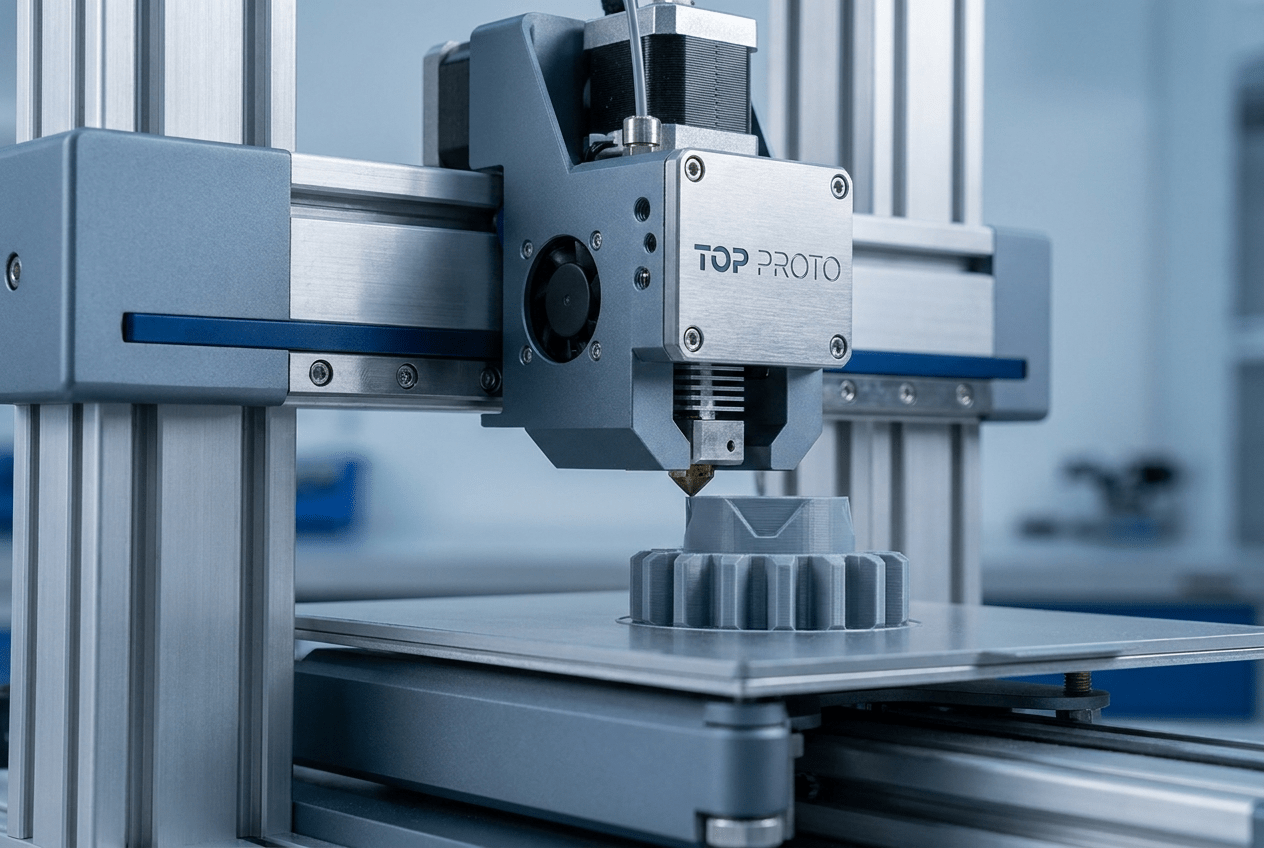
Fused deposition modeling is a material extrusion process that builds three-dimensional objects by melting thermoplastic filament and depositing it through a heated nozzle onto a build platform, one layer at a time. The build material is fed as a continuous filament from a spool, heated to a semi-molten state, and extruded through a precision nozzle that traces the cross-section of each layer. A second nozzle deposits soluble support material for overhangs and internal cavities.
Industrial FDM systems operate in enclosed, heated build chambers that maintain uniform temperature across the entire build volume. This controlled environment reduces thermal gradients between deposited layers, minimizing warpage, improving layer adhesion, and producing parts with more consistent mechanical properties than open-frame desktop printers.
After printing, soluble supports dissolve in a chemical bath, leaving clean internal channels and complex undercuts without manual support removal. Parts can then be sanded, machined, painted, plated, or bonded for final application.
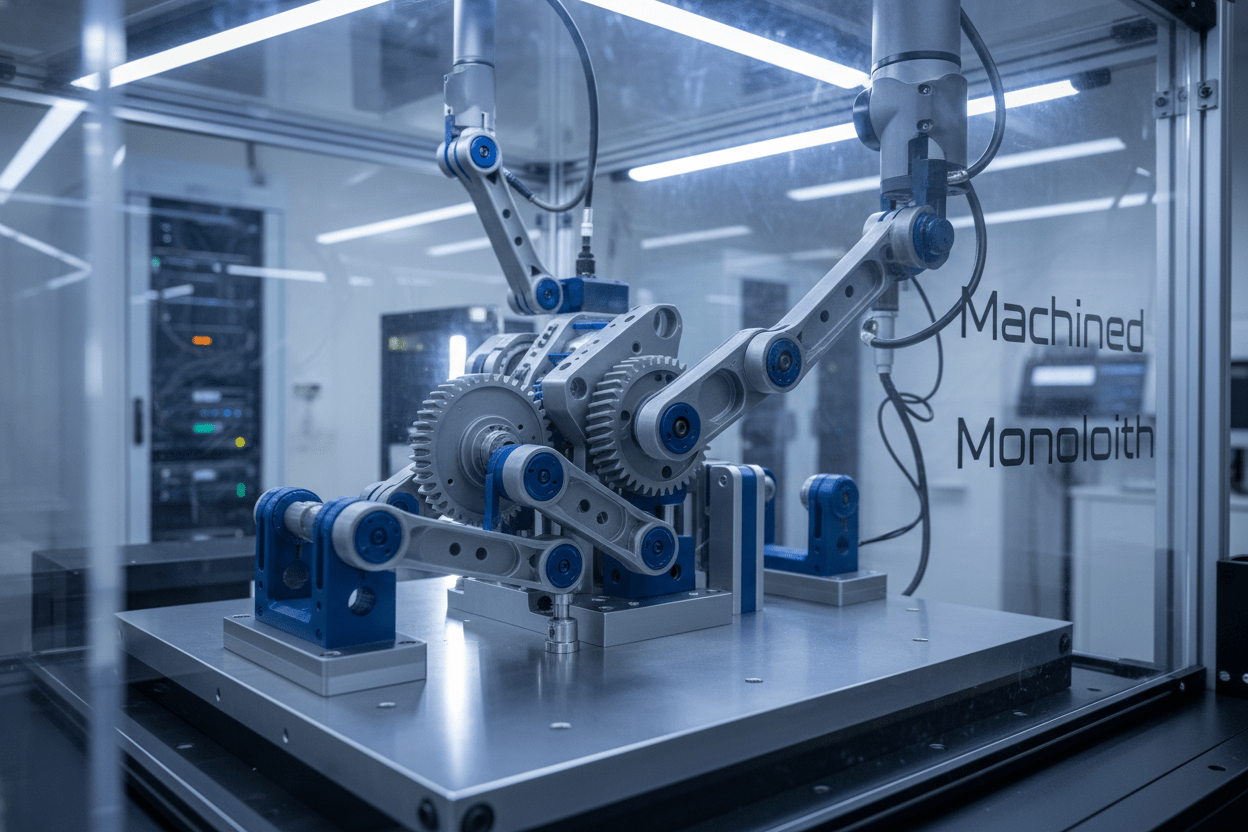
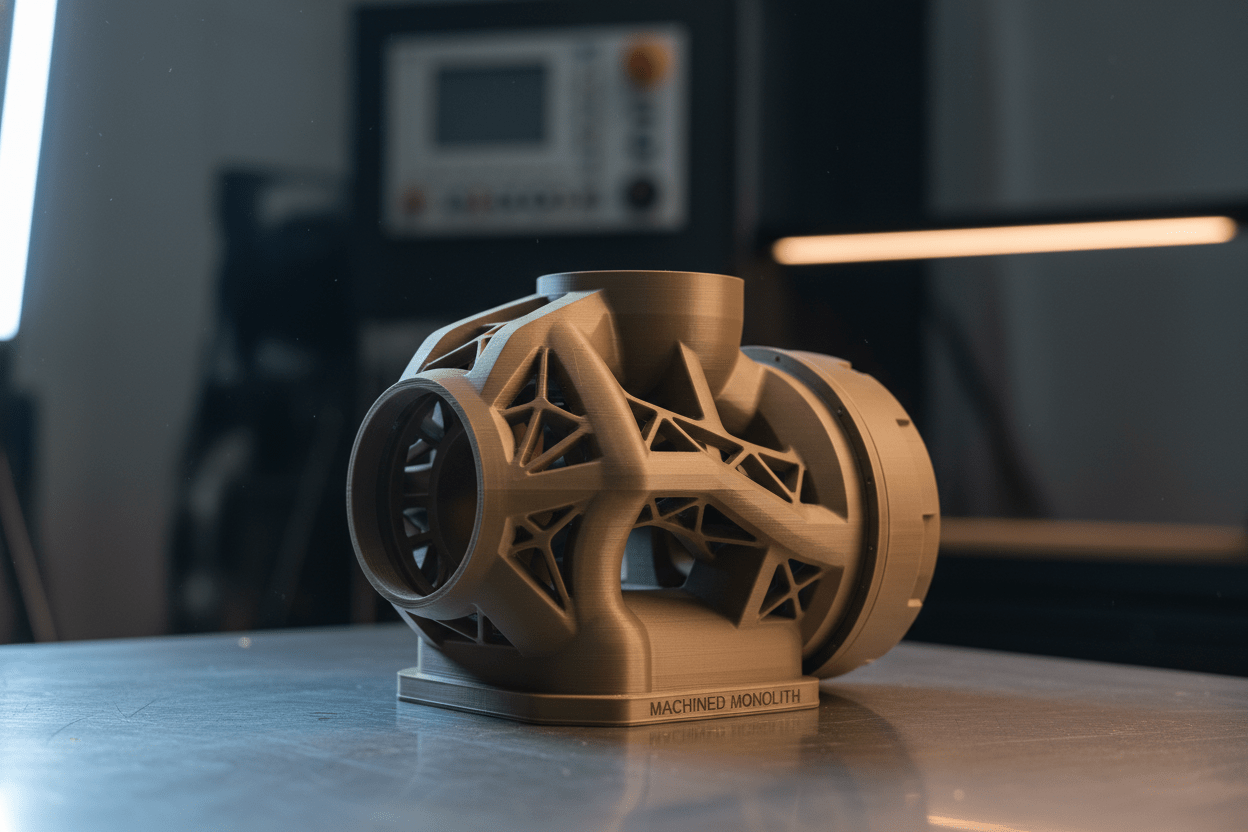
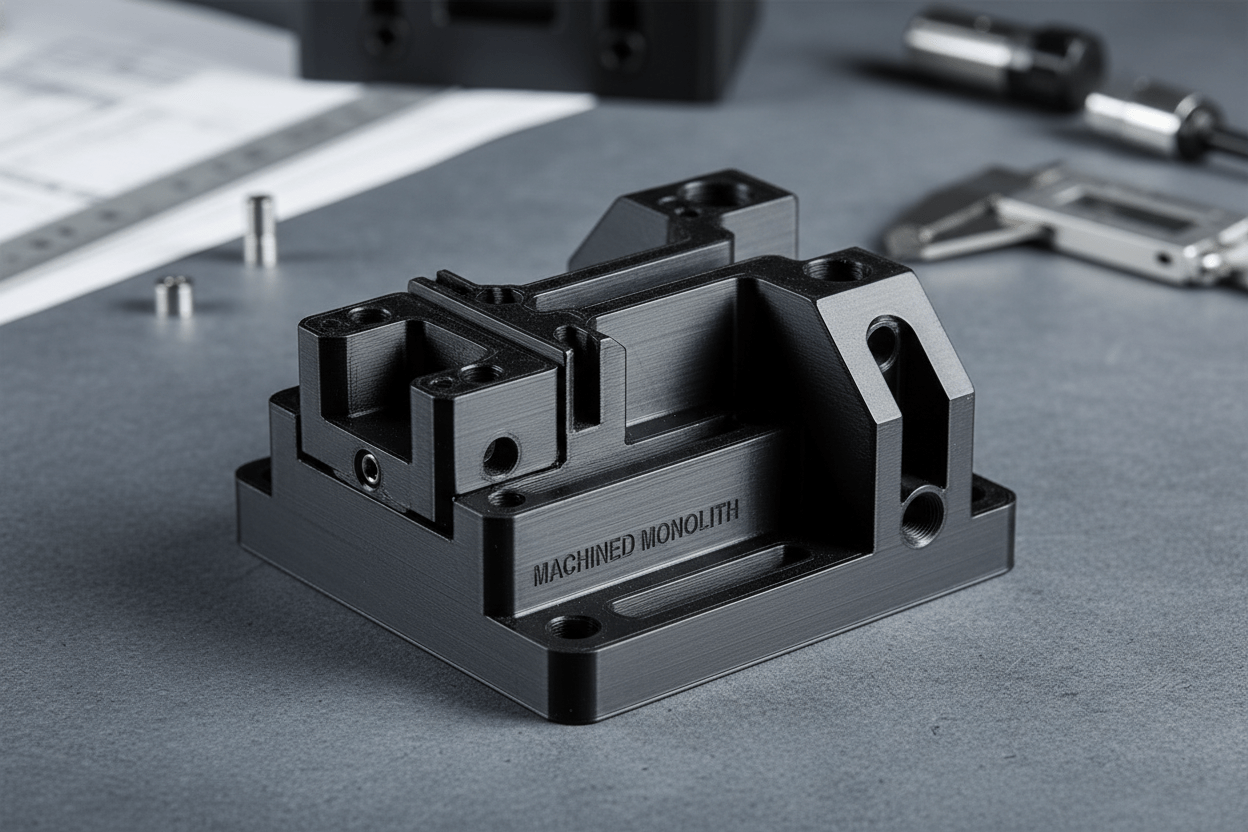
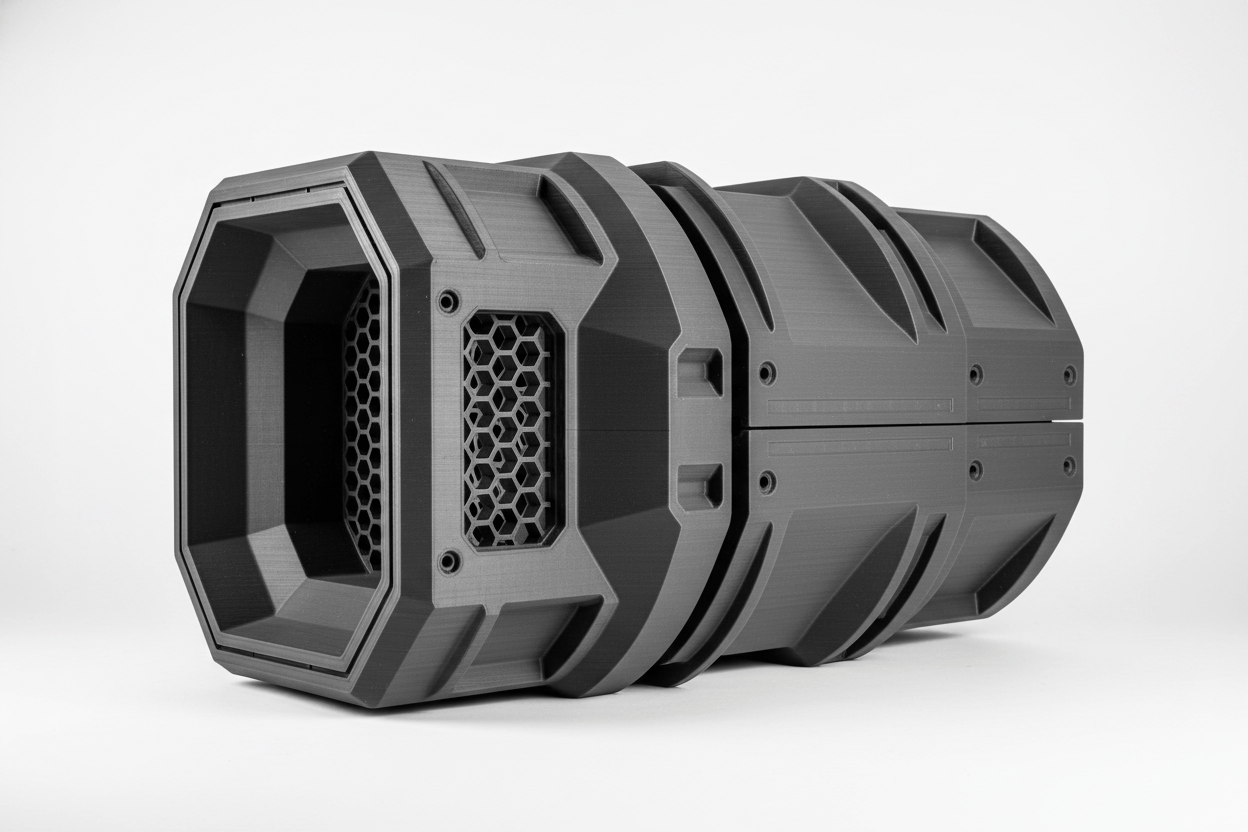
Our FDM 3D Printing Services
Why Choose Top Proto for FDM 3D Printing?
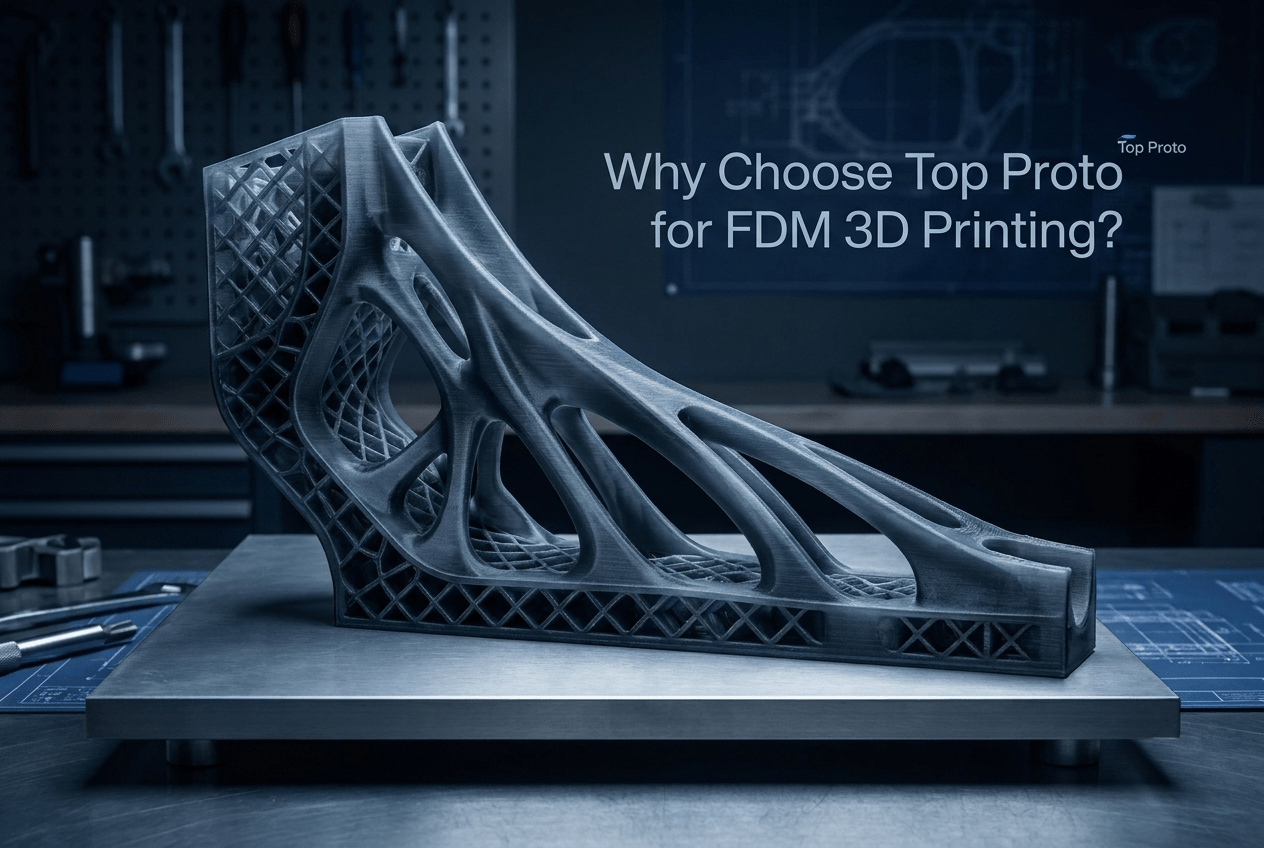
Largest Build Volume Our Stratasys Fortus 900MC platform prints parts up to 914 × 610 × 914 mm in a single build. This eliminates the need to split large assemblies into bonded sections, preserving structural integrity. | Real Engineering Thermoplastics FDM works with production-grade materials including ABS, PC, nylon, ASA, ULTEM 9085, ULTEM 1010, PEKK, and carbon-filled options. These are the same thermoplastics used in injection molding. |
Soluble Support System Dual-extrusion with soluble support material enables complex internal geometries, deep cavities, and intricate overhangs. Supports dissolve completely in an alkaline bath, leaving clean surfaces. | Enclosed Heated Chamber Temperature-controlled build chambers maintain uniform thermal conditions throughout the print, reducing warpage and improving layer adhesion for consistent mechanical performance in all orientations. |
SLA Capabilities
Parameter | Specification |
Technology | Material Extrusion (Fused Deposition Modeling) |
Build Volume (Max) | 914 × 610 × 914 mm |
Layer Thickness | 127 – 330 μm |
Tolerance (Standard) | ±0.25 mm or ±0.3% (whichever is greater) |
Minimum Wall Thickness | 1.0 mm (1.5 mm recommended) |
Minimum Feature Size | 1.0 mm |
Surface Finish | Ra 8 – 20 μm (as-printed, layer-dependent) |
Support System | Soluble (SR-30, SR-110, SUP706) |
Post-Processing | Support dissolution, sanding, machining, painting, plating, bonding |
File Formats | STL, STEP, IGES, OBJ, 3MF |
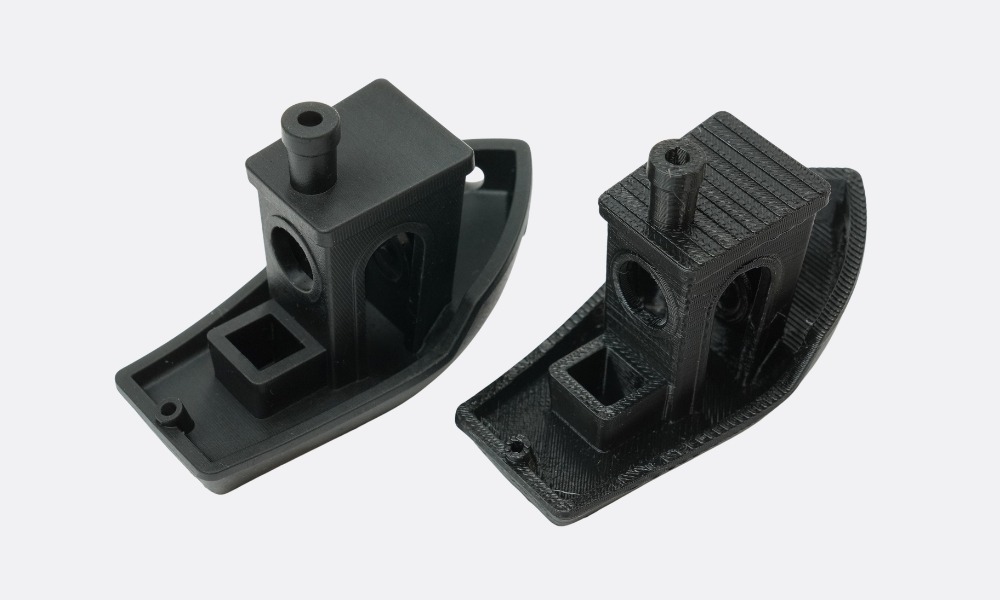
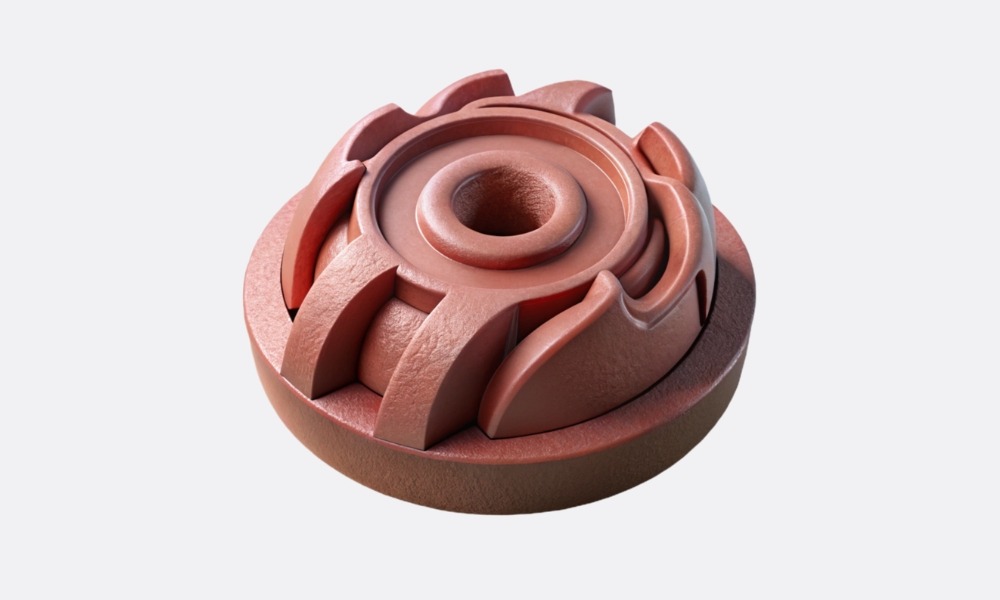
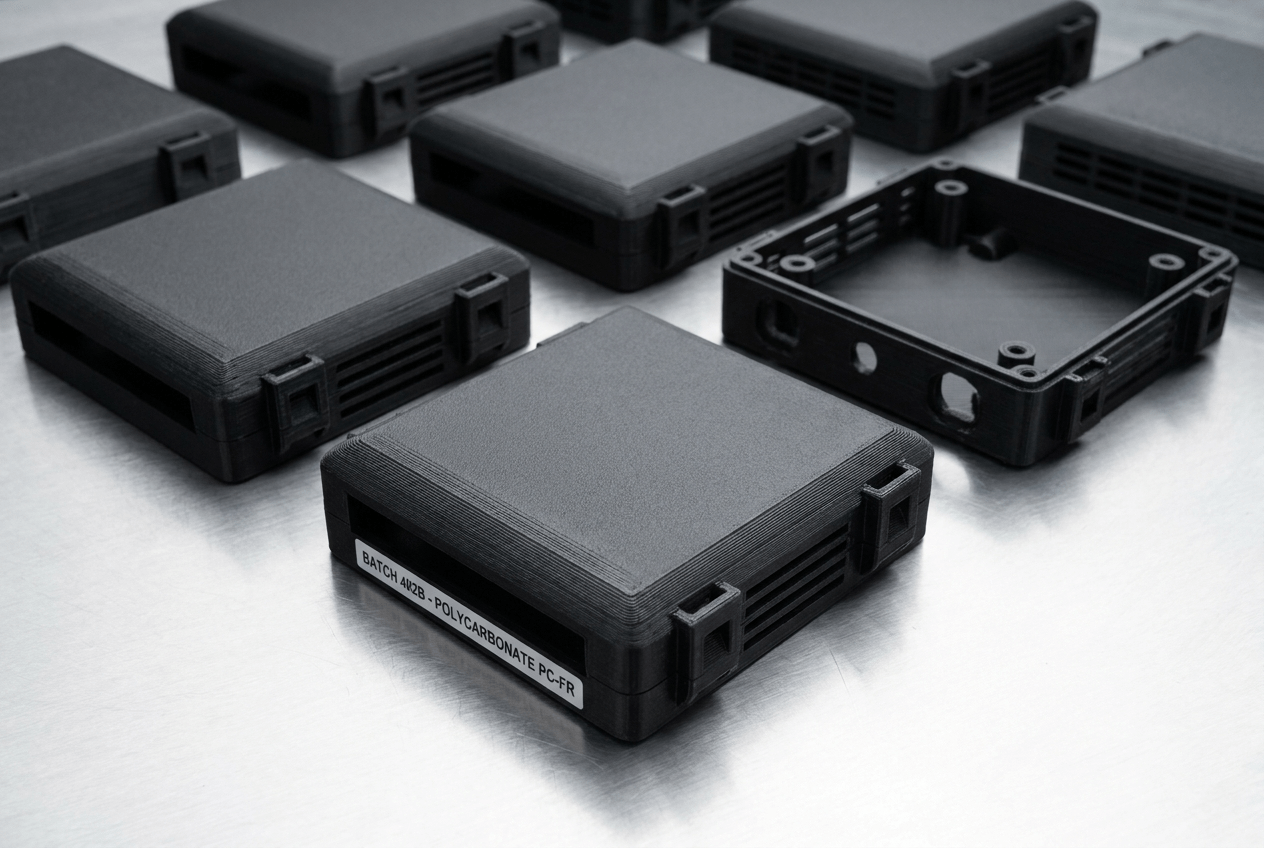
FDM Part Gallery
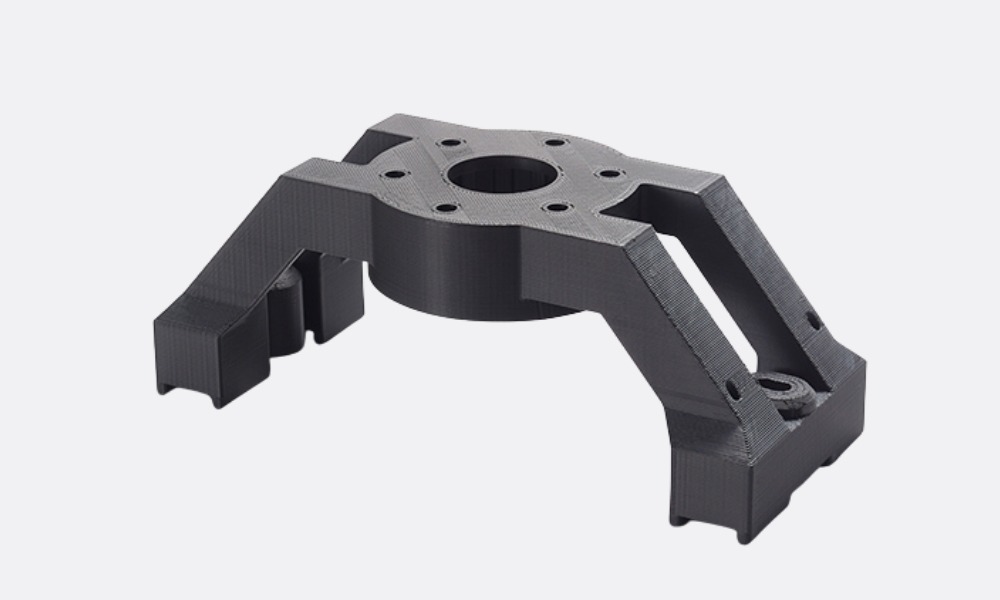
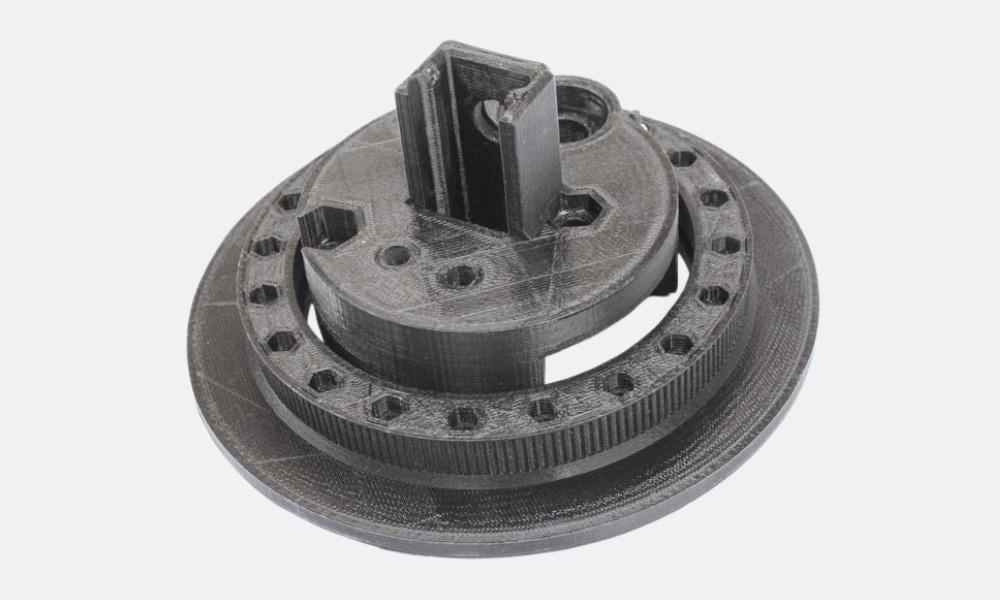
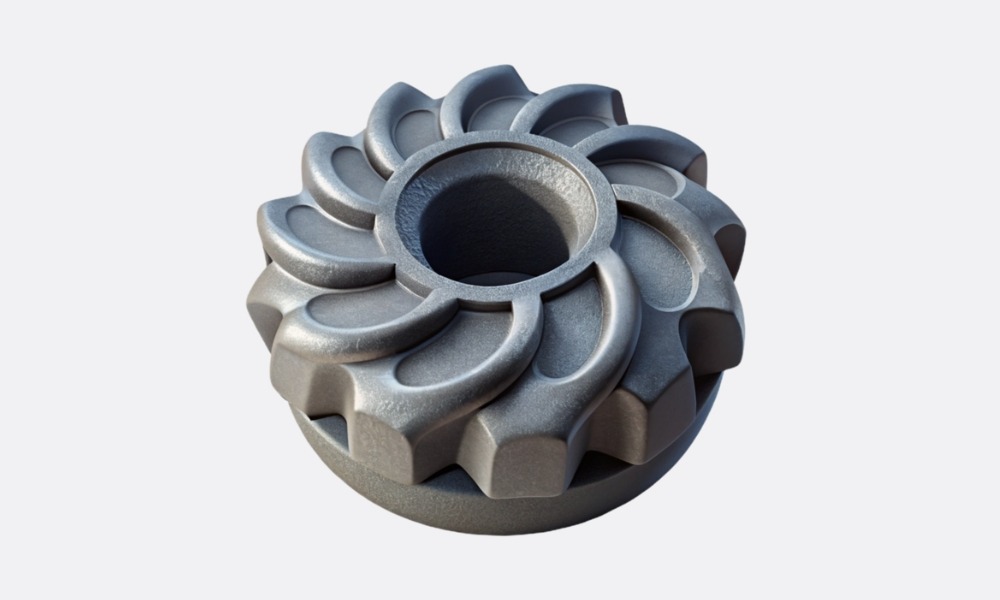
FDM for Rapid Tooling
FDM for Production Parts
Frequently Asked Questions — FDM 3D Printing
What is the maximum part size for FDM printing?
Are FDM parts as strong as injection-molded parts?
What surface finish should I expect from FDM?
Which FDM material is best for high-temperature applications?
Can FDM replace CNC machining for tooling?
CNC Manufacturing Resources