SLA 3D Printing Service Precision Stereolithography Parts

Top Proto delivers production-grade stereolithography (SLA) 3D printing with tolerances down to ±0.05 mm and surface finishes that require minimal post-processing. Our industrial SLA systems cure photopolymer resins layer by layer using ultraviolet lasers, producing parts with smooth surfaces, fine feature detail, and isotropic mechanical properties. From concept models and fit-check prototypes to investment casting patterns and end-use components, our SLA service handles single prototypes through low-volume production runs with consistent dimensional accuracy. Upload your CAD file for an instant SLA 3D printing quote. Parts ship in as few as 3 business days.

Get instant pricing, project lead times, and DFM feedback.

Accepted File Types: STEP, STP, SLDPRT, STL, DXF, X_T, X_B, IPT, CATPART, PRT, SAT, 3MF, JT

What Is Stereolithography (SLA) 3D Printing?

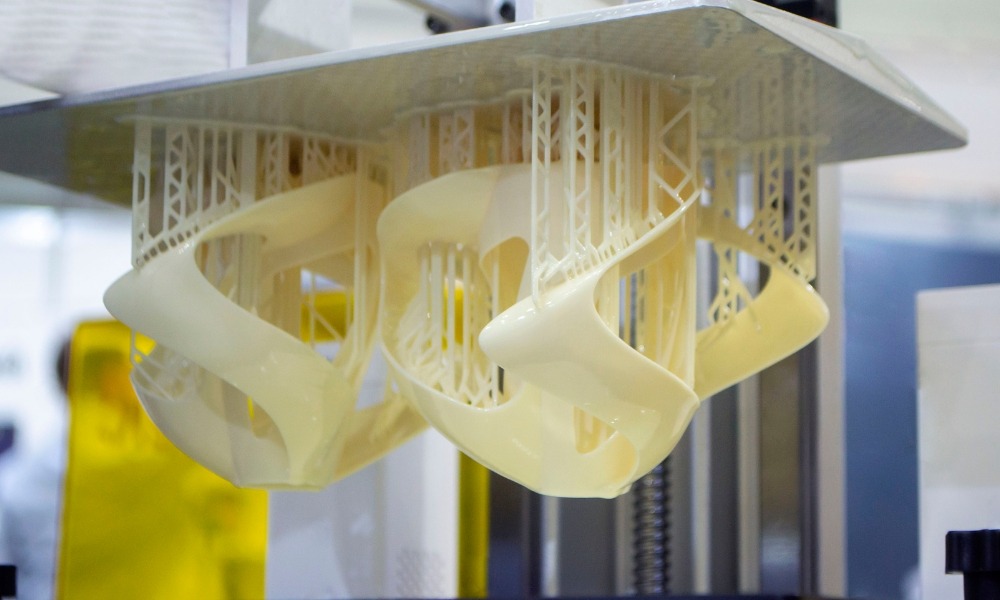
Stereolithography is a vat photopolymerization process that builds three-dimensional objects by selectively curing liquid photopolymer resin with a UV laser. The laser traces each cross-section of the part onto the resin surface, solidifying one layer at a time. After each layer cures, the build platform lowers by one layer thickness and a recoating blade sweeps fresh resin across the surface. This cycle repeats until the complete geometry is formed.

Once printing completes, parts undergo solvent cleaning to remove residual uncured resin, followed by UV post-curing in an oven to reach full mechanical properties. Support structures are removed manually, and parts can then be sanded, polished, painted, or plated depending on application requirements.

SLA was the first commercialized 3D printing technology, introduced in the 1980s. It remains the benchmark for surface quality and dimensional accuracy in polymer additive manufacturing. Industrial SLA systems achieve tolerances of ±0.05 mm in X/Y dimensions and layer thicknesses as fine as 25 μm, producing parts with surface roughness values significantly lower than other polymer 3D printing methods.
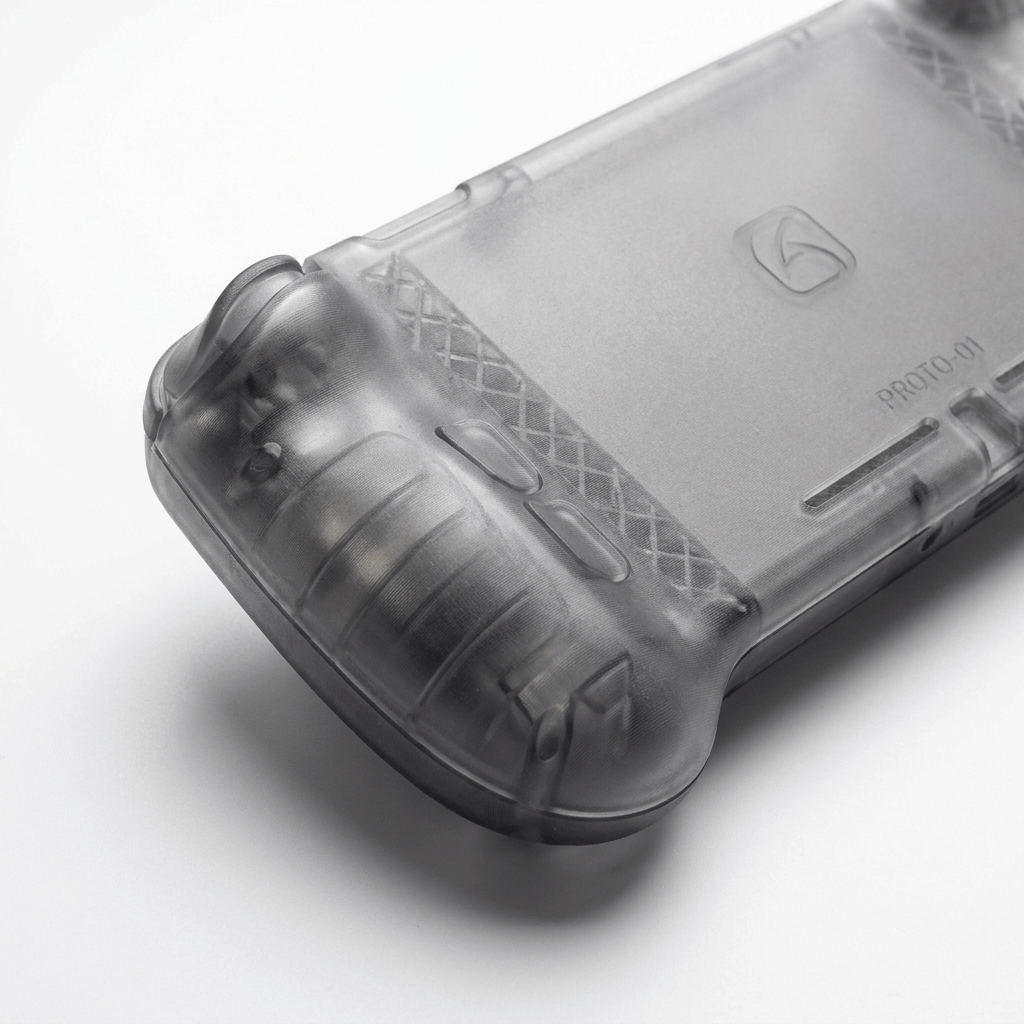
Concept Models
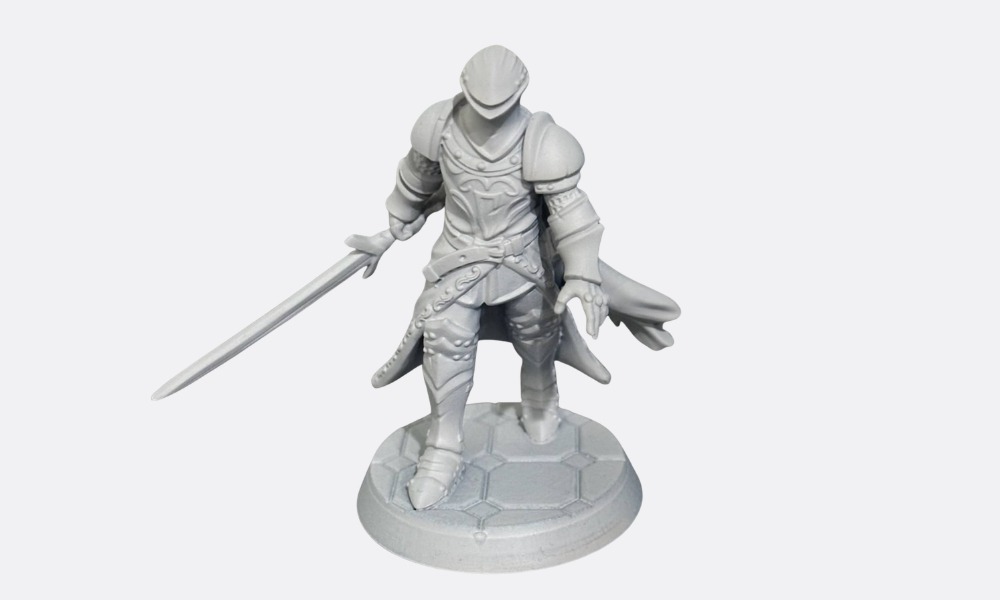
High-resolution visual prototypes with smooth surfaces for design reviews, stakeholder presentations, and ergonomic evaluation. SLA captures fine details that other polymer processes cannot reproduce.
Investment Casting Patterns
Castable resin patterns for lost-wax casting workflows. SLA patterns burn out cleanly with minimal ash residue, producing metal castings with accurate surface detail and dimensional conformance.
Functional Prototyping
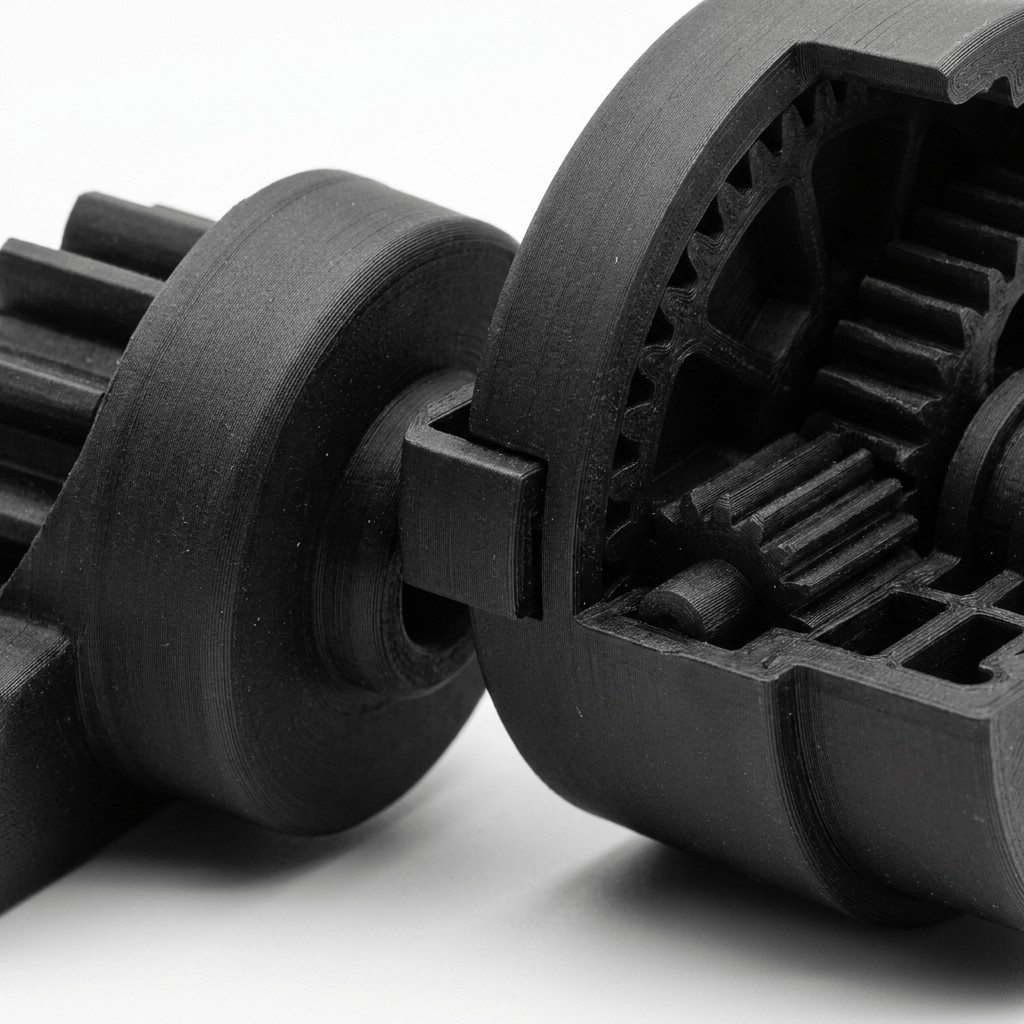
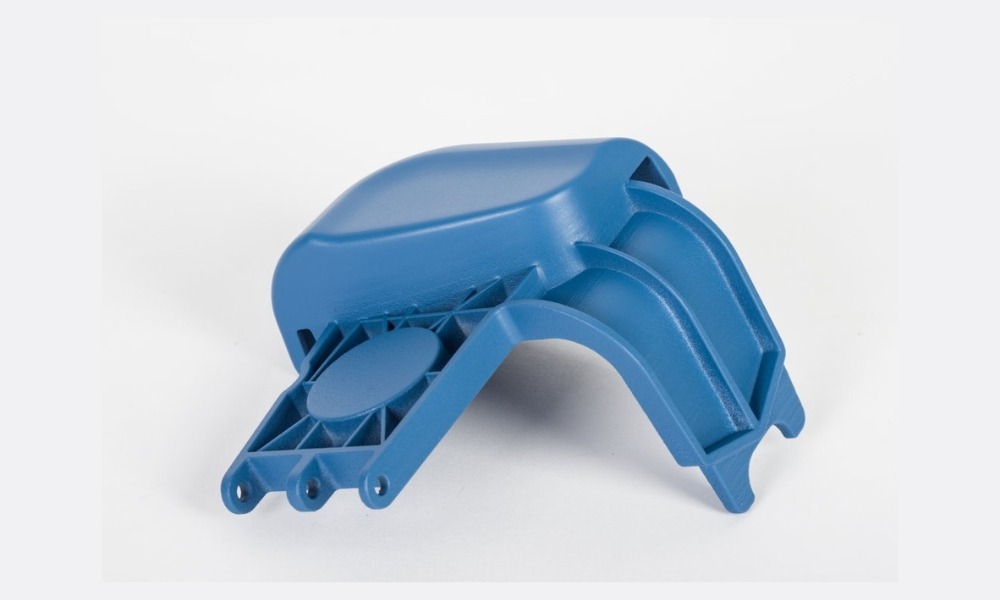
Engineering prototypes printed in tough or high-temperature resins for fit testing, snap-fit verification, and assembly checks. Tolerances of ±0.05 mm ensure dimensional fidelity to the production intent.
Low-Volume Production
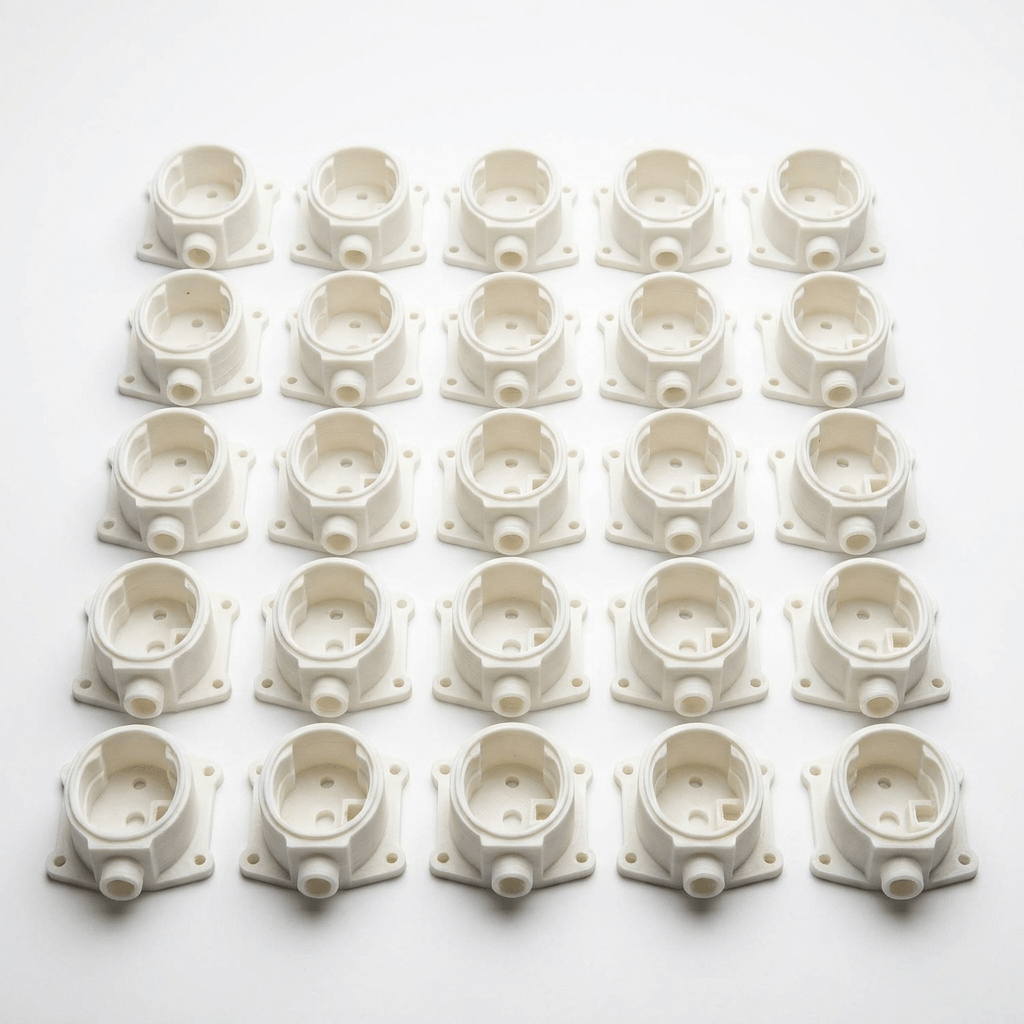
Short production runs of 10 to 500+ parts in engineering-grade resins. Each part maintains consistent mechanical properties and dimensional accuracy across the full production batch.

Our SLA 3D Printing Services

Why Choose Top Proto for SLA 3D Printing?

Industrial SLA Systems

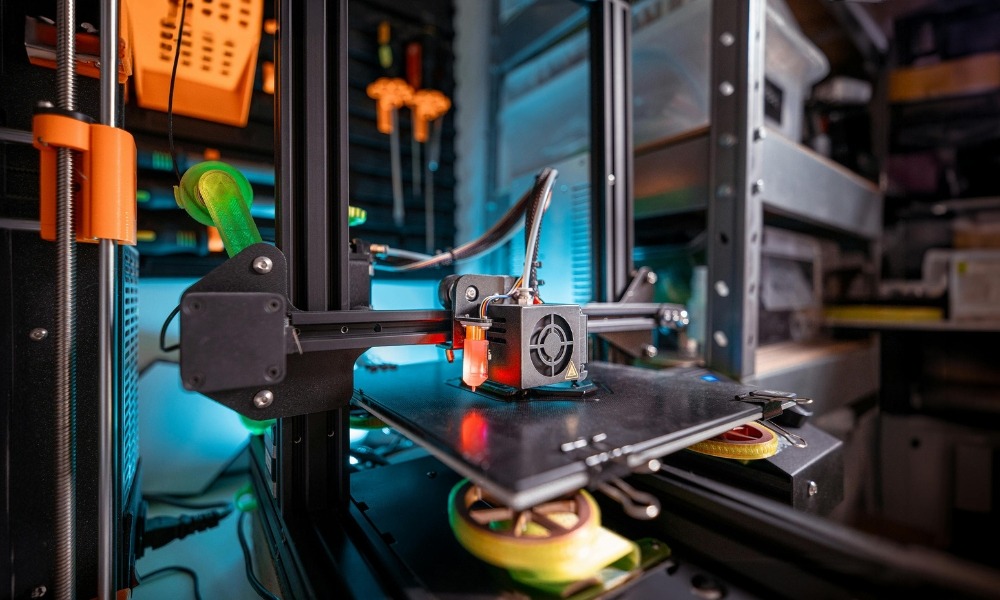
Our facility operates industrial-grade stereolithography machines with build volumes up to 600 × 600 × 400 mm. These systems deliver tolerances of ±0.05 mm with consistent accuracy across the full build envelope.

10+ Resin Options

We stock standard, tough, flexible, heat-resistant, clear, and castable resins. Each material is selected for specific mechanical or optical properties, giving engineers precise control over part performance.

Smooth Surface Finish

SLA produces the smoothest surfaces of any polymer 3D printing process. Parts come off the machine with surface roughness values suitable for visual prototypes, consumer product testing, and master patterns.

3-Day Standard Lead Time

Standard SLA orders ship within 3 business days. Expedited service is available for 1-day turnaround on qualifying geometries, supporting fast design iteration cycles.

SLA Capabilities

Parameter

Specification

Technology

Vat Photopolymerization (UV Laser)

Build Volume (Max)

600 × 600 × 400 mm

Layer Thickness

25 – 150 μm

Tolerance (Standard)

±0.05 mm or ±0.1% (whichever is greater)

Minimum Wall Thickness

0.5 mm (1.0 mm recommended)

Minimum Feature Size

0.2 mm

Surface Finish

Ra 1.2 – 3.2 μm (as-printed)

Post-Processing

UV curing, sanding, polishing, painting, plating, dyeing

File Formats

STL, STEP, IGES, OBJ, 3MF

SLA Part Gallery

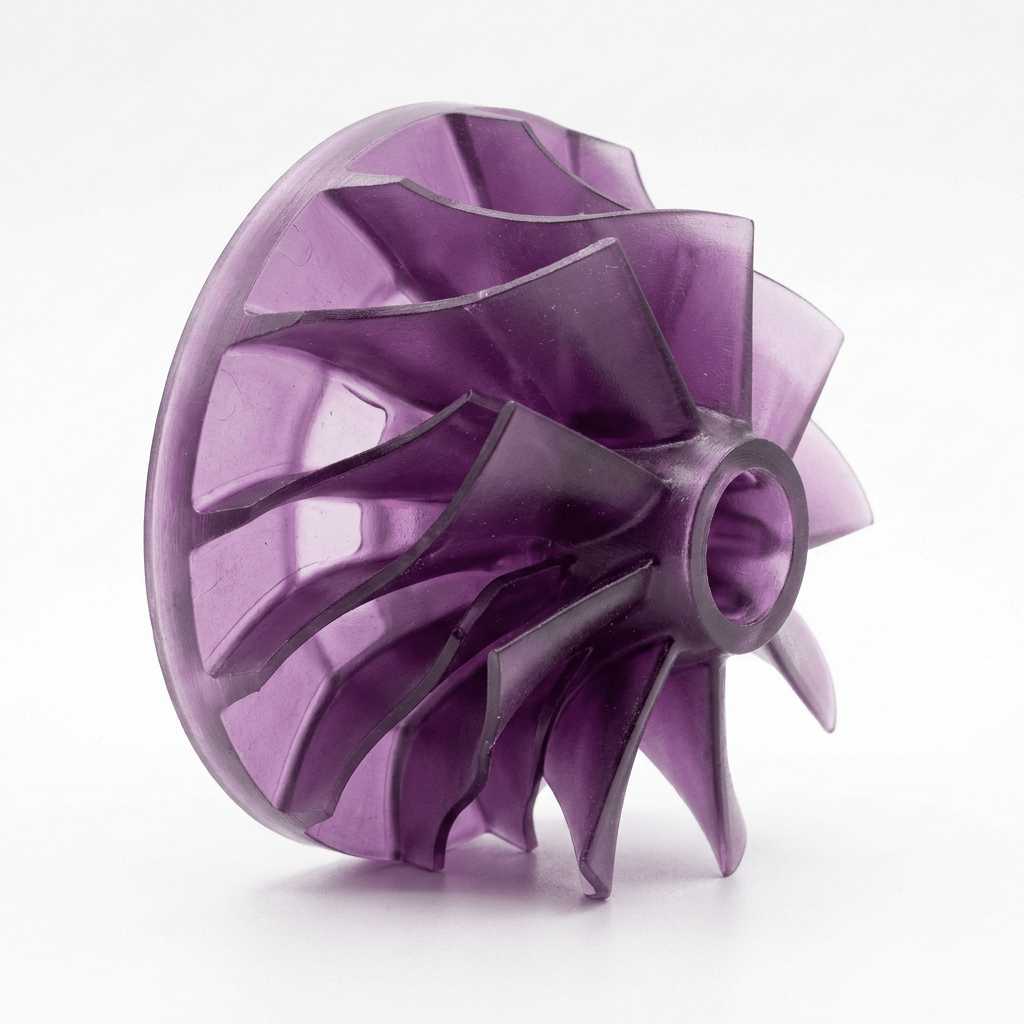
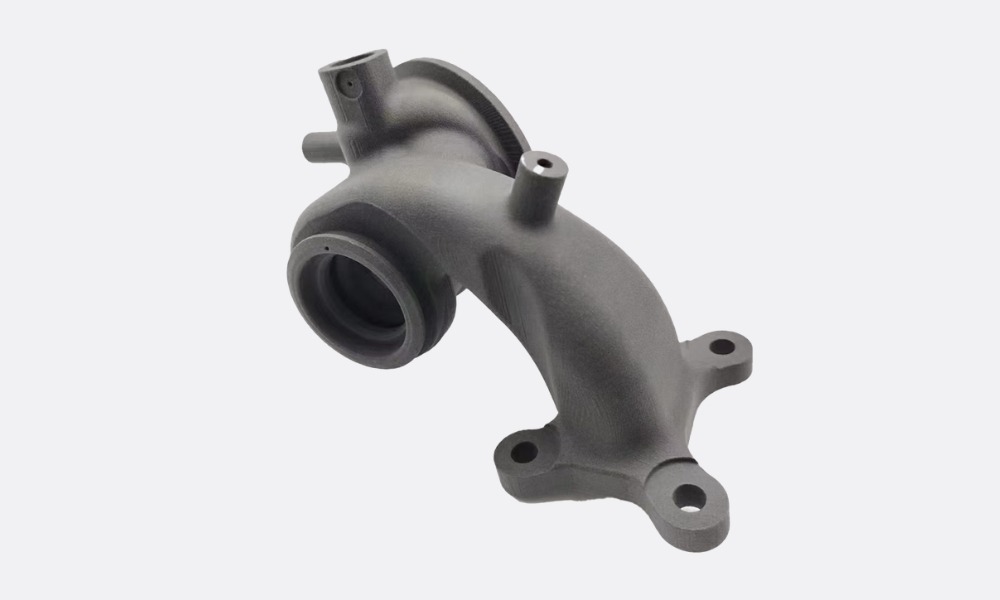
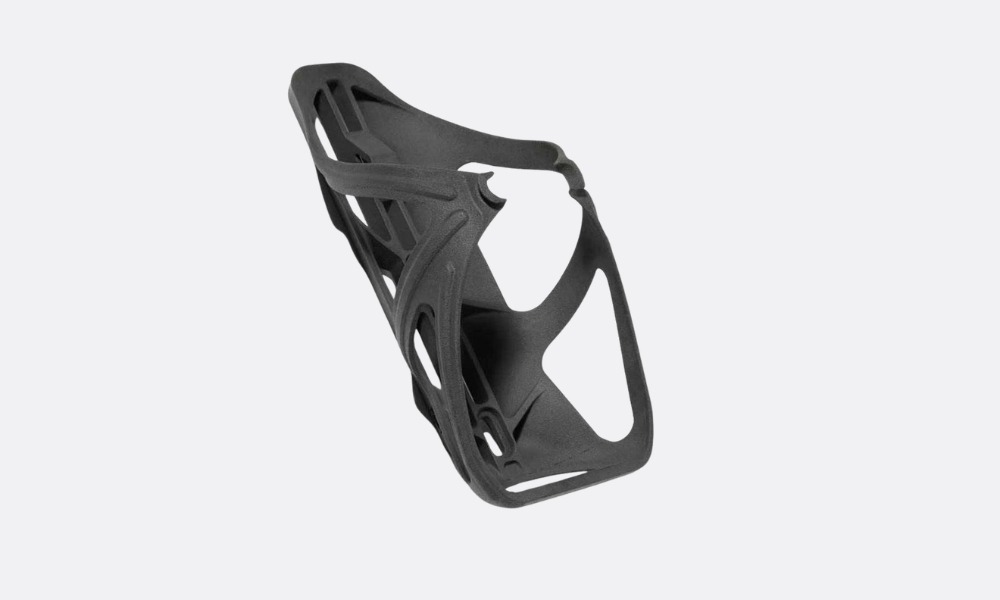
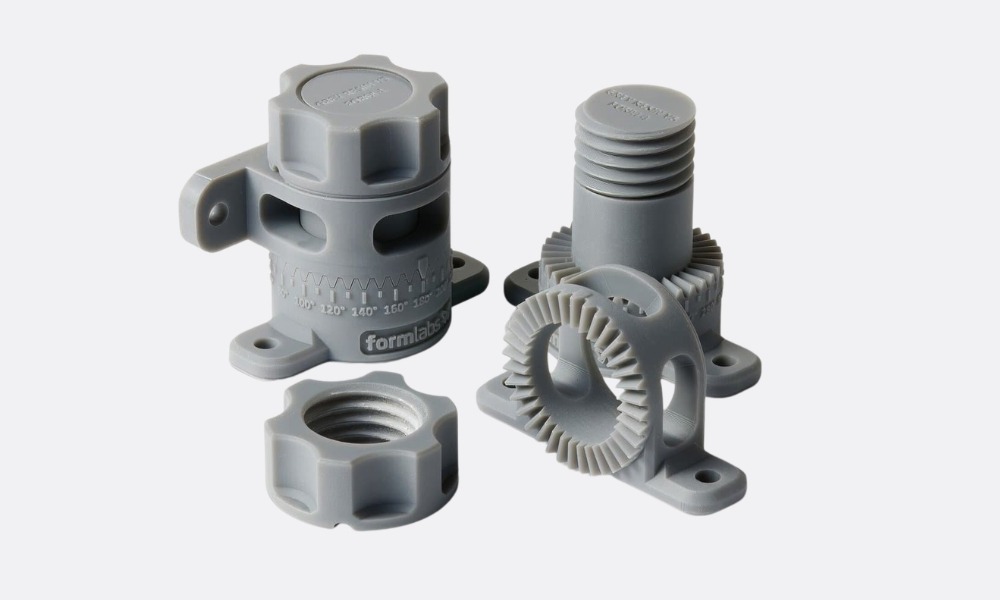
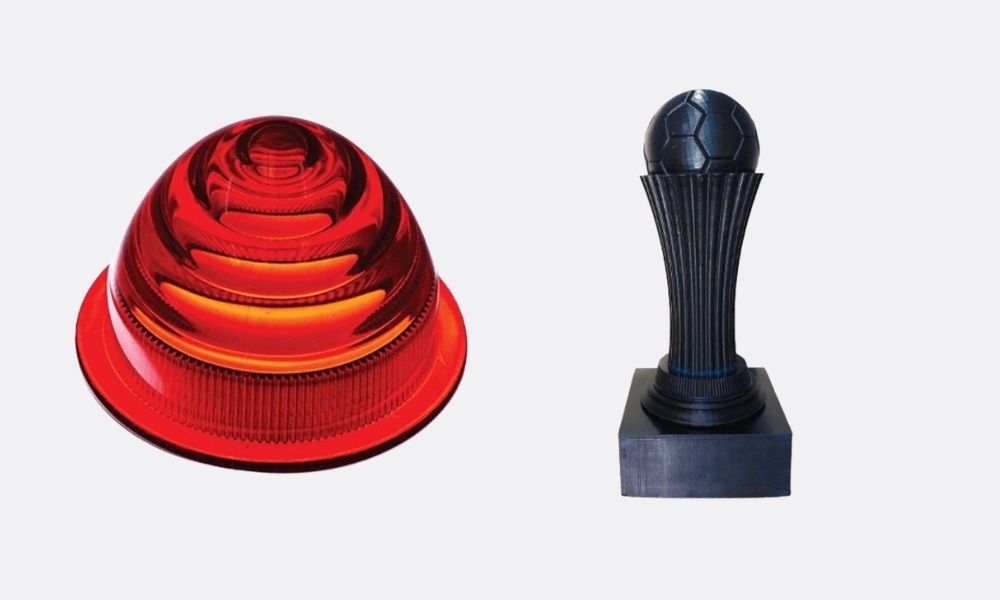
Our SLA portfolio includes transparent fluid manifolds for microfluidic testing, detailed architectural scale models with sub-millimeter features, investment casting masters for aerospace turbine blades, and consumer product enclosures with Class A surface quality. Each part demonstrates the dimensional precision and surface refinement that distinguish stereolithography from other additive processes.

SLA for Rapid Tooling

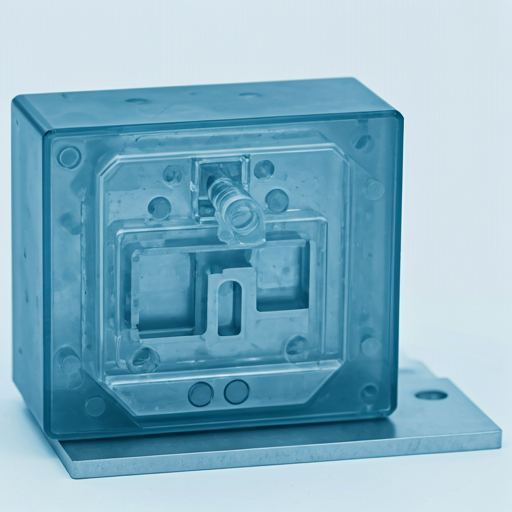
Stereolithography enables rapid creation of tooling masters, injection mold inserts, and thermoforming patterns. SLA patterns serve as accurate masters for silicone rubber mold tooling in vacuum casting workflows, reducing tooling lead times from weeks to days. High-temperature resins allow direct use as short-run injection mold inserts for up to 100 shots in commodity thermoplastics, bridging the gap between prototyping and steel tooling.

SLA for Production Verification

SLA prototypes serve as the final dimensional check before committing to production tooling. Because stereolithography achieves tolerances of ±0.05 mm, engineers use SLA parts to verify fit, clearance, and assembly sequence with confidence that dimensions reflect the CAD model. This verification step catches interference issues, tolerance stack-up problems, and ergonomic concerns before steel is cut for injection molds or die casting tools.

Frequently Asked Questions SLA 3D Printing

Industrial SLA systems at Top Proto achieve standard tolerances of ±0.05 mm or ±0.1% of the nominal dimension, whichever is greater. For critical features, tighter tolerances may be achievable after an initial test build and engineering review.
Our largest SLA build volume is 600 × 600 × 400 mm. Parts exceeding this envelope can be printed in sections and bonded with structural adhesive, maintaining dimensional alignment across the assembly.
SLA produces as-printed surface roughness of Ra 1.2–3.2 μm, comparable to fine-machined surfaces. After sanding and polishing, SLA parts achieve near-optical surface quality suitable for transparent and high-gloss applications.
Yes. Tough and engineering-grade resins provide mechanical properties comparable to ABS and polypropylene, making SLA parts suitable for snap-fit testing, assembly verification, and limited-duration functional validation.
We accept STL, STEP, IGES, OBJ, and 3MF files. STEP and IGES formats are preferred because they preserve native CAD geometry, allowing our engineers to verify tolerances and wall thicknesses before slicing.

CNC Manufacturing Resources

Technical guides and process comparisons from the Top Proto engineering team, covering material selection, process decision frameworks, and manufacturing design principles for engineers and product developers.