3D Printing Services for Custom Prototypes and Functional Parts

Top Proto delivers 3D printing services for engineering teams and product developers who need complex geometry parts, functional prototypes, and low-volume production components produced quickly from digital CAD files. We offer SLA, SLS, and MJF additive manufacturing processes, each suited to different geometry requirements, material properties, and surface finish specifications. From single design validation models to batches of functional nylon components, every 3D printed order is inspected dimensionally and delivered with documentation confirming the material used and dimensional results on critical features.

Get instant pricing, project lead times, and DFM feedback.

Accepted File Types: STEP, STP, SLDPRT, STL, DXF, X_T, X_B, IPT, CATPART, PRT, SAT, 3MF, JT

What is 3D Printing?

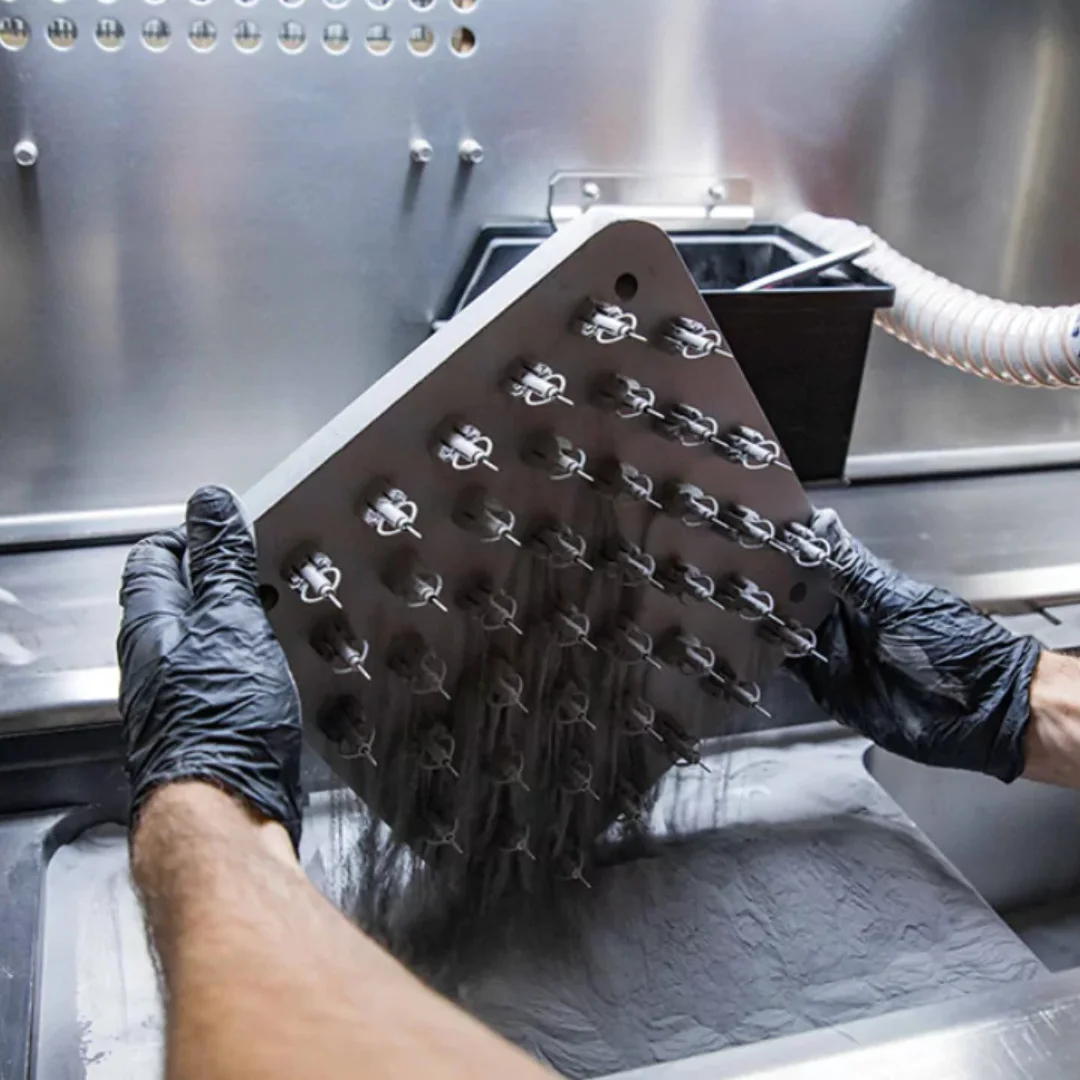
3D printing — also called additive manufacturing — is a process that builds physical parts layer by layer from a digital CAD model. Unlike subtractive processes such as CNC machining, which remove material from solid stock, additive manufacturing deposits or cures material only where the part geometry requires it. This makes 3D printing particularly suited to parts with complex internal geometry, thin walls, organic shapes, and features that conventional cutting tools cannot access.

At Top Proto, we operate three industrial additive manufacturing processes: Stereolithography (SLA), Selective Laser Sintering (SLS), and Multi Jet Fusion (MJF). Each process uses different materials and produces different mechanical properties and surface qualities, giving our engineering team the flexibility to recommend the most appropriate technology for your specific application based on your geometric requirements, functional testing objectives, and quantity.

Our 3D Printing Services

SLA (Stereolithography)

UV-curable resin printing producing parts with the smoothest surface finish and highest dimensional accuracy of our 3D printing processes. Best suited for visual models, master patterns for vacuum casting, clear components, and fine-detail prototypes where surface quality is a priority.

SLS (Selective Laser Sintering)

Laser sintering of Nylon PA12 powder producing functional parts with good mechanical properties and no support structure requirements. Suited for complex internal geometry, living hinges, snap-fit components, and functional prototypes requiring real engineering thermoplastic performance.

MJF (Multi Jet Fusion)

HP Multi Jet Fusion technology producing Nylon parts with more uniform mechanical properties and better surface finish than SLS. Fine feature resolution and consistent density throughout the part make MJF the preferred process for functional prototype testing and low-volume production of Nylon components.

Post-Processing and Finishing

Sanding, priming, painting, and dyeing applied to 3D printed parts after printing to improve surface finish, add color, and meet cosmetic appearance requirements. SLA masters for vacuum casting are finished to the required surface quality before mold pouring.

Why Choose Top Proto for 3D Printing Services?

Top Proto integrates 3D printing with our CNC machining, injection molding, and surface finishing operations within a single facility in Shenzhen, China. This means a development program requiring 3D printed concept models, machined metal structural components, and injection molded plastic covers can be managed through a single supplier without coordinating files between separate service providers.

Our 3D printing systems are maintained and calibrated to ensure dimensional consistency across the build envelope. Every 3D printed order includes a dimensional check on critical features specified in your drawing. For programs transitioning from 3D printed prototypes to injection molded production parts, our engineering team manages the process transition within the same facility, maintaining design continuity from prototype to production without re-qualification.

Our 3D Printing Gallery Parts

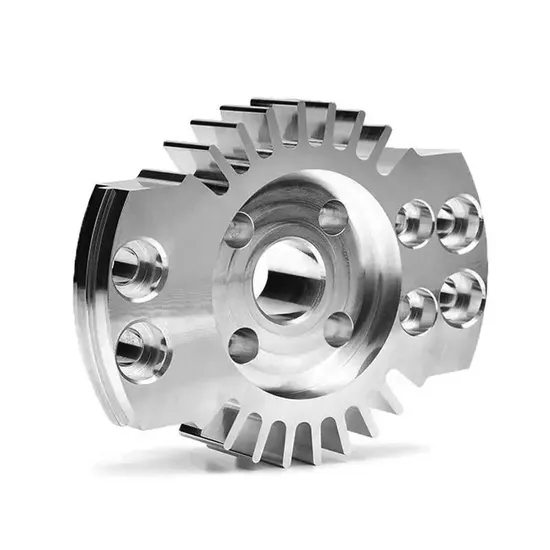
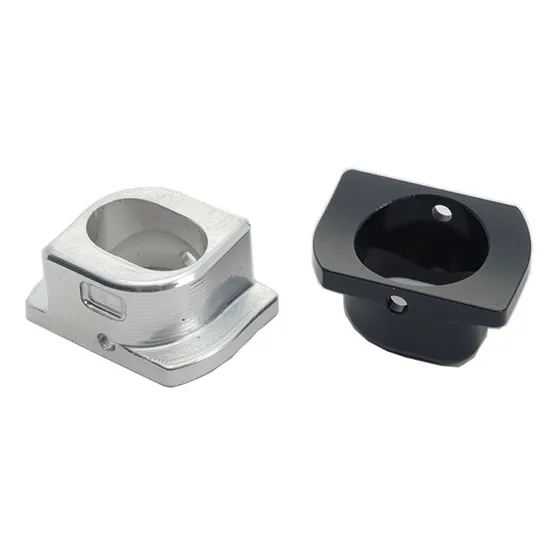
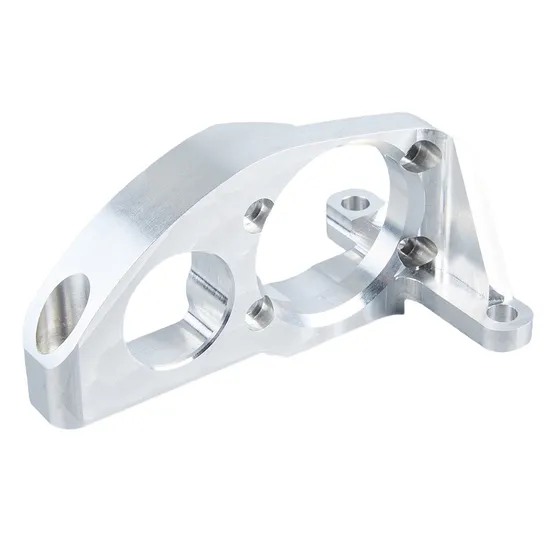
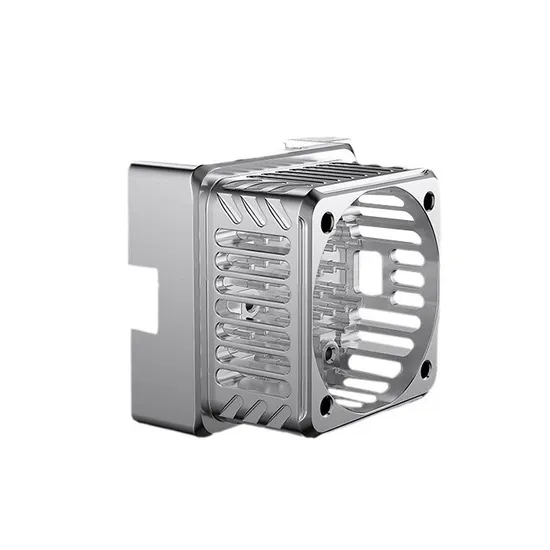
The parts shown here were produced at Top Proto using our SLA, SLS, and MJF 3D printing systems across a range of materials, industries, and applications. Each part was produced from customer-supplied CAD files, inspected dimensionally, and delivered with documentation confirming the material used and dimensional results on critical features. The gallery reflects our 3D printing capability across concept models, functional prototypes, vacuum casting masters, and end-use polymer components.
As Printed — SLA
Smooth surface condition produced directly from the SLA resin cure process. Fine layer lines may be visible on curved surfaces at oblique angles. Suitable for concept models and master patterns where additional finishing will follow.
As Printed — SLS / MJF
Grainy surface texture characteristic of powder-bed fusion processes. Surface roughness Ra 8 to 15 on SLS parts; Ra 4 to 8 on MJF parts. Suitable for functional prototype testing where surface appearance is secondary to mechanical performance.
Sanding and Smoothing
Progressive sanding through increasing grit grades reduces surface roughness on SLA and MJF parts. Produces a smooth surface suitable for primer application, painting, or cosmetic evaluation.
Priming and Painting
Primer coat applied after sanding to seal the part surface and provide a uniform base for topcoat paint. Topcoat applied in specified RAL or Pantone color. Used for consumer product appearance evaluation, design review, and marketing photography.
Dyeing (SLS / MJF)
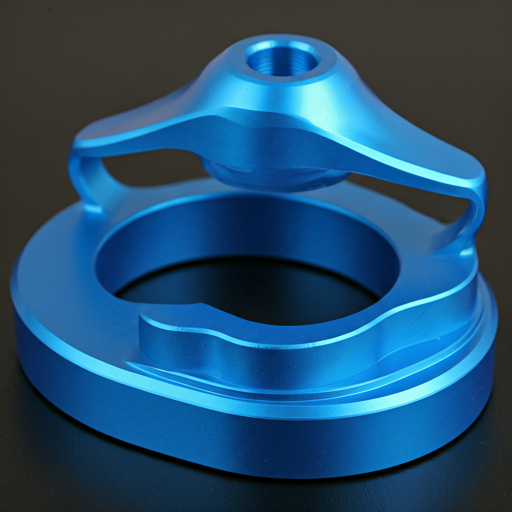
SLS and MJF Nylon parts can be dyed in standard or custom colors by submerging in heated dye solution. The dye penetrates the surface layer to produce a consistent color without adding dimensional thickness. Standard colors include black, grey, blue, red, and green.
Vapor Smoothing
Chemical vapor treatment that melts and re-flows the outermost surface layer of SLS and MJF Nylon parts, significantly reducing surface roughness from Ra 8 to Ra 1.5 or below. Produces a smooth, slightly glossy surface on functional Nylon parts without changing part dimensions significantly.
Clear Coating
UV-resistant clear coat applied to SLA parts to improve surface hardness, reduce tackiness, and protect the surface from yellowing under UV exposure. Extends the usable life of display models and marketing samples.
Support Mark Removal
Manual finishing of support contact points on SLA parts to remove witness marks and achieve a smooth surface condition on all faces. Applied as standard when surface quality on all faces is specified.

3D Printing Surface Finishes

3D printed parts can be post-processed to improve surface finish, remove layer lines, add color, or prepare surfaces for downstream assembly or bonding. Top Proto applies the following post-processing treatments to 3D printed parts.

Materials for 3D Printing Services

Material selection for 3D printing is determined by the functional requirements of the application, the required surface finish, and the dimensional accuracy needed. Top Proto offers the following materials across our SLA, SLS, and MJF systems.

Material

Process

Key Properties

Best Used For

Standard Resin

SLA

Smooth surface, high detail, brittle under impact

Visual prototypes, master patterns for vacuum casting, display models

Tough Resin

SLA

ABS-like toughness, good detail resolution

Functional prototypes, snap-fit parts, low-load mechanical components

Clear Resin

SLA

Optical clarity after sanding and polishing

Transparent covers, fluid flow visualization, lens prototype housings

High-Temp Resin

SLA

Heat deflection temperature up to 238 degrees C

Jigs and fixtures, parts near heat sources, under-hood automotive prototypes

Dental / Medical Resin

SLA

Biocompatible, suitable for skin contact

Medical device prototypes, dental models, surgical guide prototypes

Nylon PA12

SLS

Good mechanical properties, flexible, chemical resistance

Functional prototypes, ducts, complex internal channel geometry, end-use parts

Nylon PA12-GF

SLS

Glass-filled for higher stiffness than standard PA12

Structural functional parts, brackets, stiff mechanical components

Nylon PA12 (MJF)

MJF

Uniform density, consistent mechanical properties, fine detail

Functional prototypes, low-volume end-use parts, complex assemblies

PA11 (MJF)

MJF

Flexible, impact resistant, bio-based nylon

Living hinges, snap-fits, flexible functional components

PA12 + CB (MJF)

MJF

Carbon black pigment for uniform black appearance and UV resistance

End-use consumer and industrial parts requiring UV-stable black finish


3D Printing Capabilities

Feature

Specification

SLA Build Volume

Up to 500 x 500 x 500mm depending on machine configuration

SLA Layer Thickness

0.05mm to 0.1mm — produces the smoothest surface finish of all 3D printing processes

SLA Dimensional Accuracy

+/-0.1mm on standard features; accuracy reviewed for large parts spanning the full build volume

SLS Build Volume

Up to 380 x 330 x 460mm

SLS Layer Thickness

0.1mm standard

SLS Dimensional Accuracy

+/-0.3mm on standard features for Nylon PA12

MJF Build Volume

Up to 380 x 284 x 380mm

MJF Layer Thickness

0.08mm — finer than SLS, with more uniform mechanical properties

MJF Dimensional Accuracy

+/-0.2mm on standard features for PA12

Minimum Feature Size

0.5mm for SLA; 1.0mm for SLS and MJF

Lead Time

SLA and MJF: 1 to 3 business days; SLS: 3 to 5 business days

Minimum Order Quantity

1 part — no minimum order quantity for any 3D printing process


Industry Expertise at Top Proto

Top Proto applies 3D printing across a range of industries with different requirements for geometry complexity, material performance, and surface quality. In aerospace and automotive programs, 3D printing produces design validation models and tooling aids quickly without the lead time of machined alternatives. In medical device programs, SLA printing produces high-accuracy masters for vacuum cast prototype housings and surgical guide prototypes. In consumer electronics and consumer products, MJF produces functional nylon enclosures and mechanism components for engineering validation. In robotics, SLS and MJF produce lightweight structural components and cable management housings with complex internal geometry that machining cannot achieve cost-effectively.

Rapid Tooling

3D printing does not require dedicated tooling. Parts are printed directly from your STL or STEP file using the build parameters appropriate for your material and geometry. Lead times start from 1 business day for SLA and MJF prints, making 3D printing the fastest process available for physical prototypes from CAD. Design changes are implemented by modifying the CAD file — no tooling modification cost and no lead time for tooling revision. For programs transitioning from 3D printing to vacuum casting, SLA masters are used as patterns for silicone mold production. Our 3D printing and vacuum casting operations are managed within the same facility, so the master-to-mold transition happens without shipping your master between suppliers.

Production Tooling

For programs where 3D printing is used for end-use low-volume production rather than prototyping, Top Proto optimizes build layouts to maximize the number of parts per build cycle and reduce per-unit cost. For programs transitioning from 3D printed parts to injection molded production at higher volumes, our tooling team designs injection mold tooling from the same CAD data used for 3D printing, maintaining design continuity from additive prototype to injection molded production without re-designing the part for the new process.

Made in China. Precision You Can Rely On.

Top Proto operates from Shenzhen, Guangdong, China — the global hub for precision manufacturing, advanced component supply chains, and technology production. Our facility houses over 300 CNC machining centers, injection molding presses, sheet metal fabrication lines, and 3D printing systems operating under a unified ISO 9001:2015, ISO 13485, IATF 16949:2016, and AS9100D certified quality management system. Skilled technicians and meticulous in-process inspection at every production stage ensure that custom metal and plastic parts are delivered to specification — with the dimensional inspection reports to prove it.
300+

Machines Running at Peak Efficiency

0.005mm

Ultra-Fine Tolerances Achievable

24 Hrs

Lead Times Starting From

50+

Engineering Materials Available

Choose Us for Flexible Pricing and Quick Delivery

At TOP PROTO, we know price and timeline go hand in hand. Our CNC machining services can work around your budget and deliver on your deadline. Get a quote instantly and select the service to meet your requirements.

  • Competitive pricing with quality always remains.
  • Fast lead time to complete the project quickly.

What Makes Top Proto Different from Others

Instant Smart Quoting
Get quick pricing and DFM insights to optimize designs and reduce costs.
Global Supply Network
Access our global manufacturing network for reliable solutions of all sizes.
Certified Quality Control
Strict inspection protocols for every part. We ensure 100% accuracy and high standards.
Fast Reliable Delivery
Punctual shipping for all custom orders. Your projects always stay on schedule.

How We Works – 3-Stages Workflow

We guarantee that CNC parts are delivered on time and that the process is completely transparent in the following 3 simple steps:

Upload Your Files

Instant prices with DFM feedback for many file types.

We Manufacture Your Parts

You can select from many materials and methods.

Tracking and Receiving Your Parts

View the QC documentation and inspection photographs.

Frequently Asked Questions

SLA (Stereolithography) cures liquid photopolymer resin with a UV laser, producing the smoothest surface finish and highest detail resolution. It is best for visual models and vacuum casting masters. SLS (Selective Laser Sintering) sinters Nylon powder with a laser, producing functional parts with good mechanical properties and no support structure limitations. MJF (Multi Jet Fusion) uses HP’s process to fuse Nylon powder with fusing and detailing agents, producing parts with more uniform density and better surface finish than SLS. MJF is the preferred process for functional Nylon prototype and low-volume production parts.

SLA and MJF parts are typically ready in 1 to 3 business days. SLS parts take 3 to 5 business days due to the longer build and cool-down cycle. Post-processing operations including sanding, painting, and dyeing add lead time depending on the finish specified. These lead times cover production only — shipping time to your location is additional.

 Maximum build volumes vary by process: SLA up to 500 x 500 x 500mm, SLS up to 380 x 330 x 460mm, and MJF up to 380 x 284 x 380mm. Parts larger than these build volumes can be printed in sections and bonded or mechanically joined. Contact our team if your part exceeds standard build volume dimensions.

Strength depends on the material and process selected. SLS and MJF Nylon PA12 parts have tensile strength of approximately 45 to 50 MPa and are suitable for functional mechanical testing of snap fits, living hinges, and moderate structural loads. SLA resins vary from brittle standard resins to tougher ABS-like formulations. For load-bearing structural testing requiring production-equivalent material properties, CNC machined parts from the actual production alloy or polymer are more appropriate.

Yes. Top Proto sands, primes, and paints SLA and MJF parts to production-level cosmetic appearance for design review, photography, and trade show presentations. For consumer product programs, our finishing team color-matches to your RAL or Pantone specification and applies gloss, semi-gloss, or matte topcoat finishes. Vapor-smoothed MJF parts provide the most production-like surface as a base for painting.

CNC Manufacturing Resources

Technical guides and process comparisons from the Top Proto engineering team, covering material selection, process decision frameworks, and manufacturing design principles for engineers and product developers.